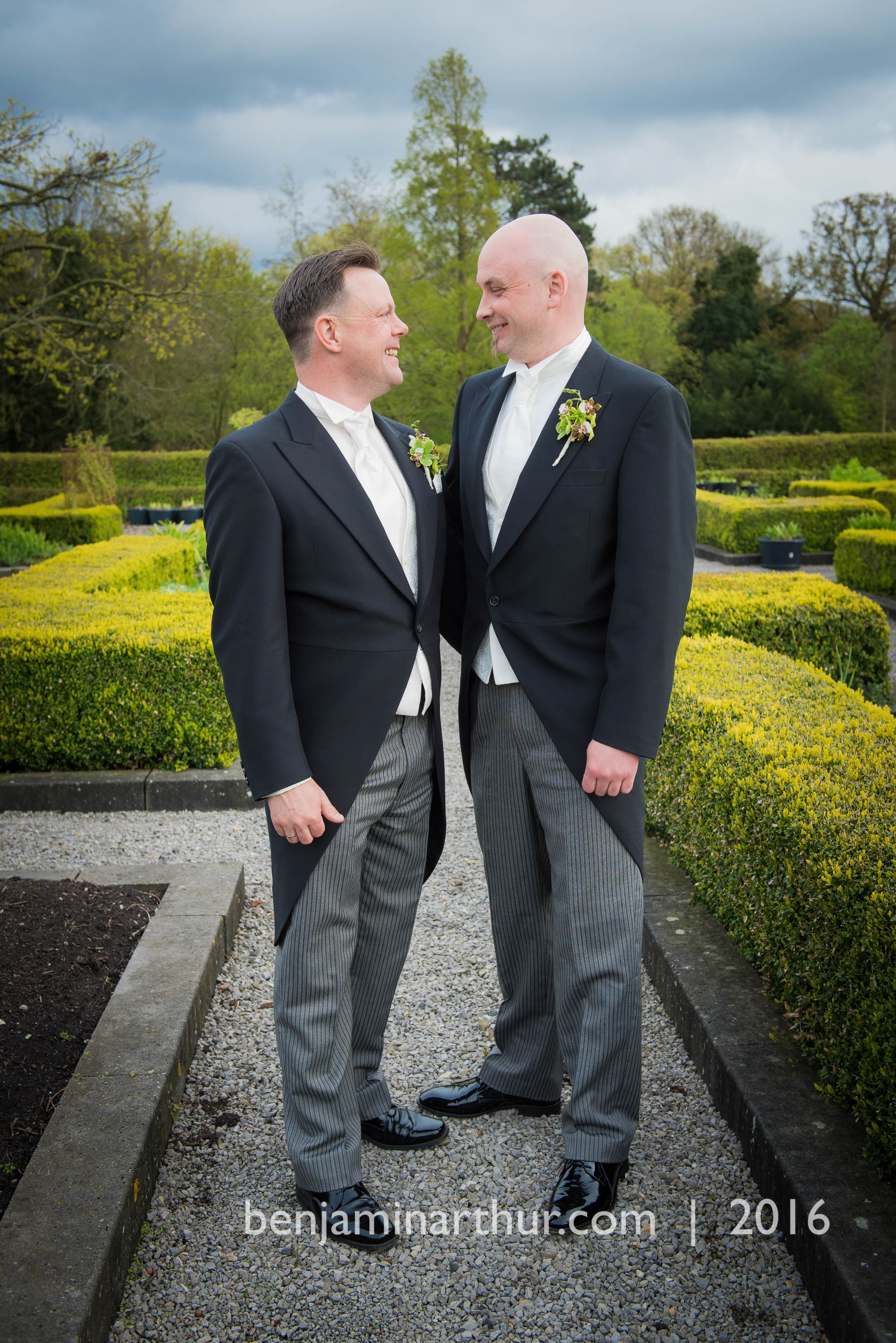
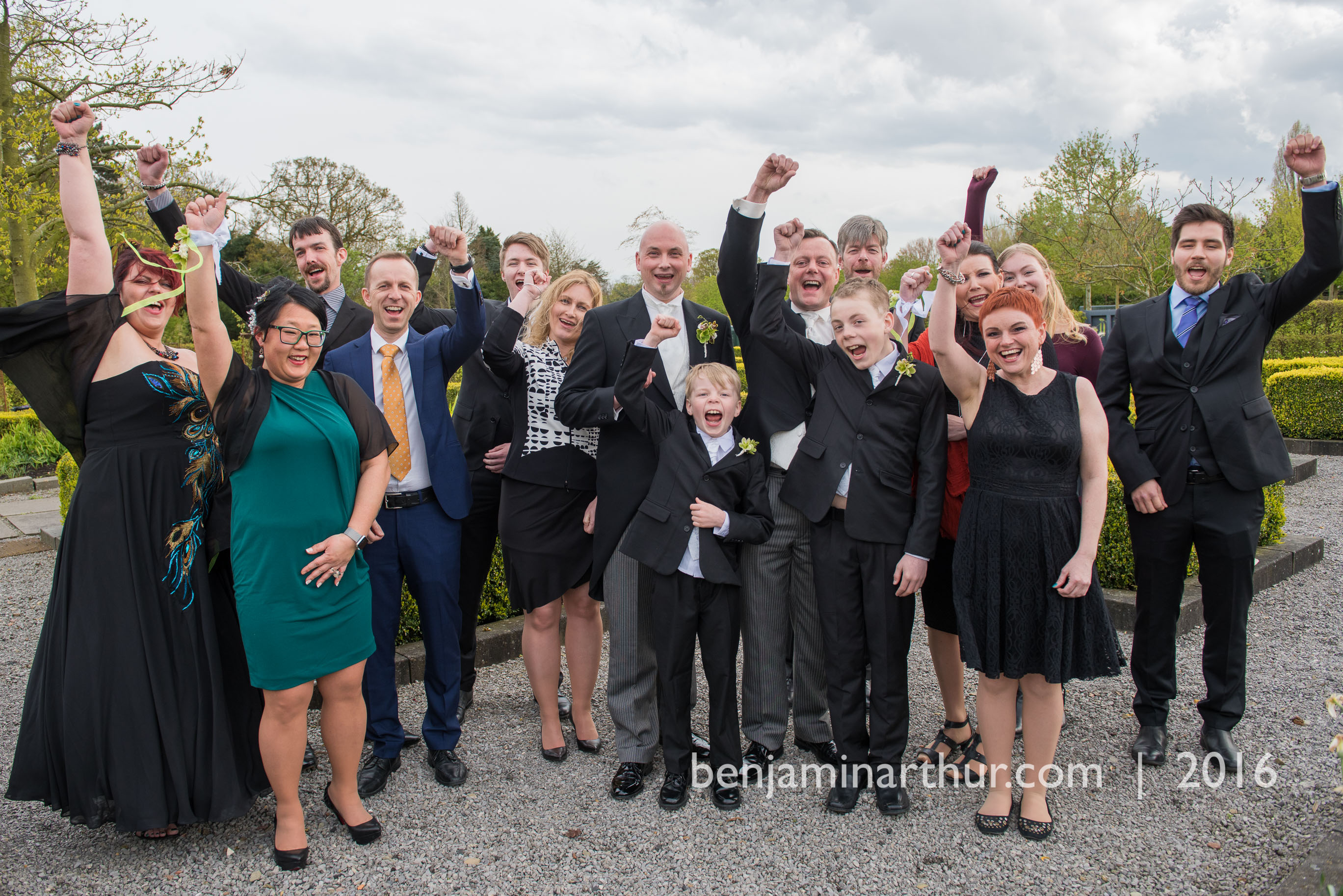
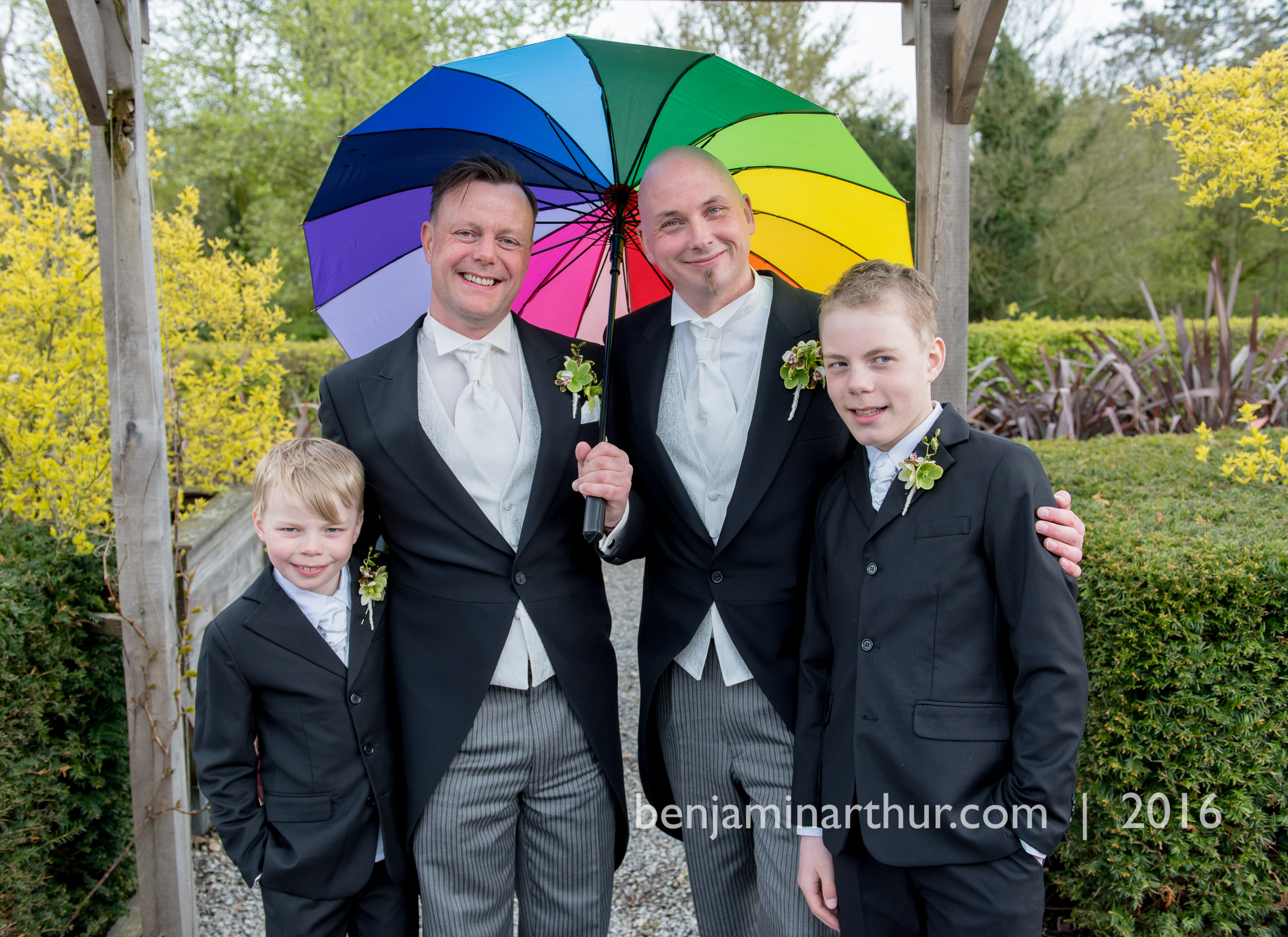
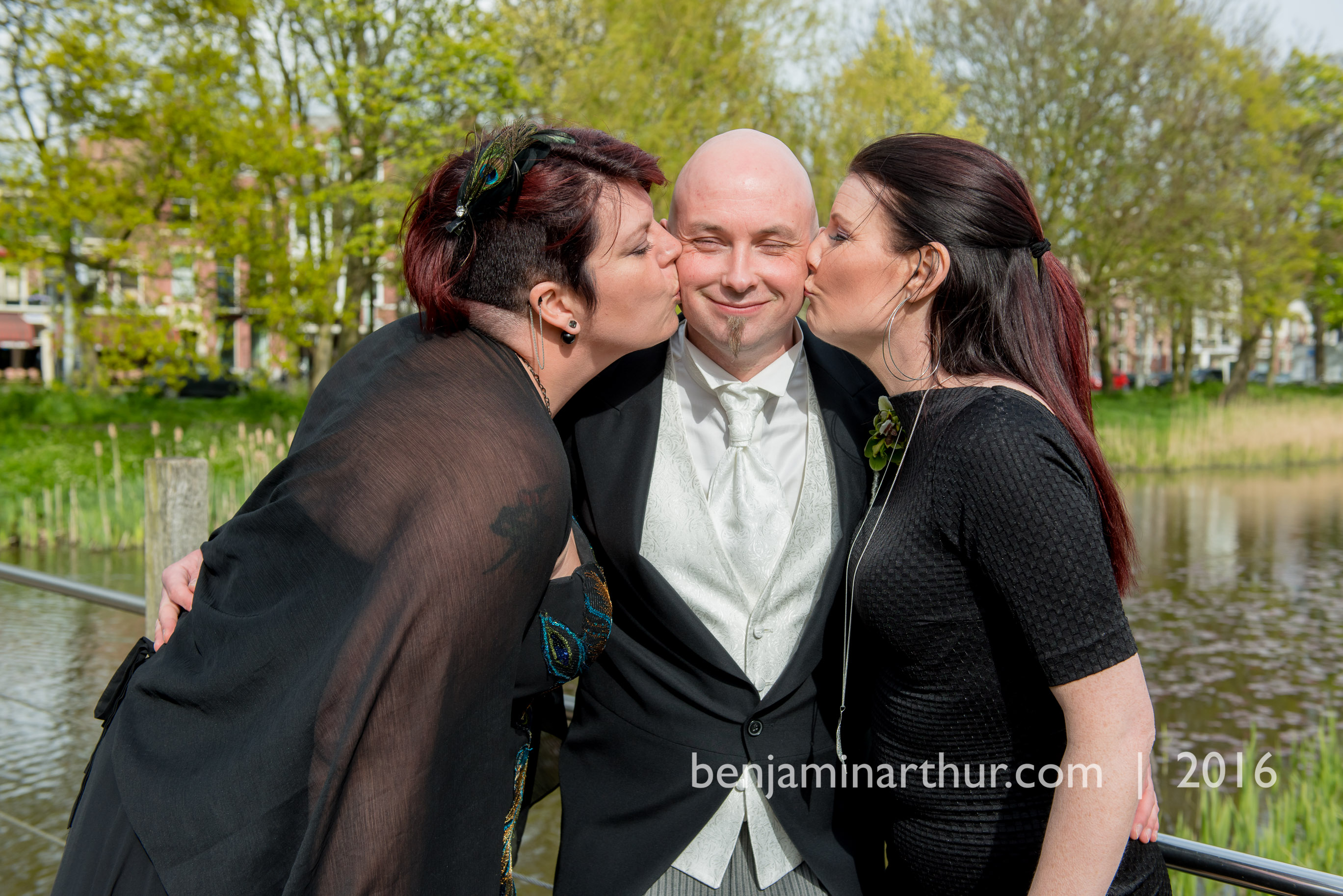
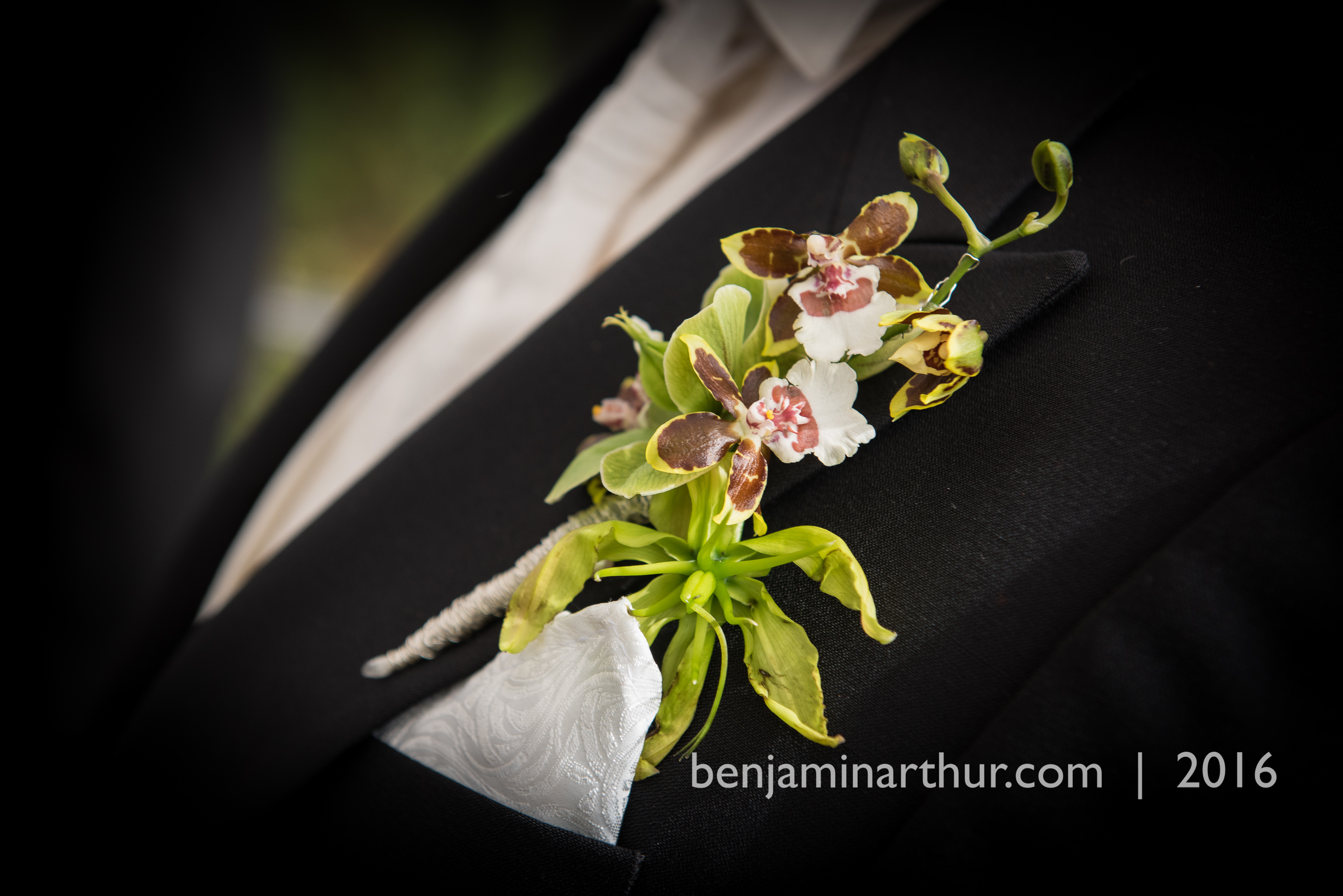
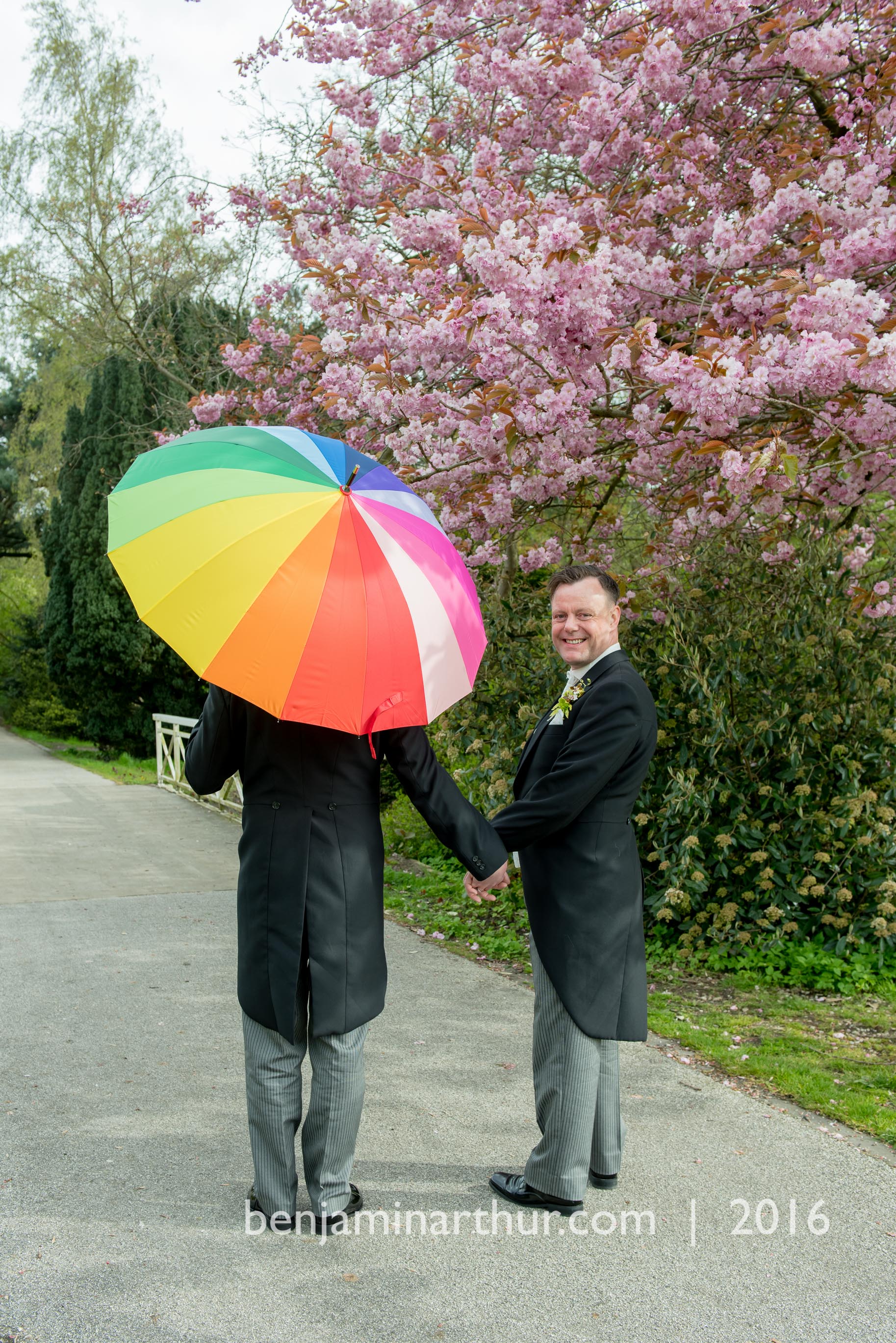
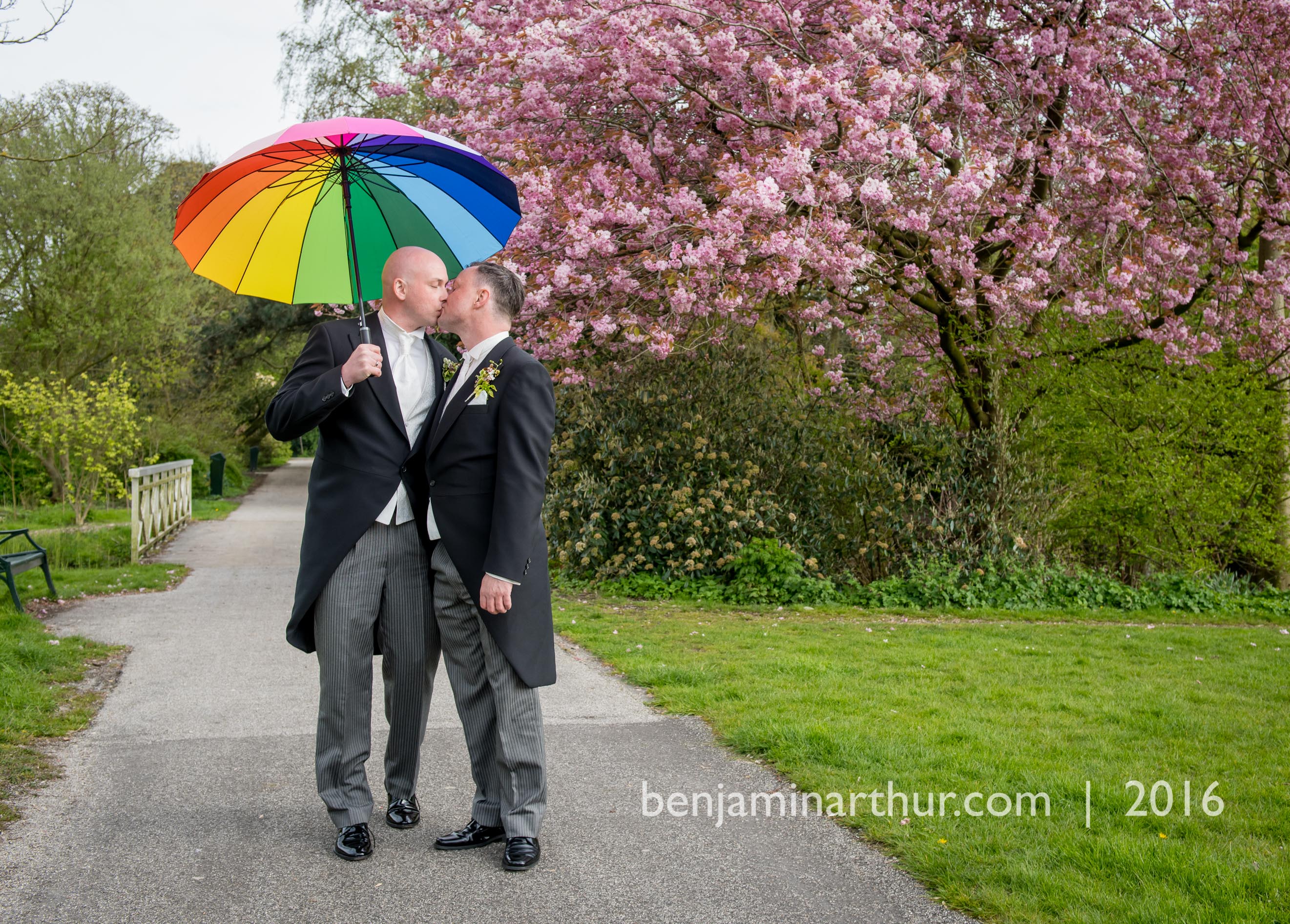
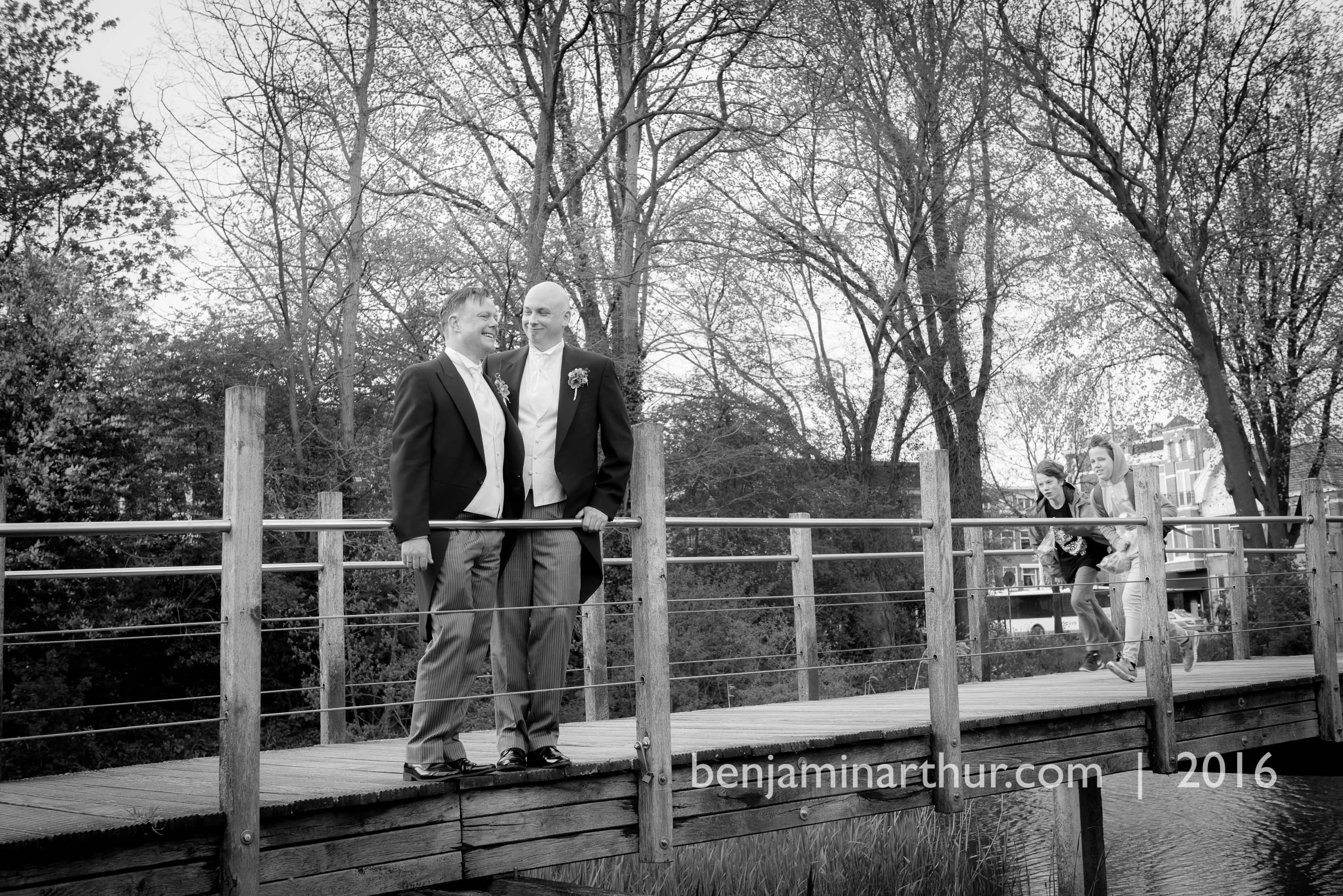
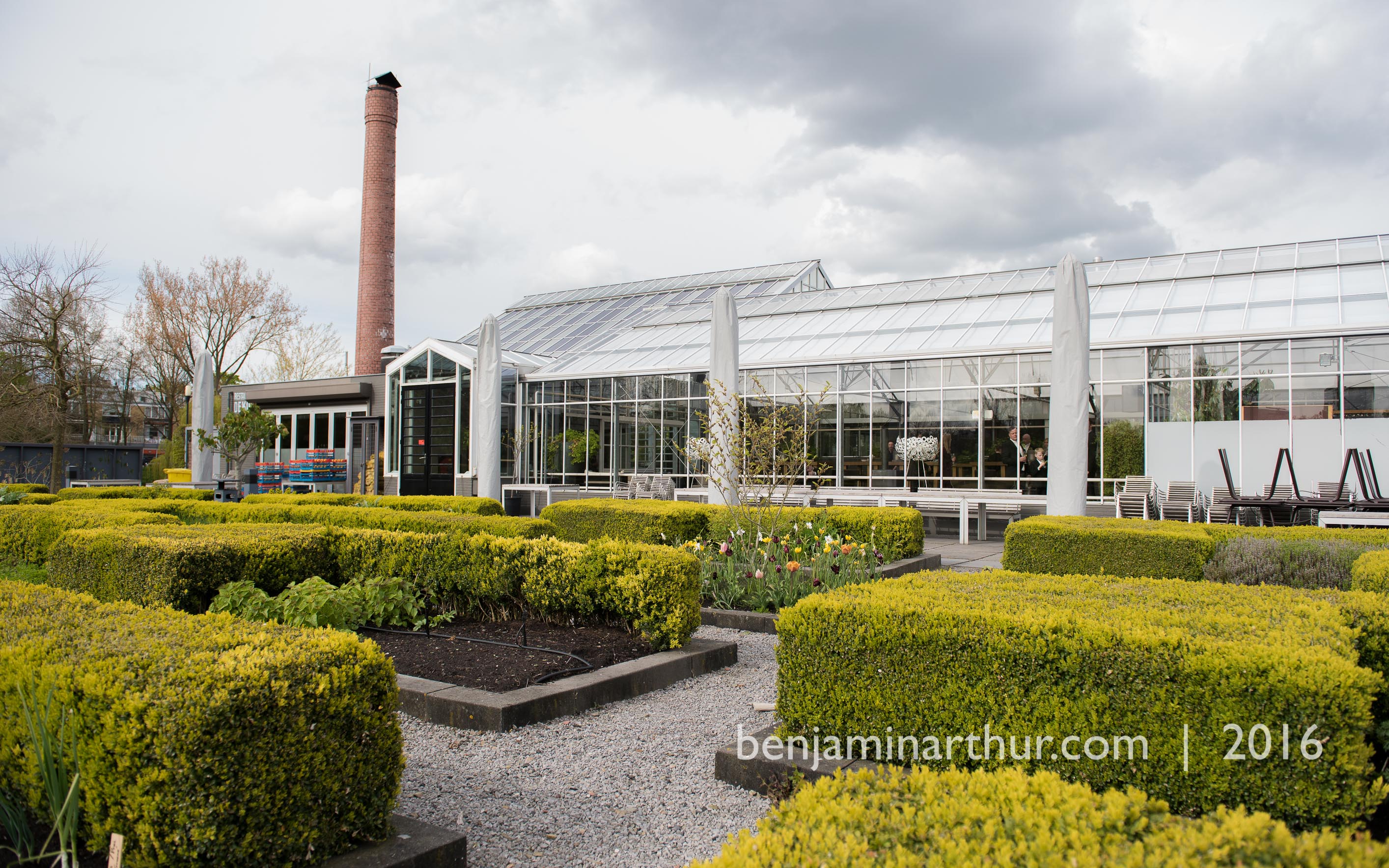
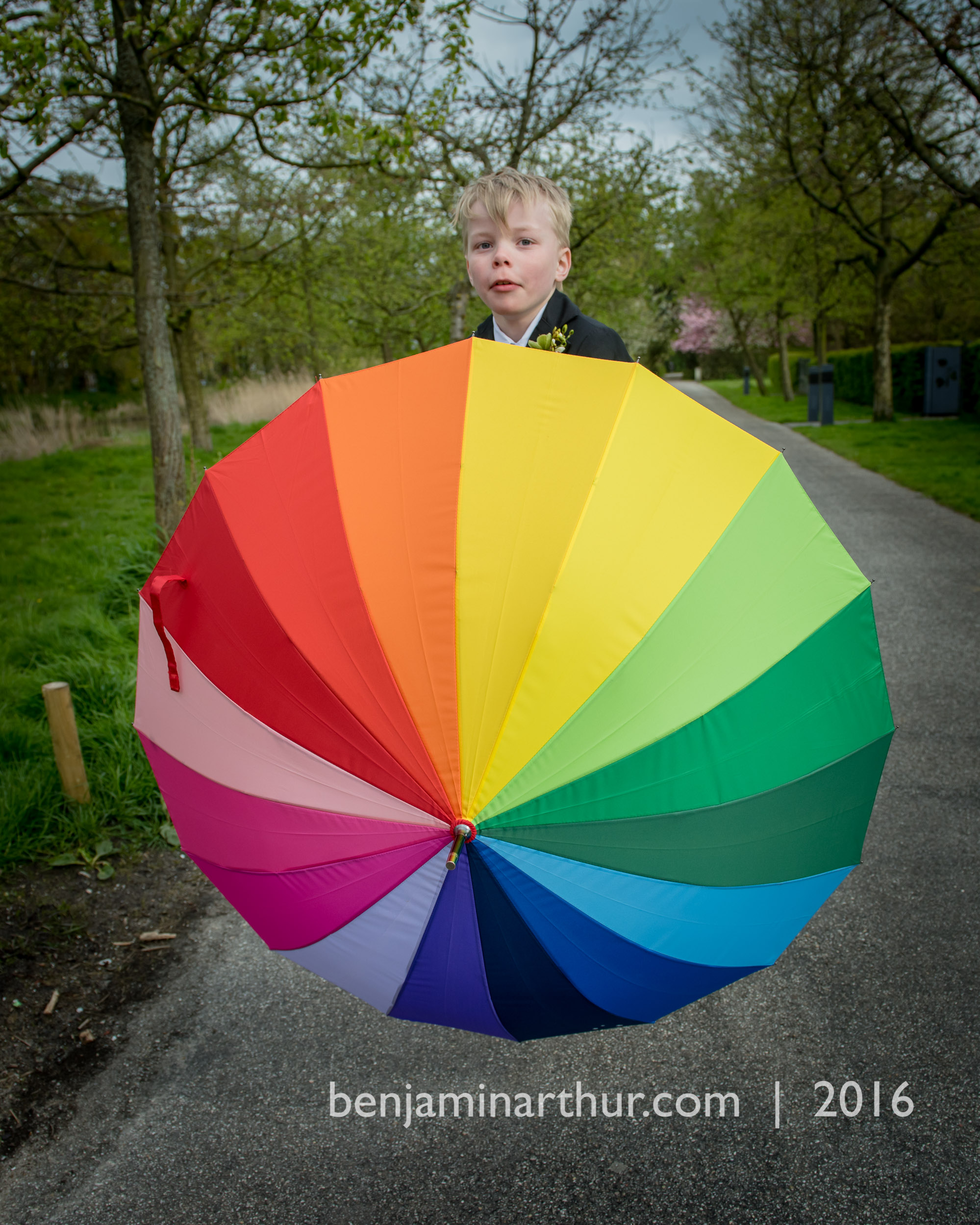
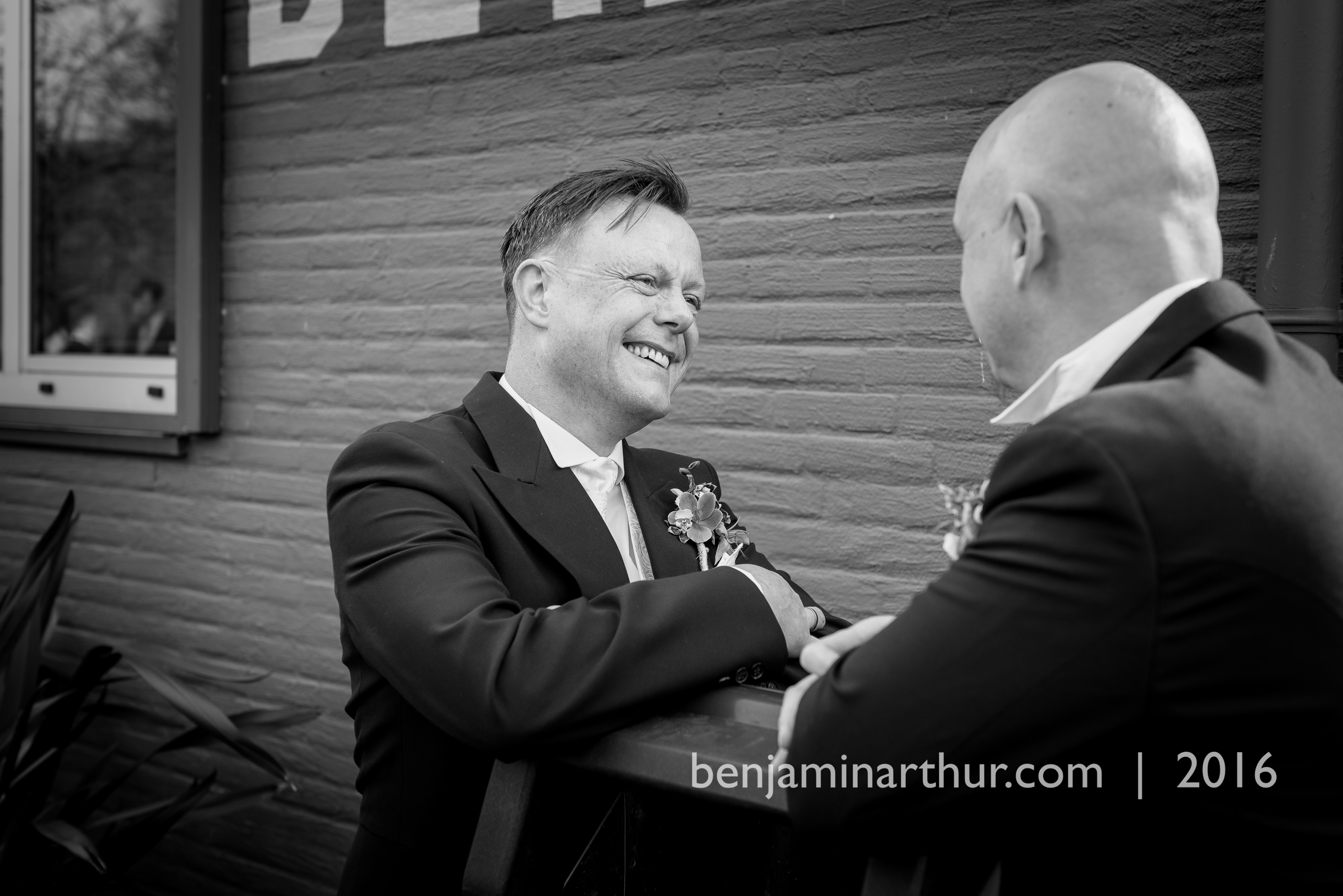
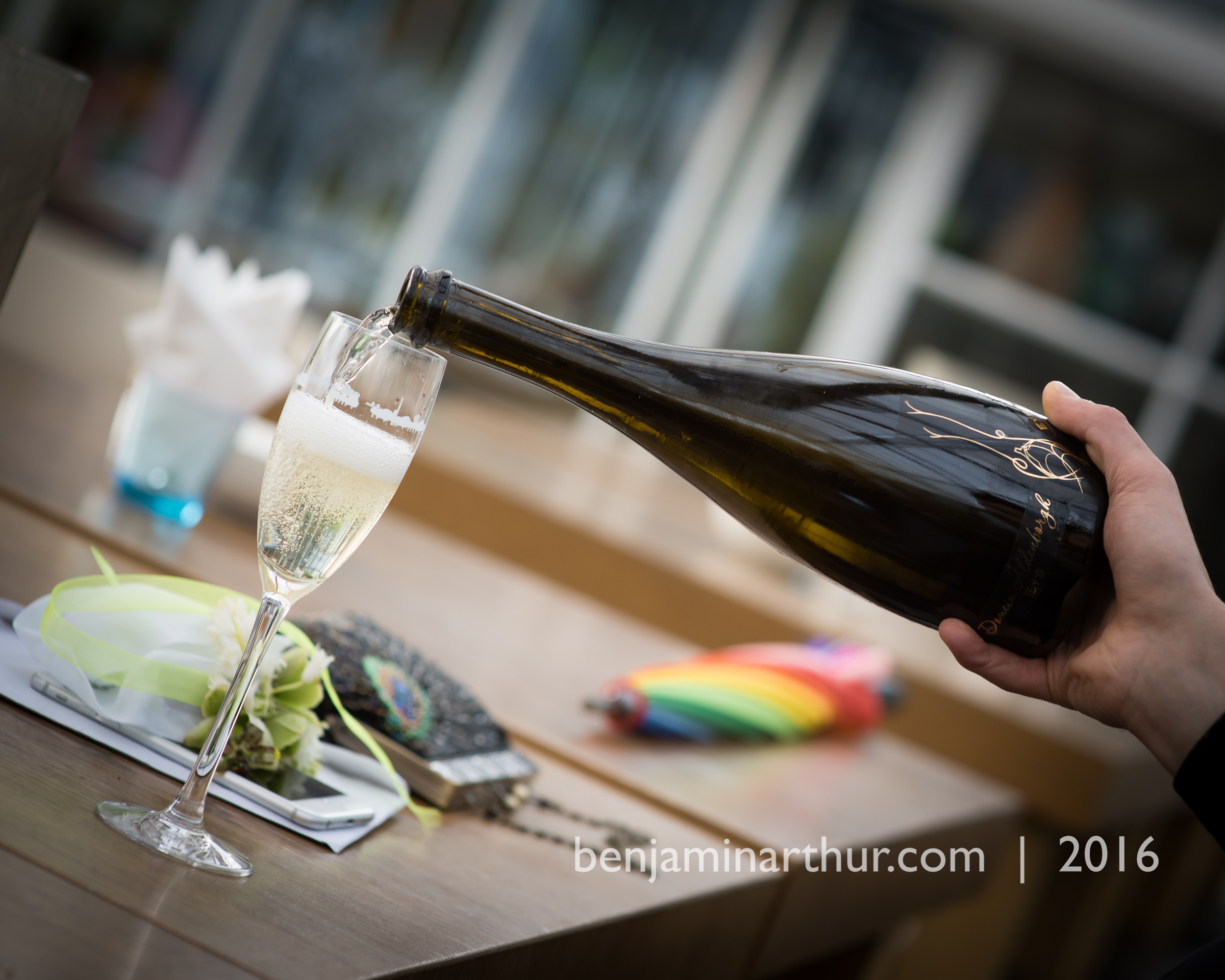
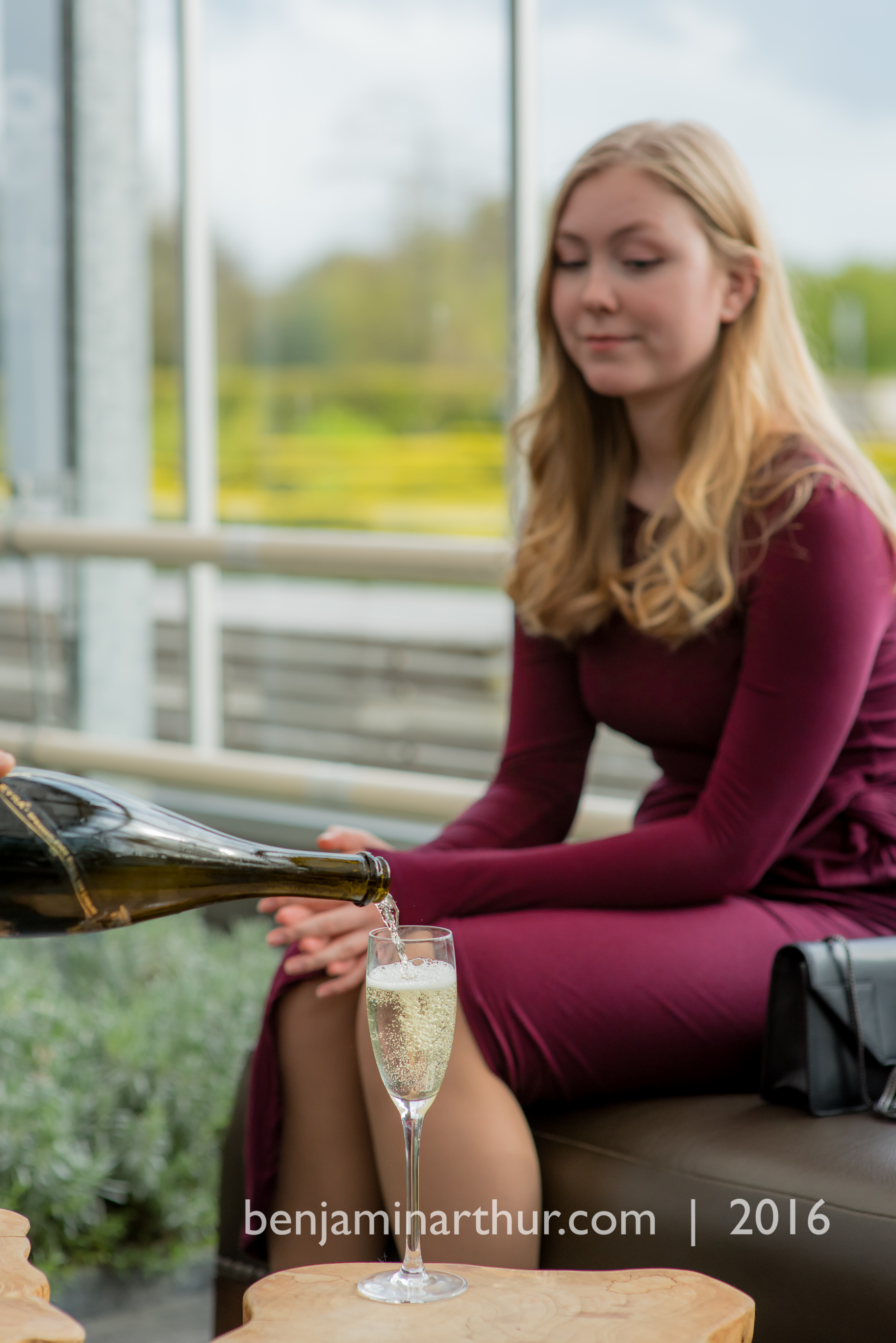
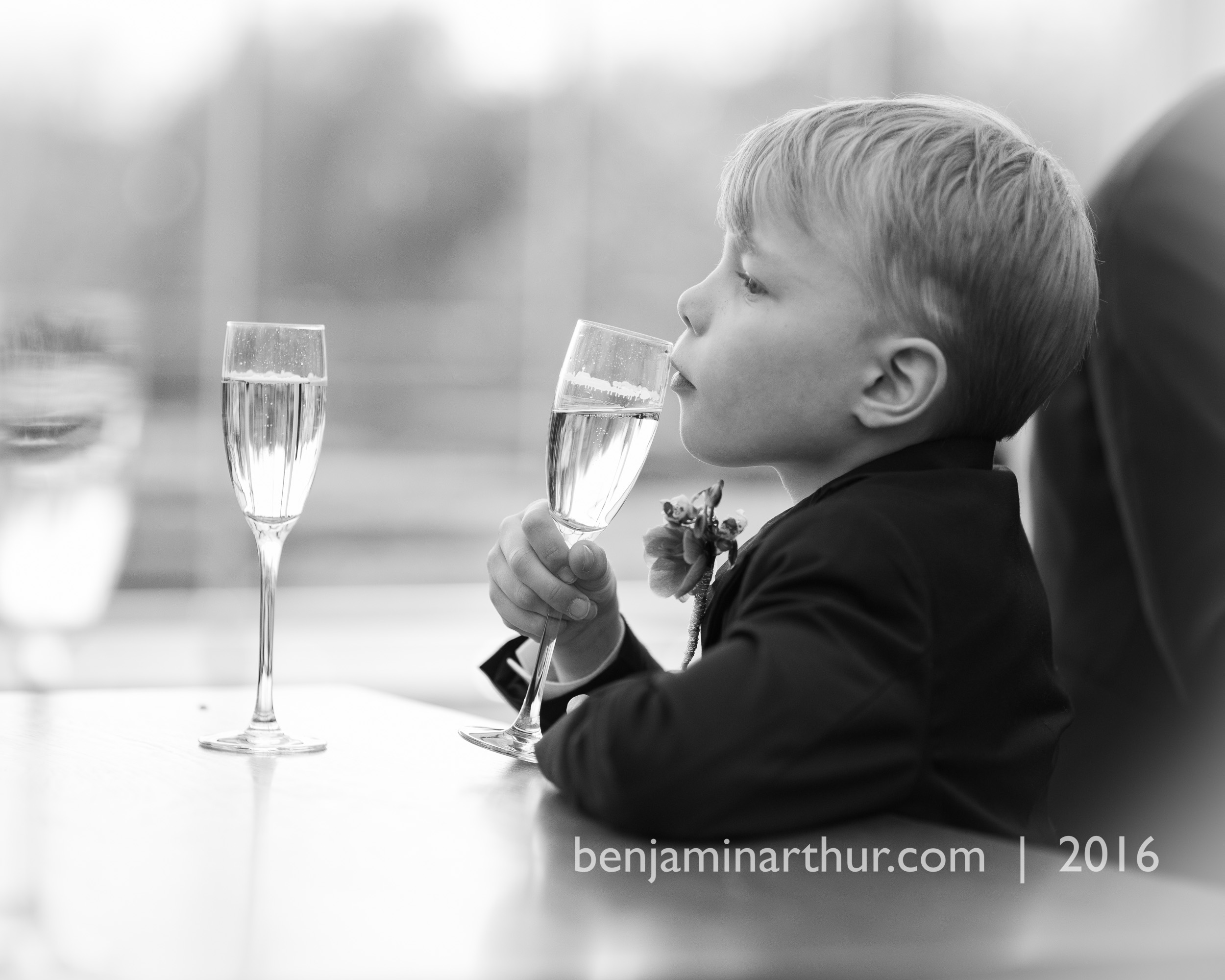
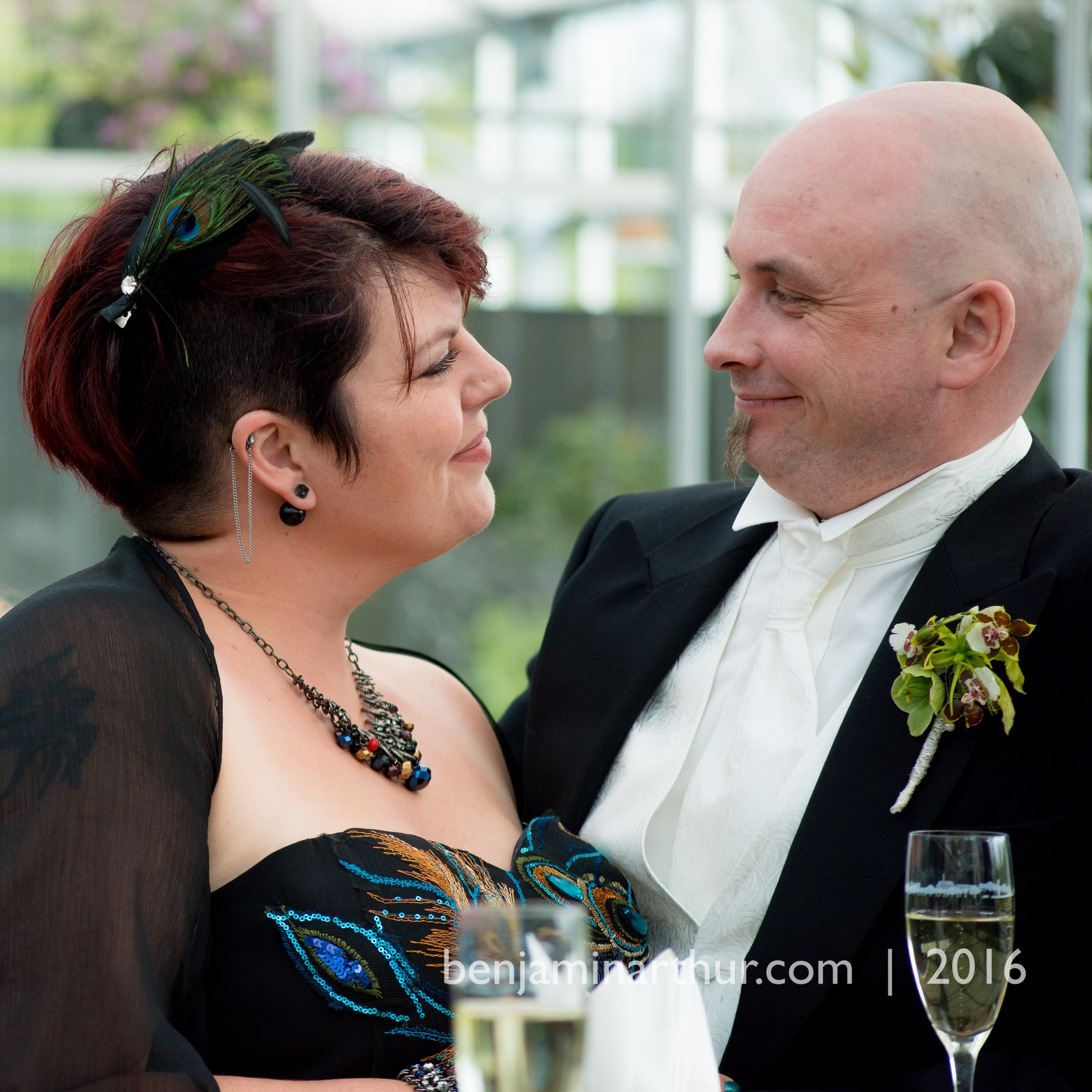
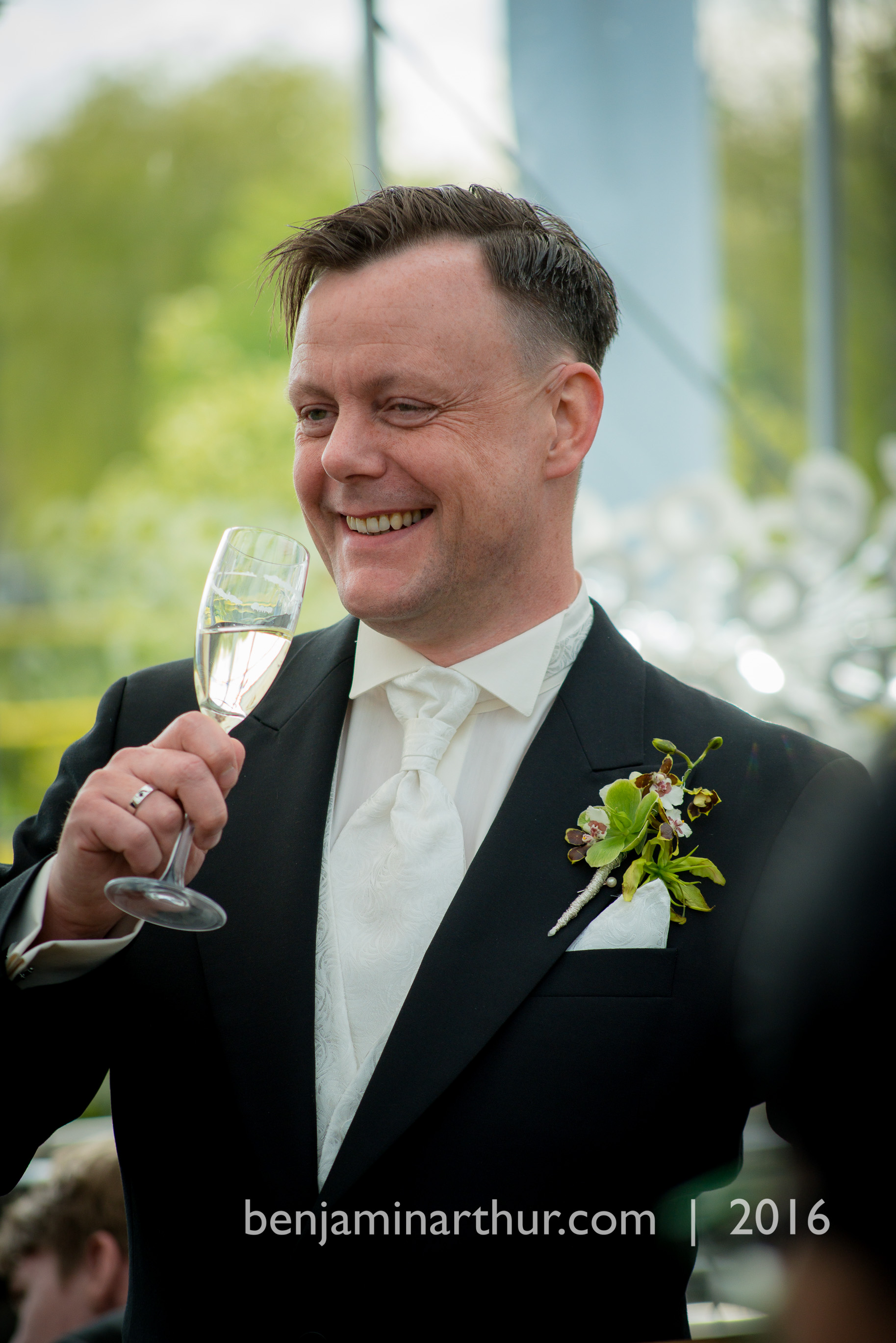
Håkon & Jørn came over to Amsterdam from Norway to tie the knot. It was a low key day with closest friends and family. After the ceremony they gathered at Restaurant De Kas. This is one of my favourite places in all of Amsterdam and I think it was my 4th or 5th time as a De Kas photographer.
We were luckier than forecast with the weather and the sun shone and the blossom was out making for some really memorable shots outside. All in all a perfect day. Congratulations to you both and may you live long and prosper!
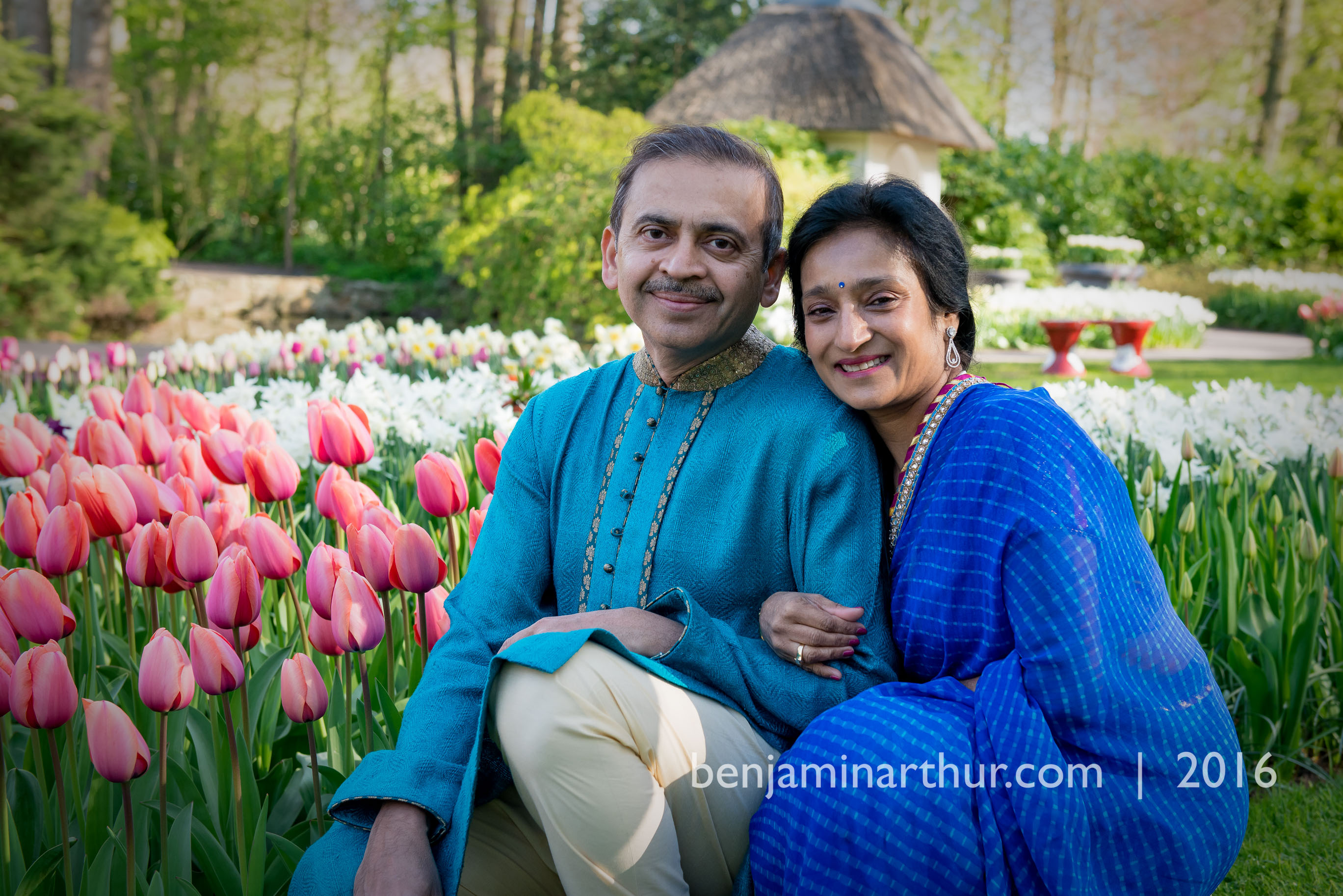
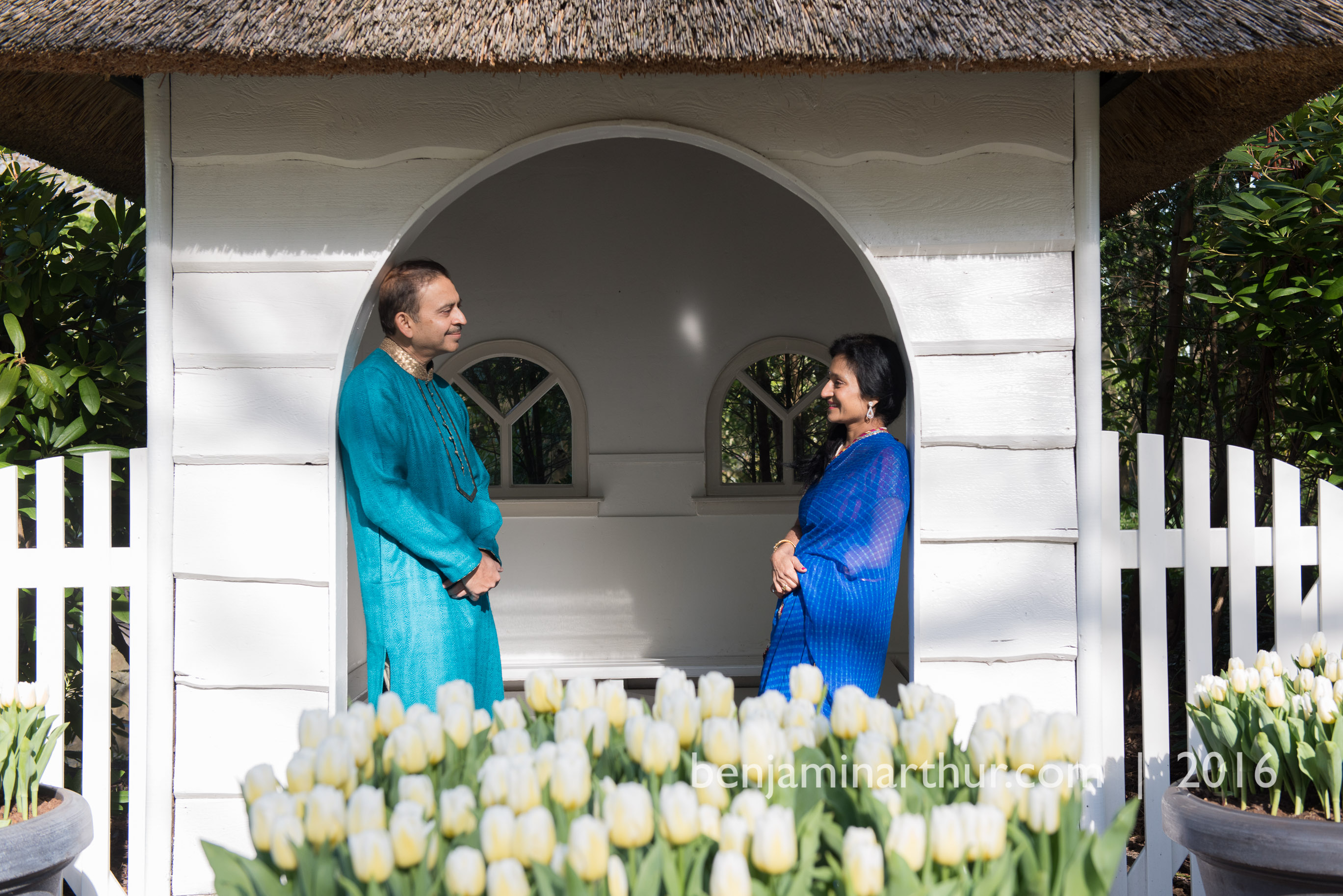
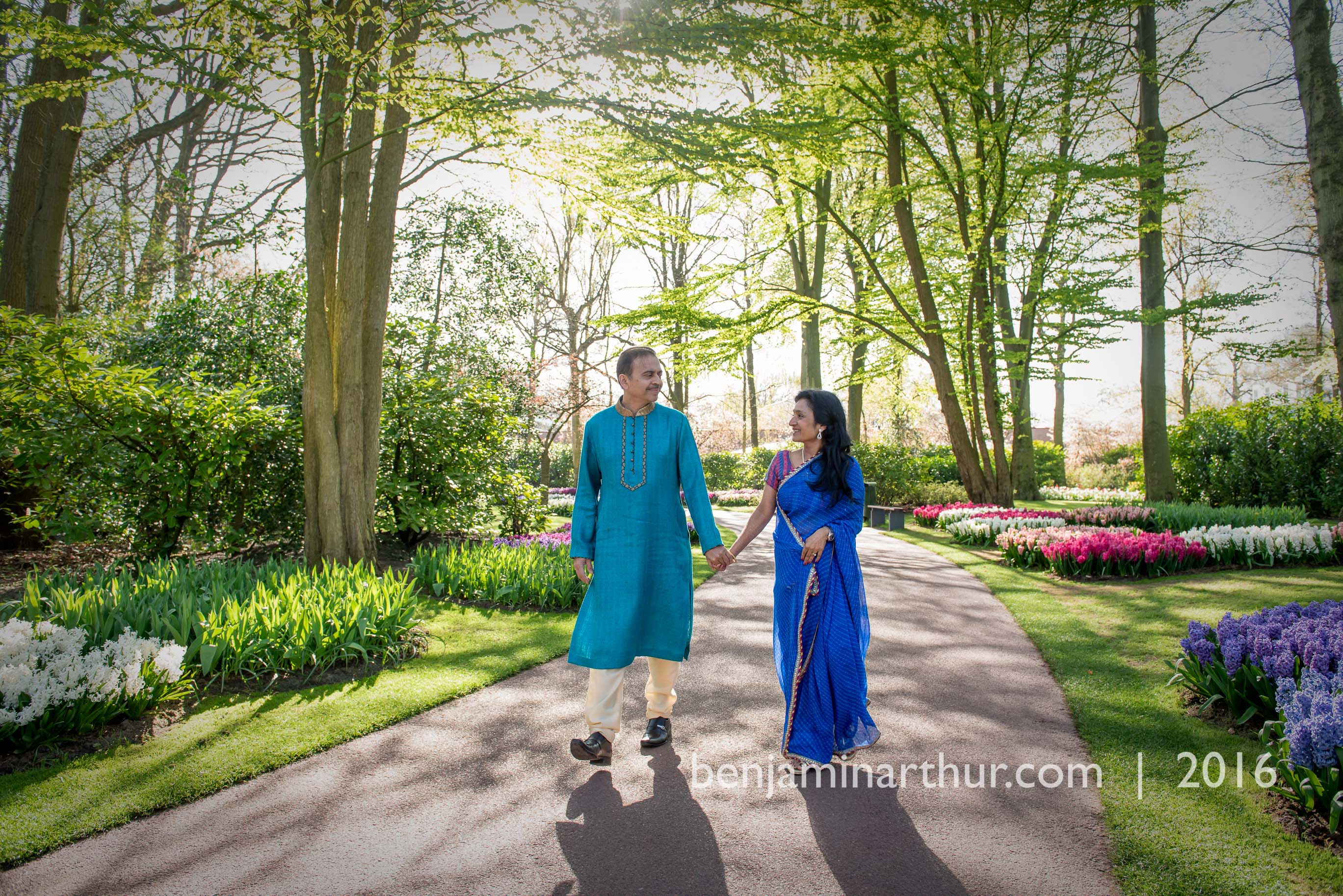
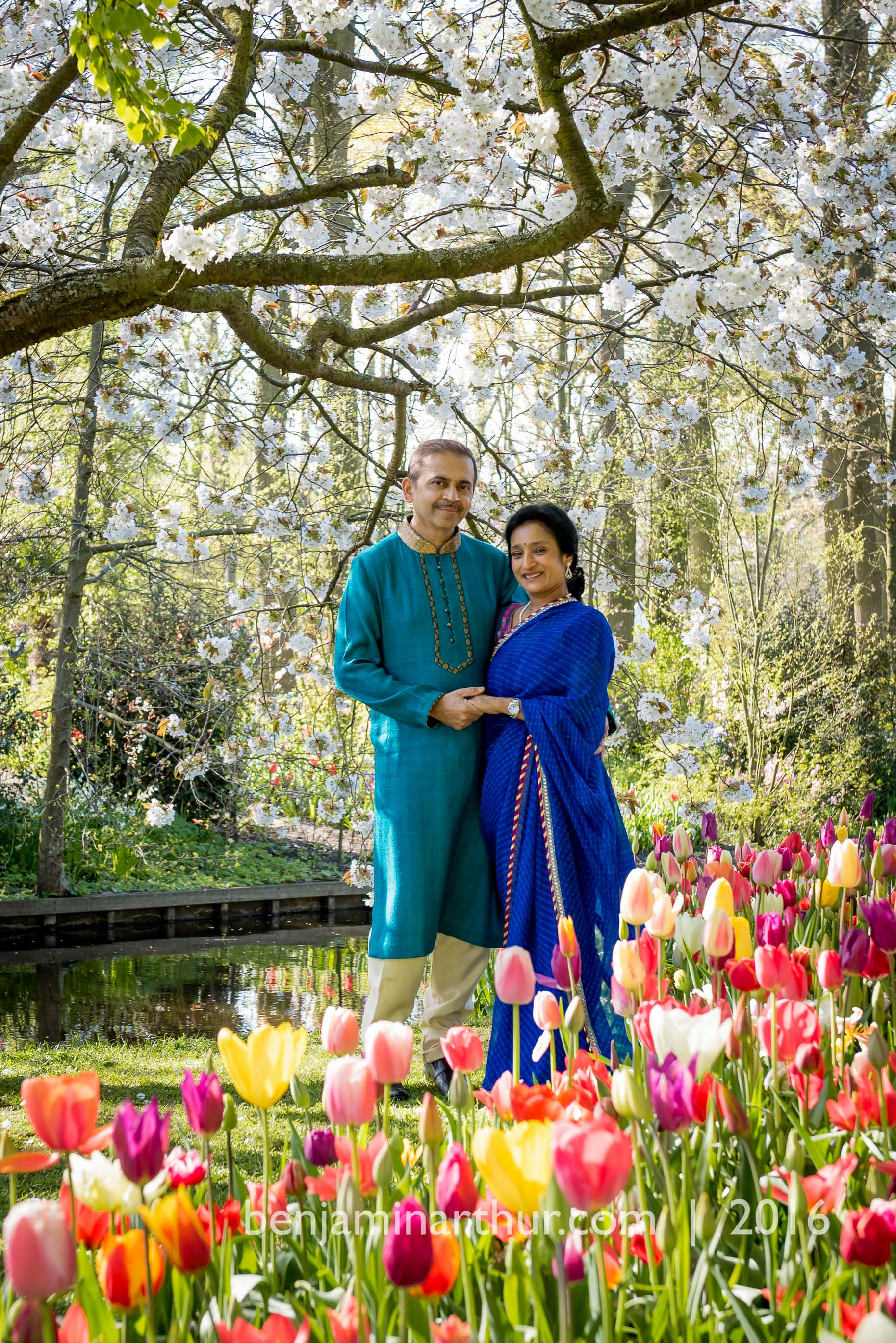
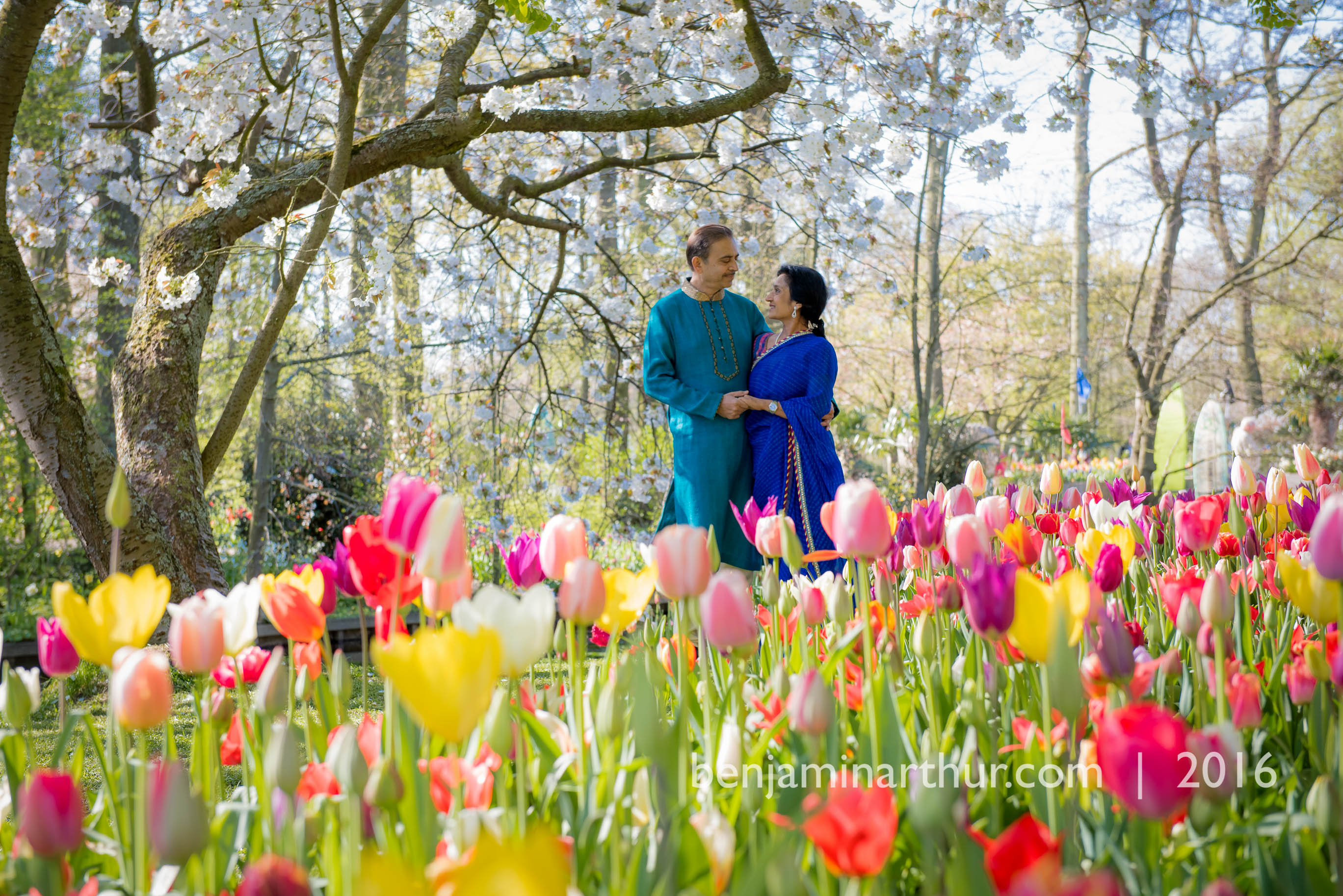
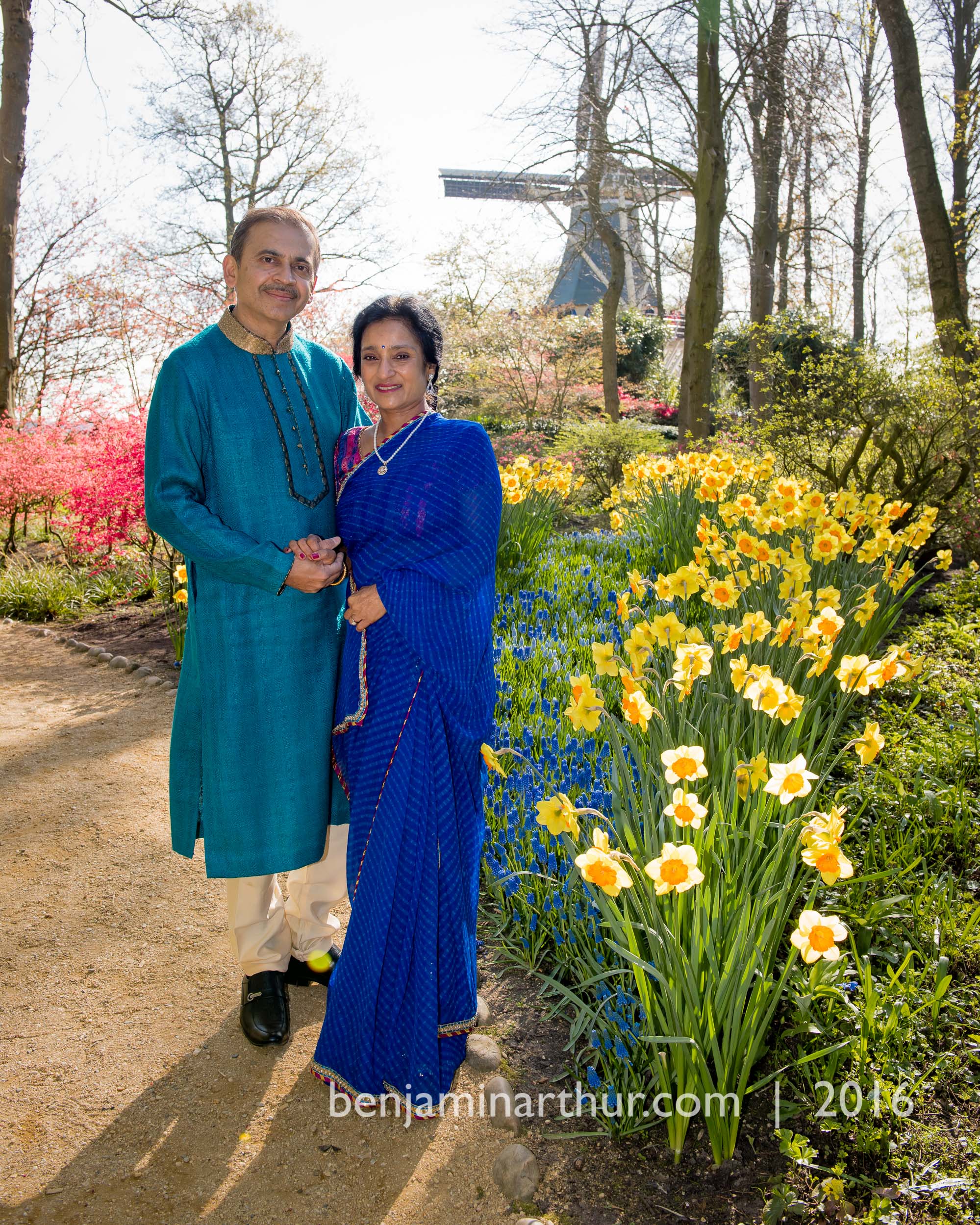
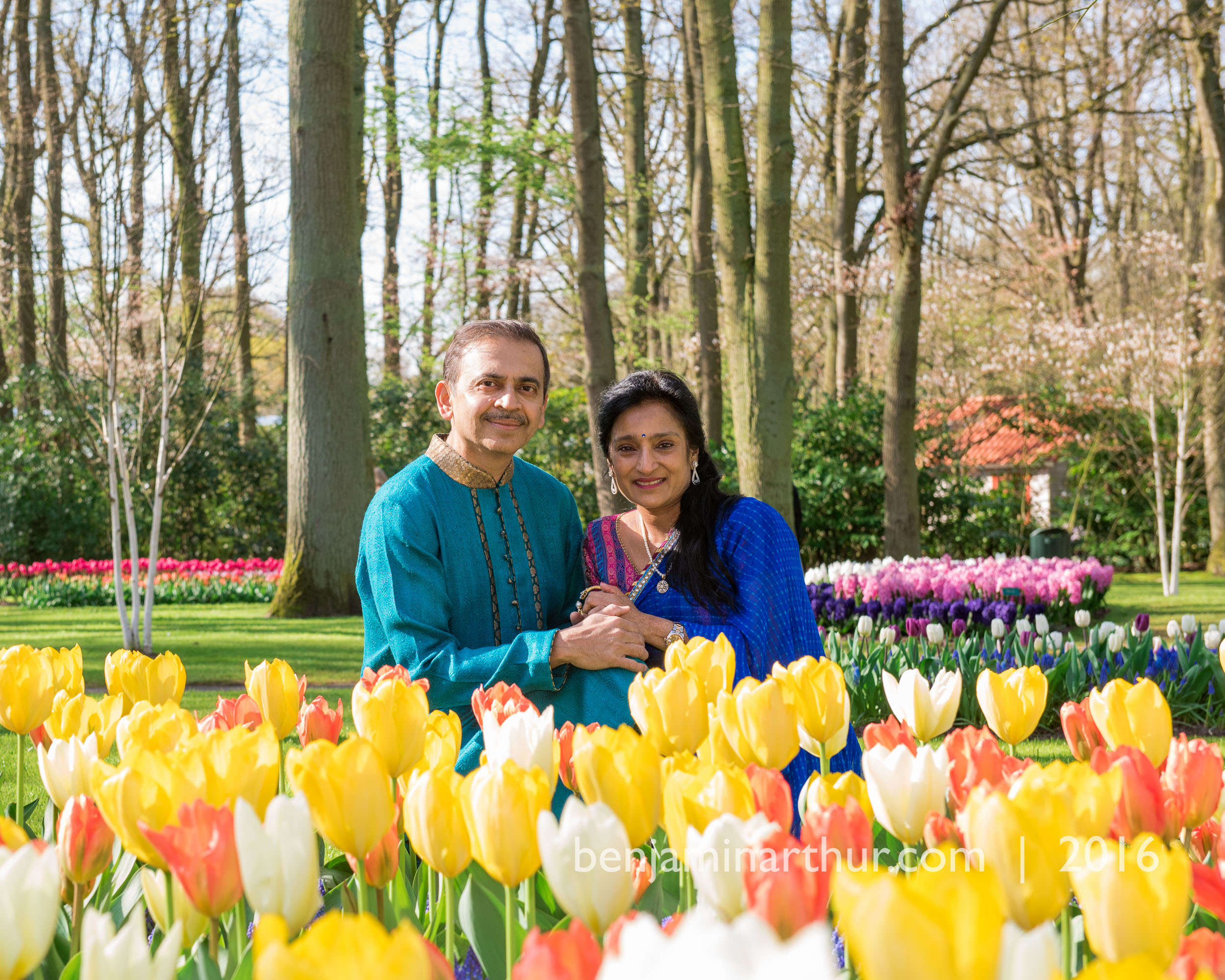
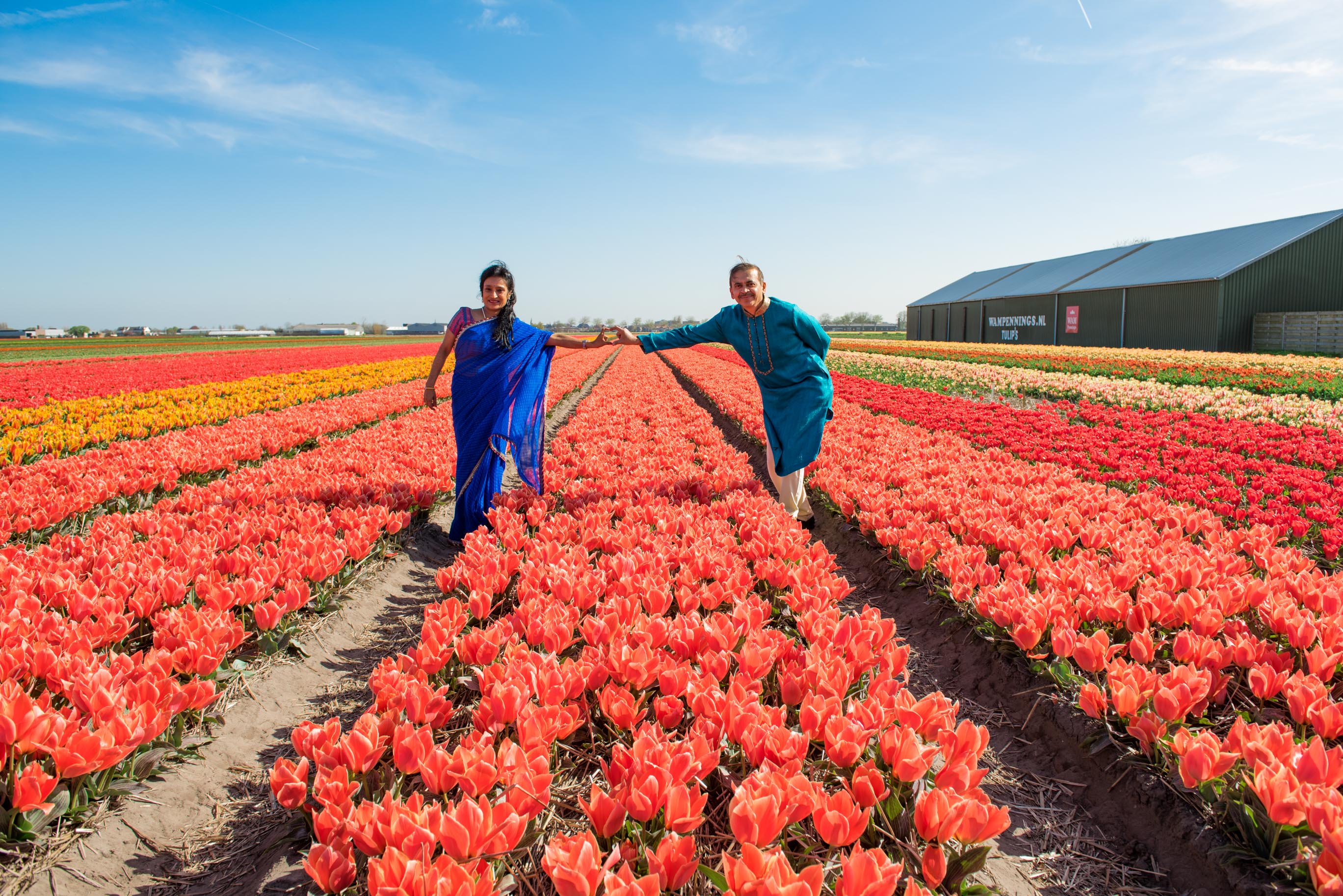
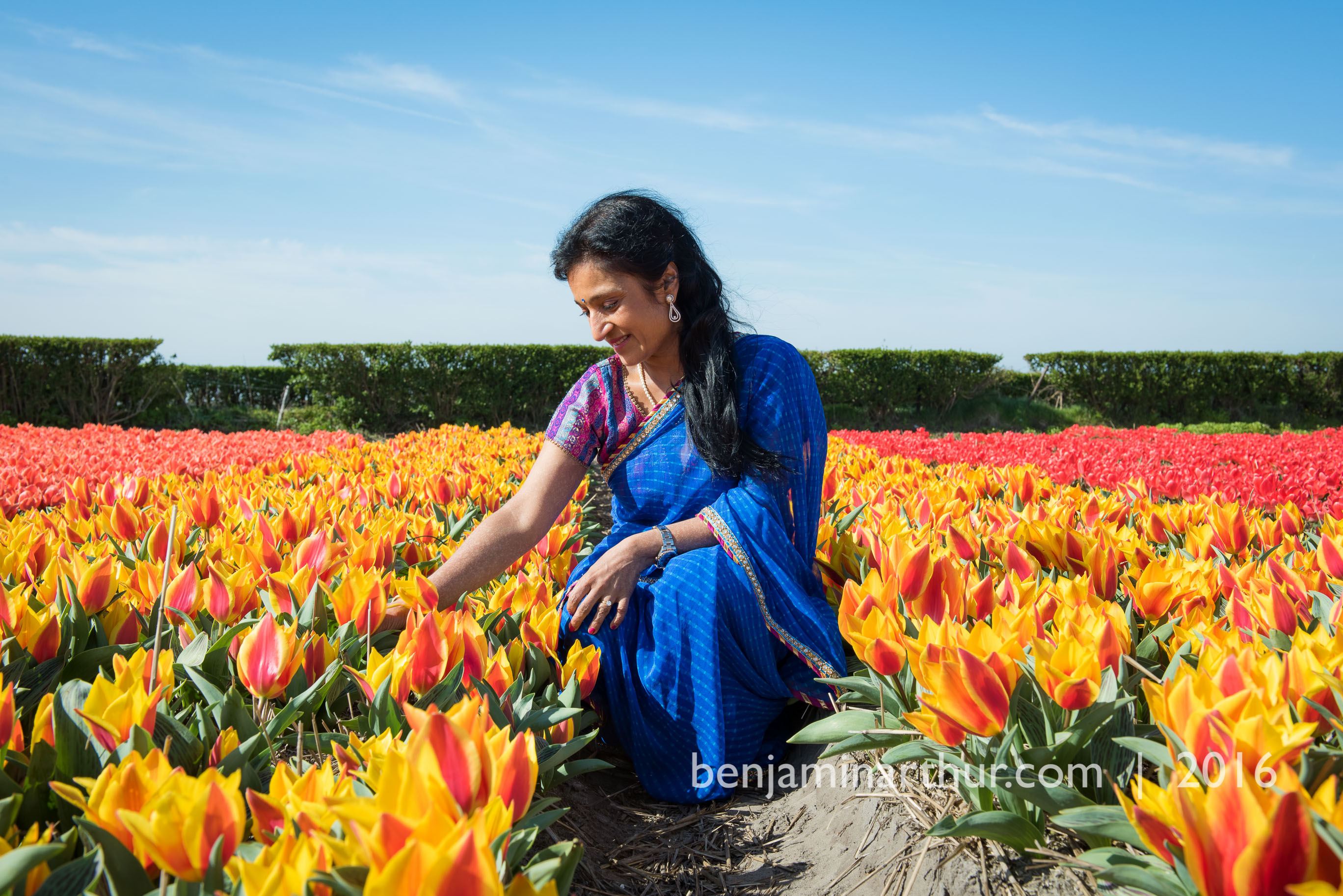
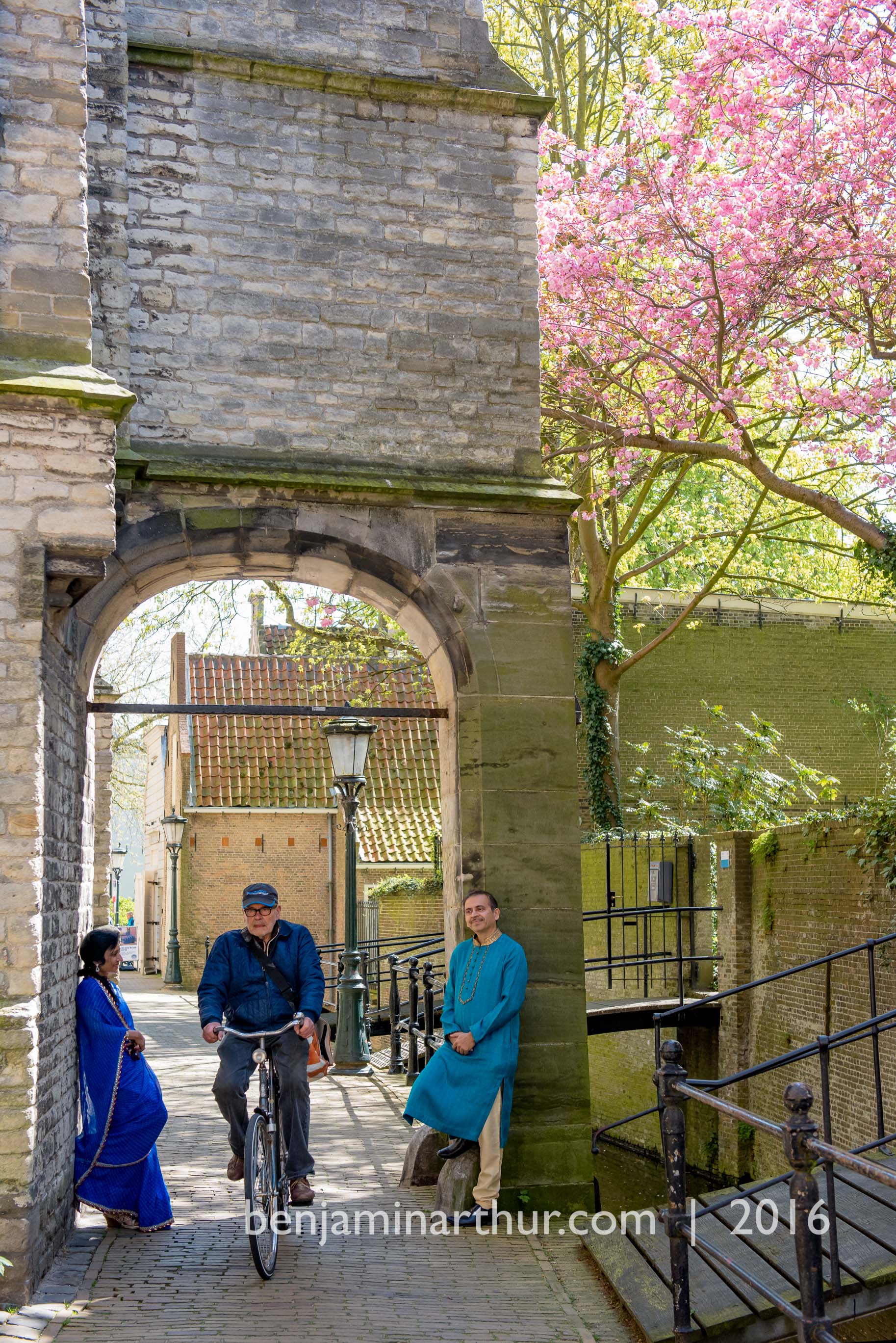
Sandeep flew over to Holland with his beautiful wife Anita and their family from Boston and wanted to mark the occasion of their 30th wedding anniversary with a photoshoot in the gorgeous spring tulip gardens of the Keukenhof.
We had a wonderful time together and I loved how they had made such an effort to get dressed up in traditional Indian clothes; the Sari & Salwar Kameez. It was amazing the way the colours they selected were perfectly off set by the tulips themselves. We were blessed to have a truly spectacular day on which to.
We then went on to check out the cheese market in Gouda and had a brilliant hour observing the medieval rituals that are faithfully observed still each Friday through the warmer months.
Keukenhof stays open until just the 16th May so if you want to book a last minute shoot please get in touch. Otherwise many congratulations to the happy couple.
Here are some of the photos from the anniversary shoot –
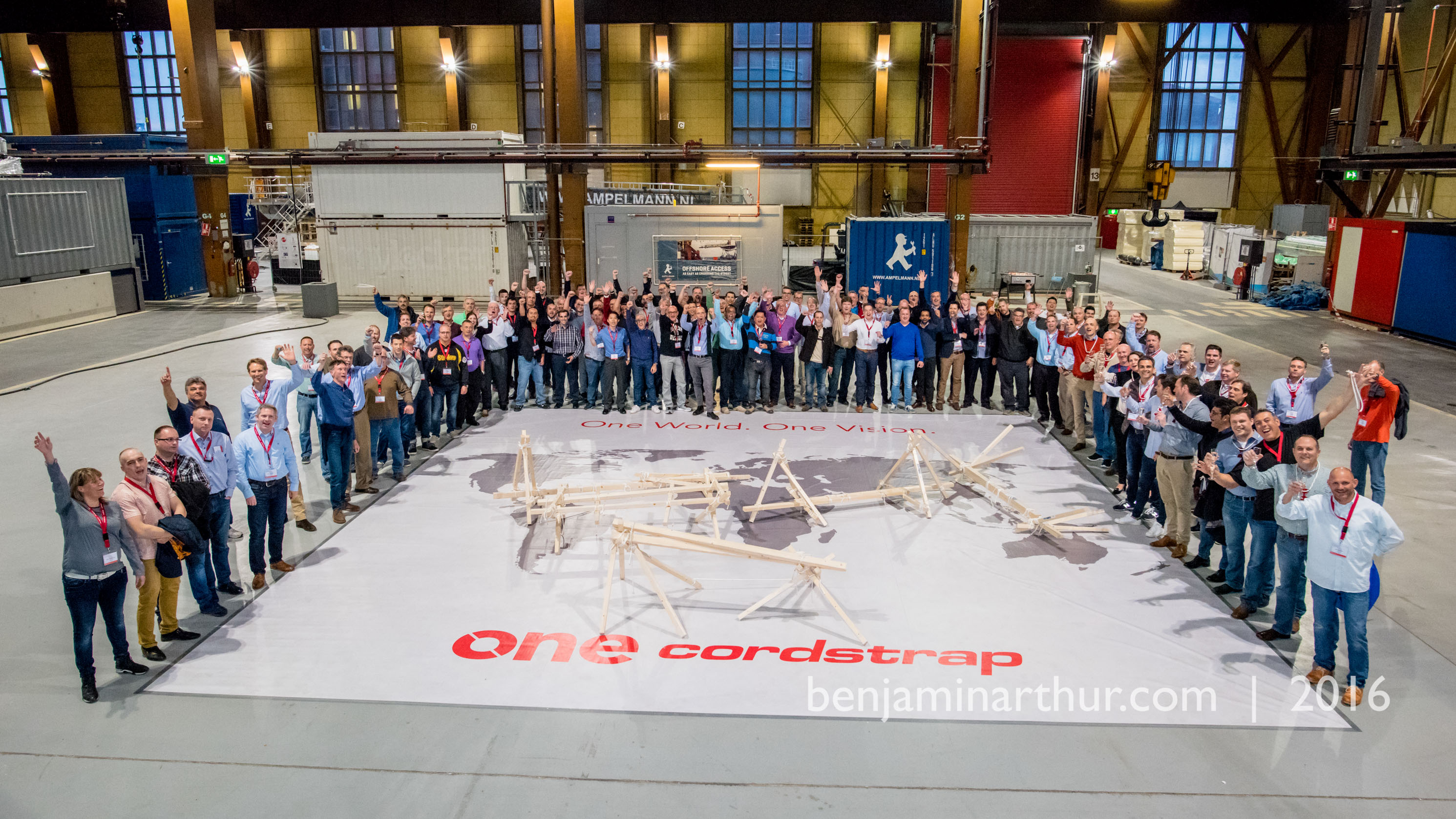
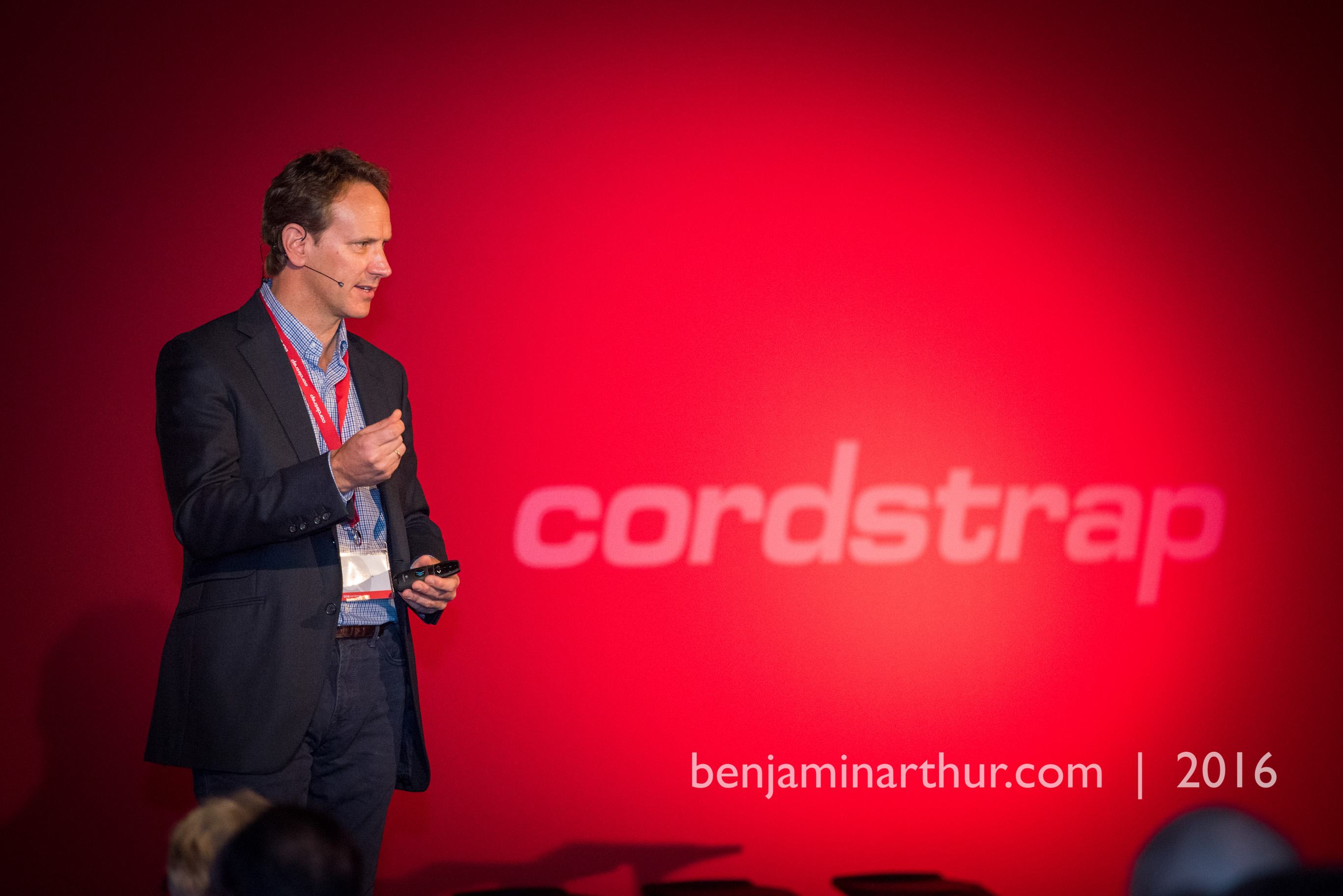
Another great year of photography for Cordstrap’s Rotterdam Event
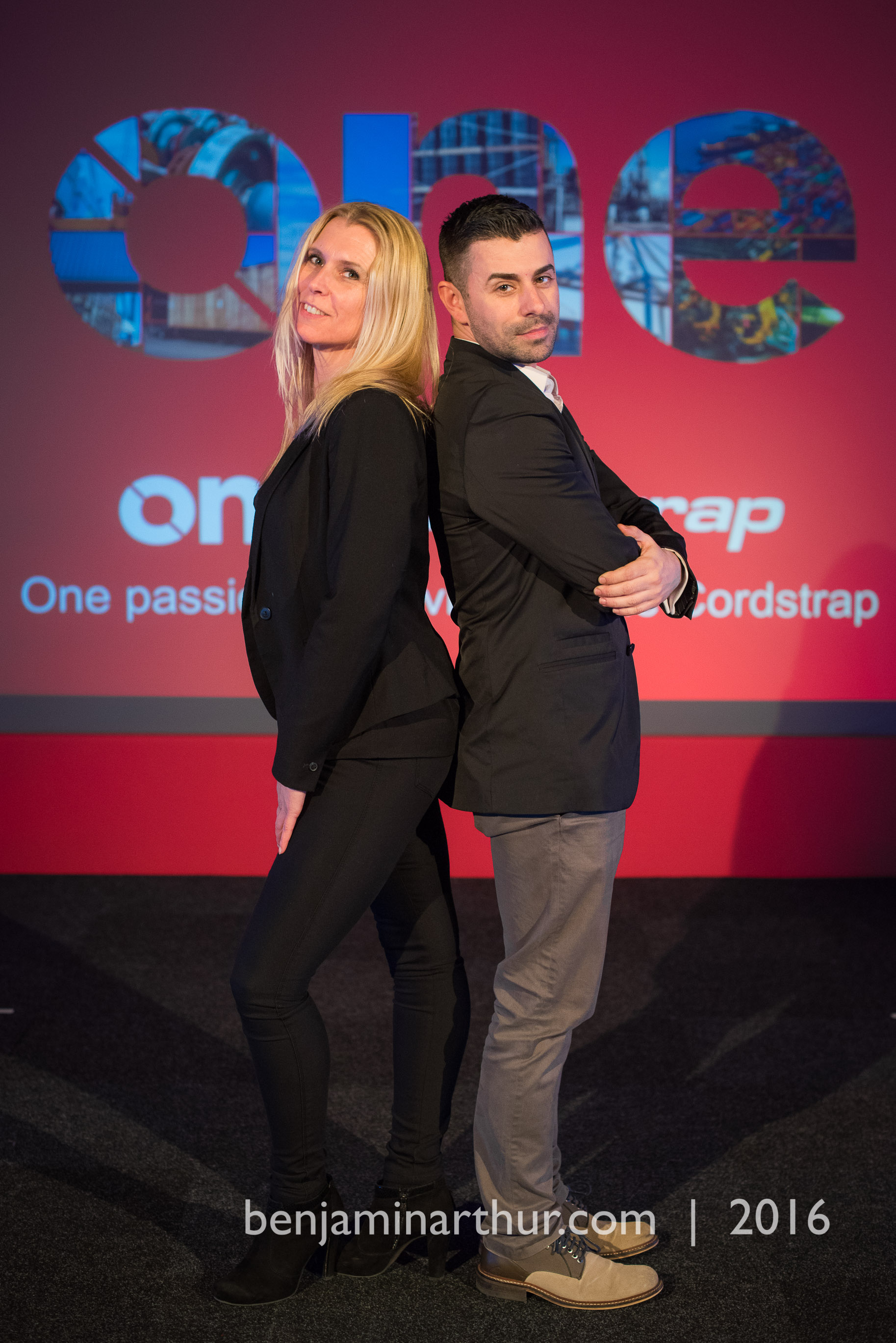
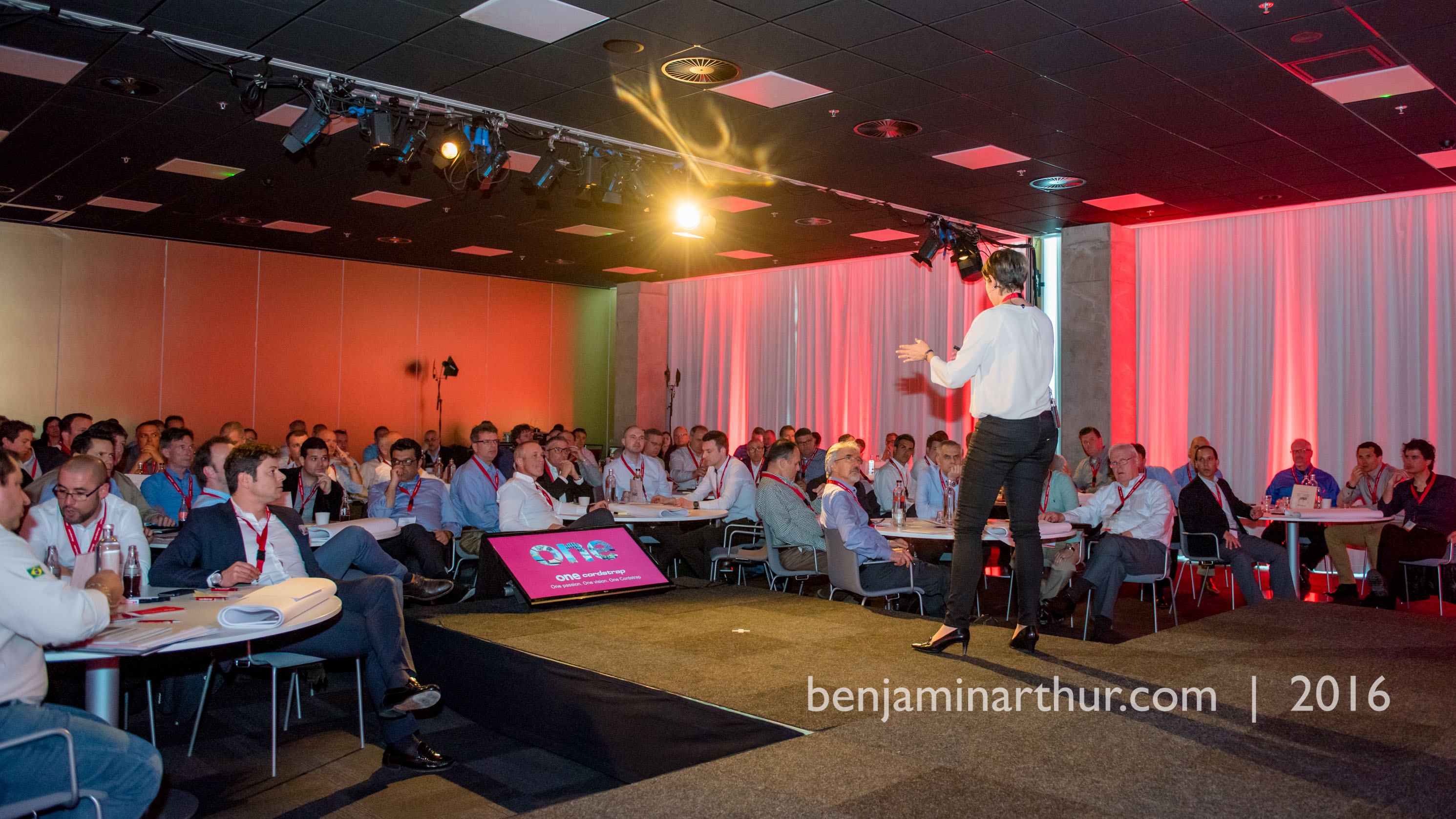
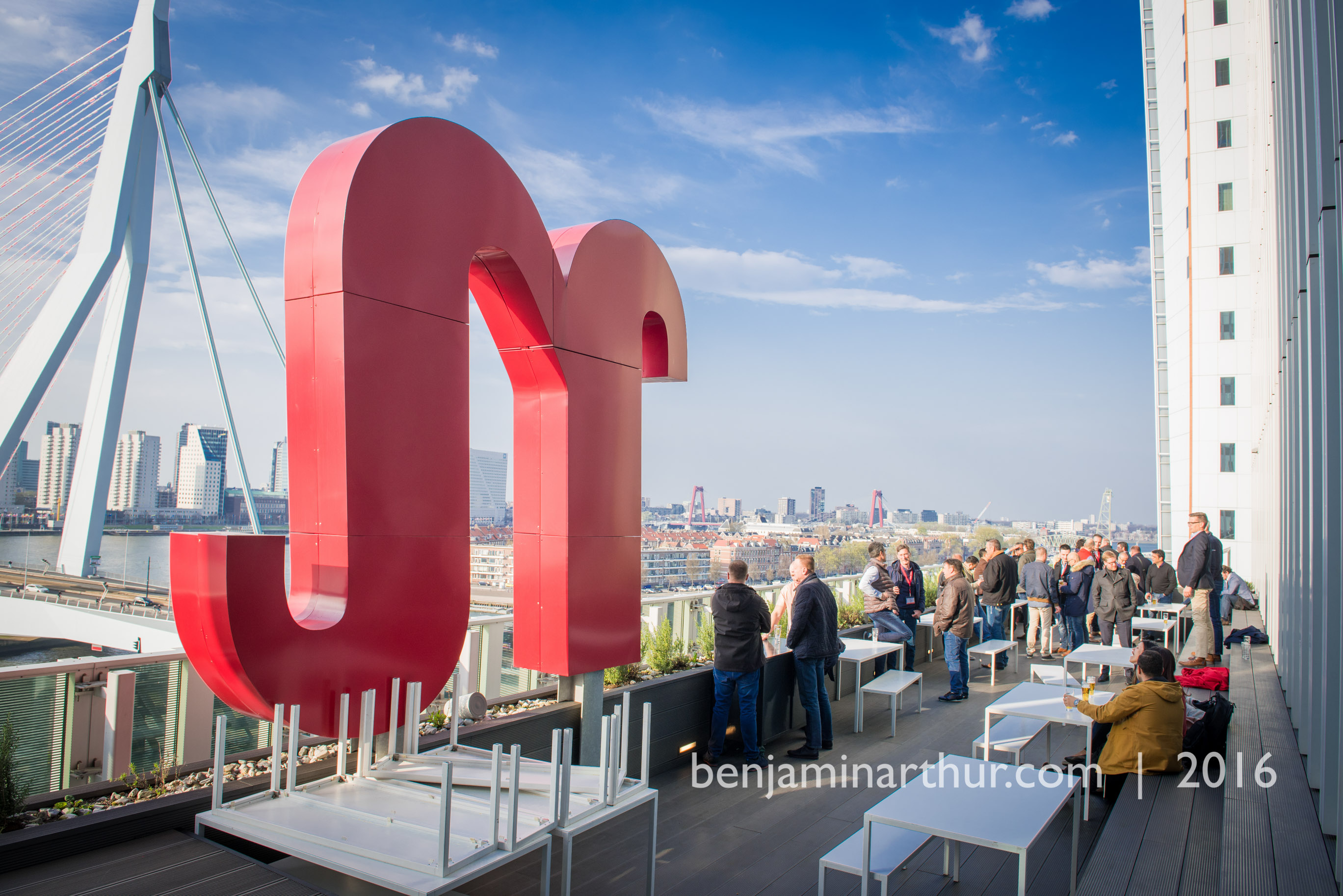
Every year for the past few years I’ve been lucky enough to be the photographer for Cordstrap’s annual Sales & Marketing conference. This year – at last – it was held in Rotterdam but in the past I’ve traveled to Orlando, Los Angeles & Bangkok with the team. I covered their very first event in my adopted home town of Amsterdam. We always have a brilliant time and each year I am challenged afresh.
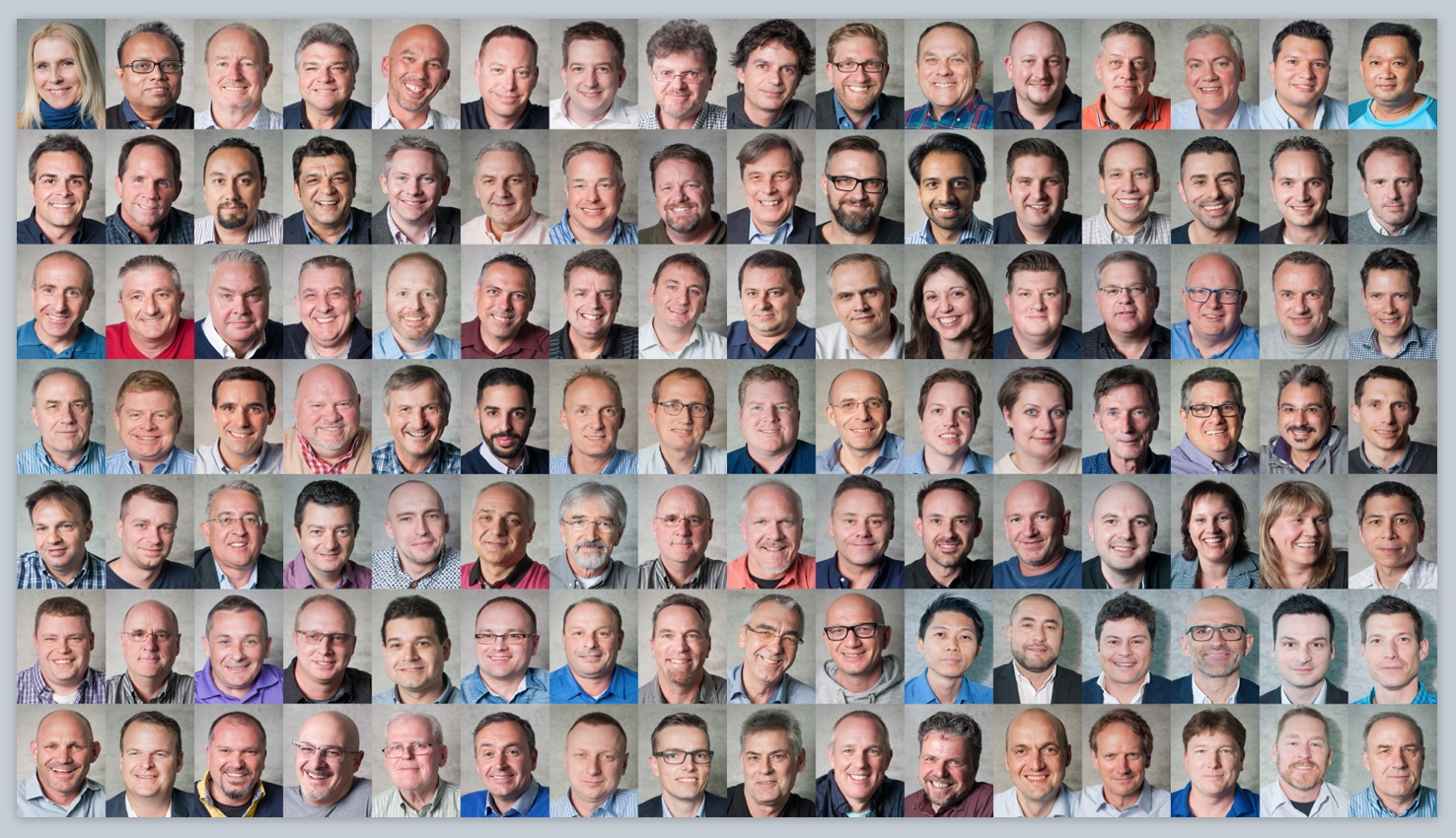
This year I had to produce over 100 headshots in one evening for use on the closing slide of the conference. Corralling every jet lagged delegate to have their headshot taken was easier said than done – especially when there was great nHow hotel food & drink to enjoy! The resulting collage can be seen below and was a big success at the end of the conference.
I always produce images that the Cordstrap team get to view the morning after the night before. This involves late nights for me and an even earlier start for me partners from the event management team who are in charge of putting those pictures into slides at the start of each day.
We work closely as a team and we all love seeing the shots come alive so fast after they’ve been taken.
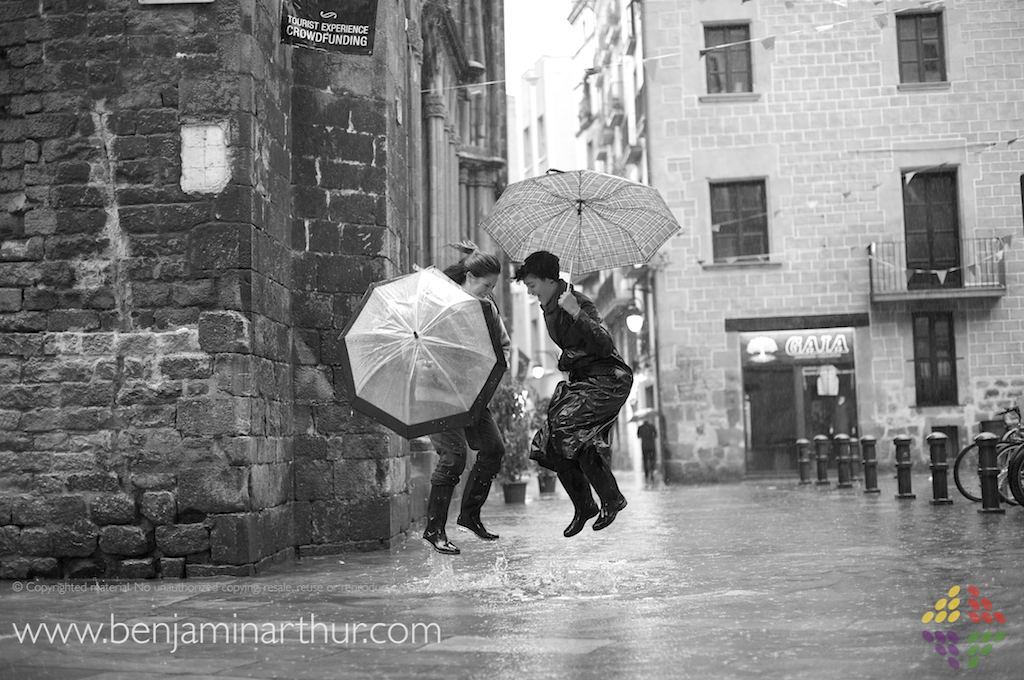
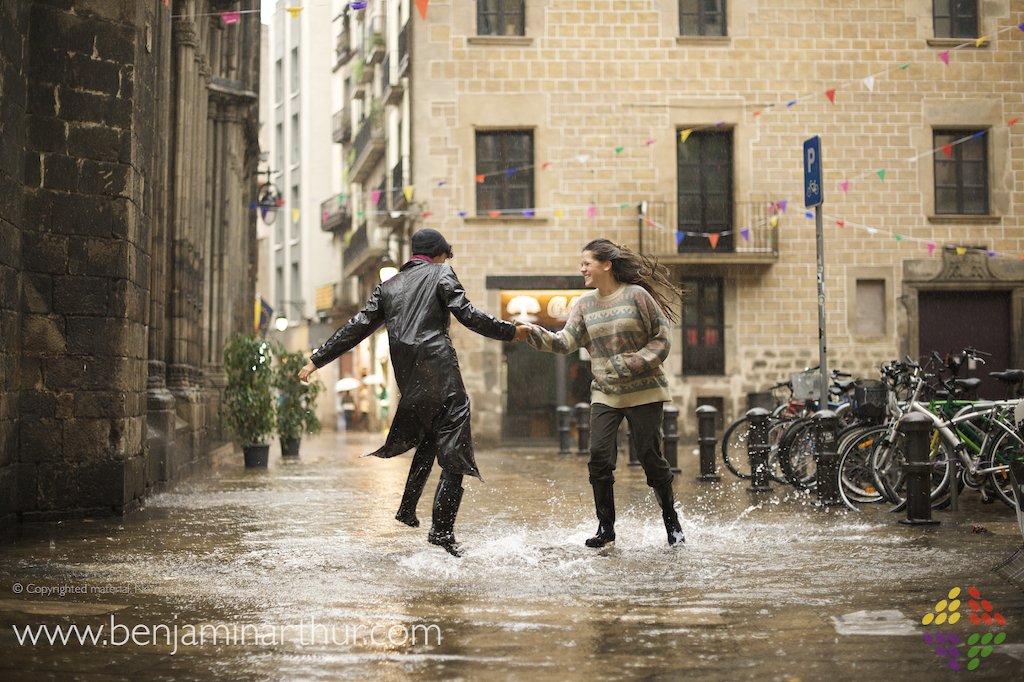
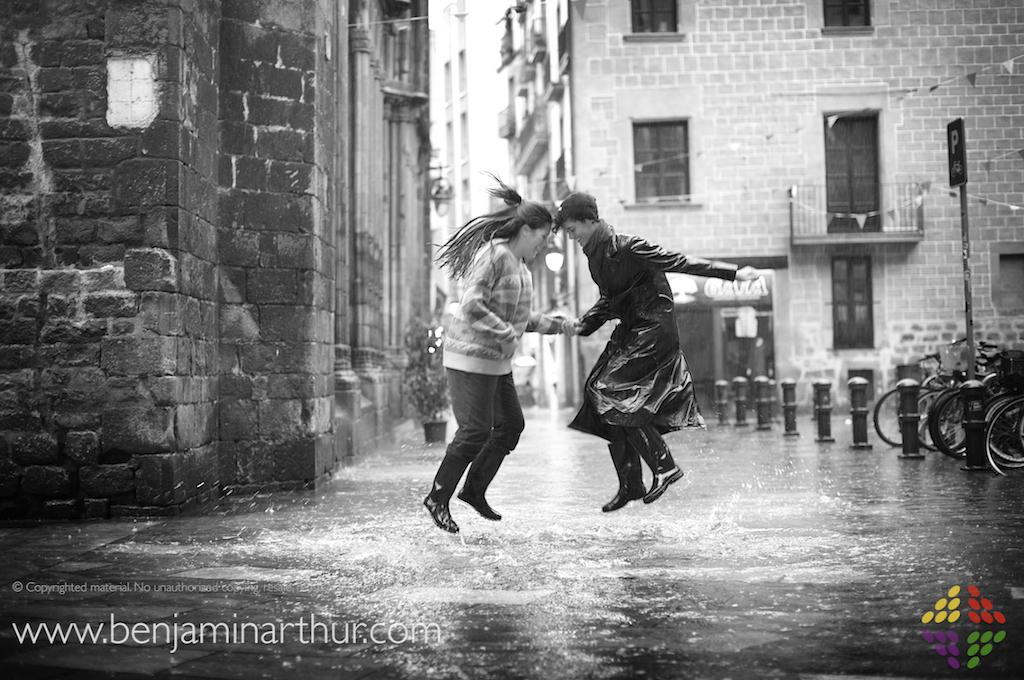
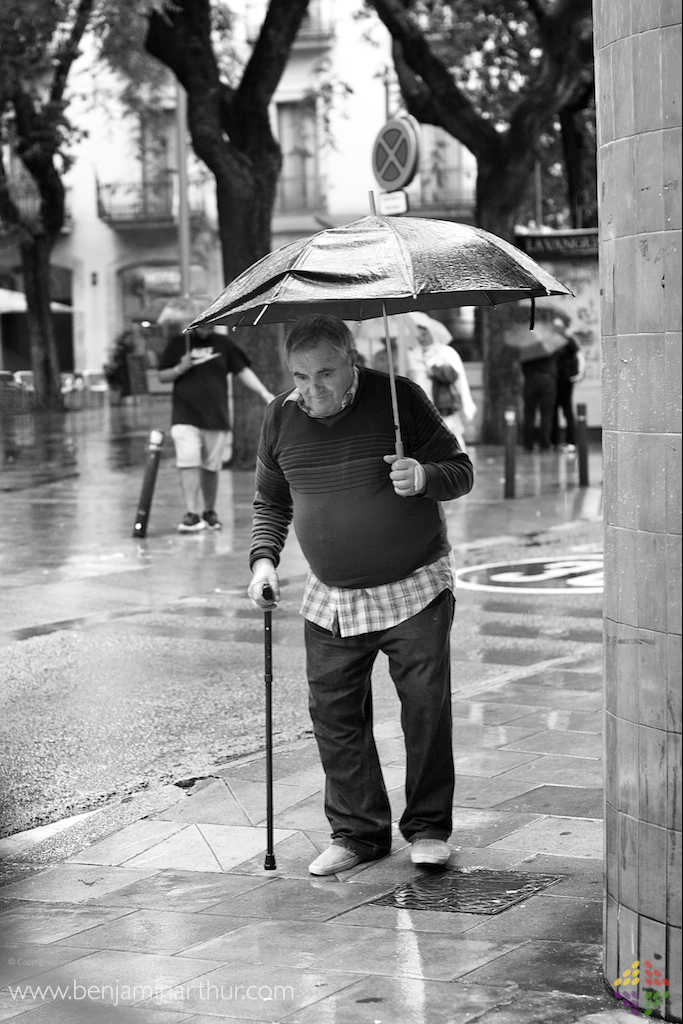
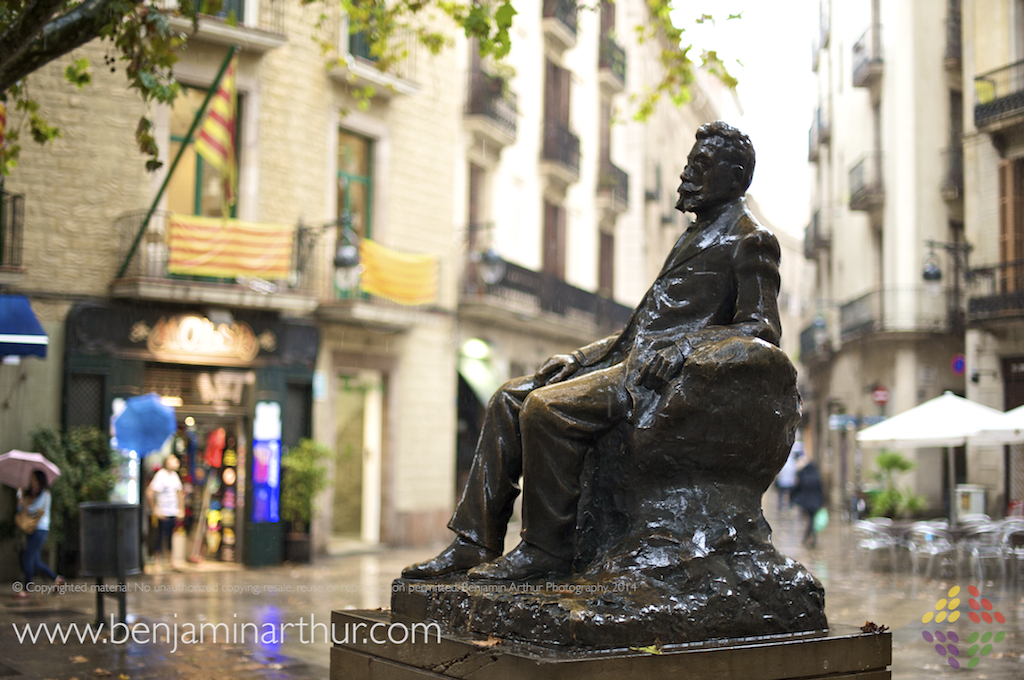
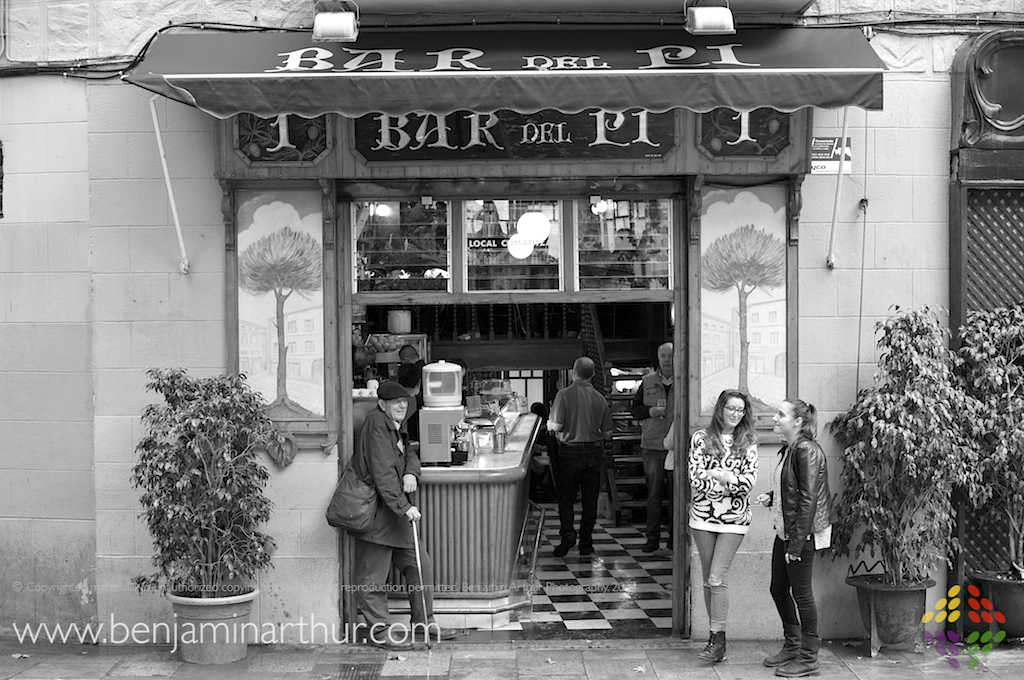
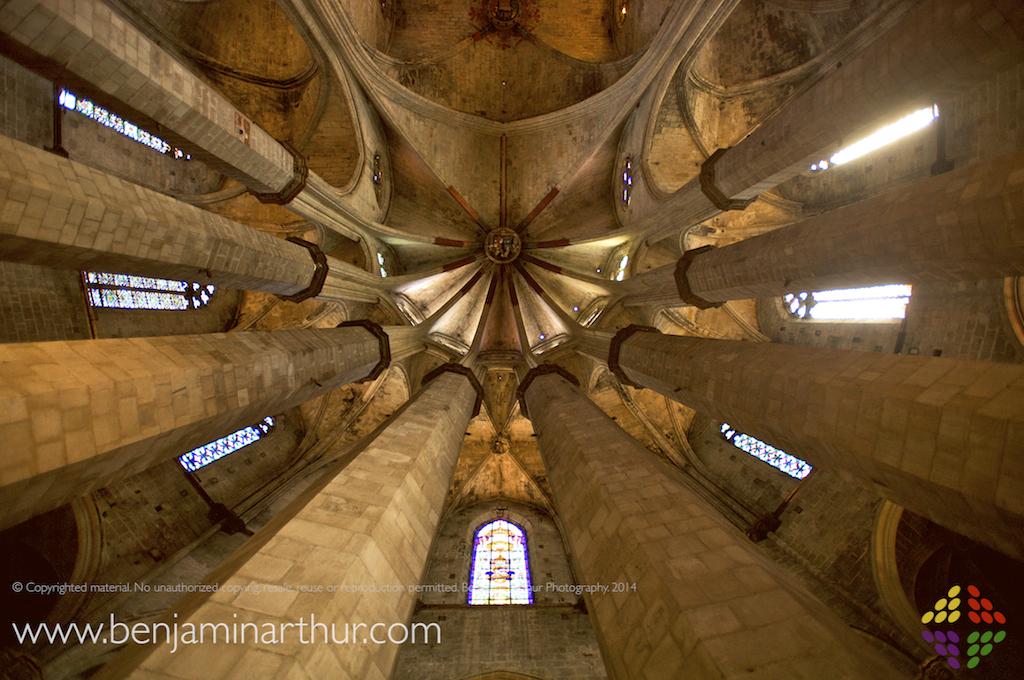
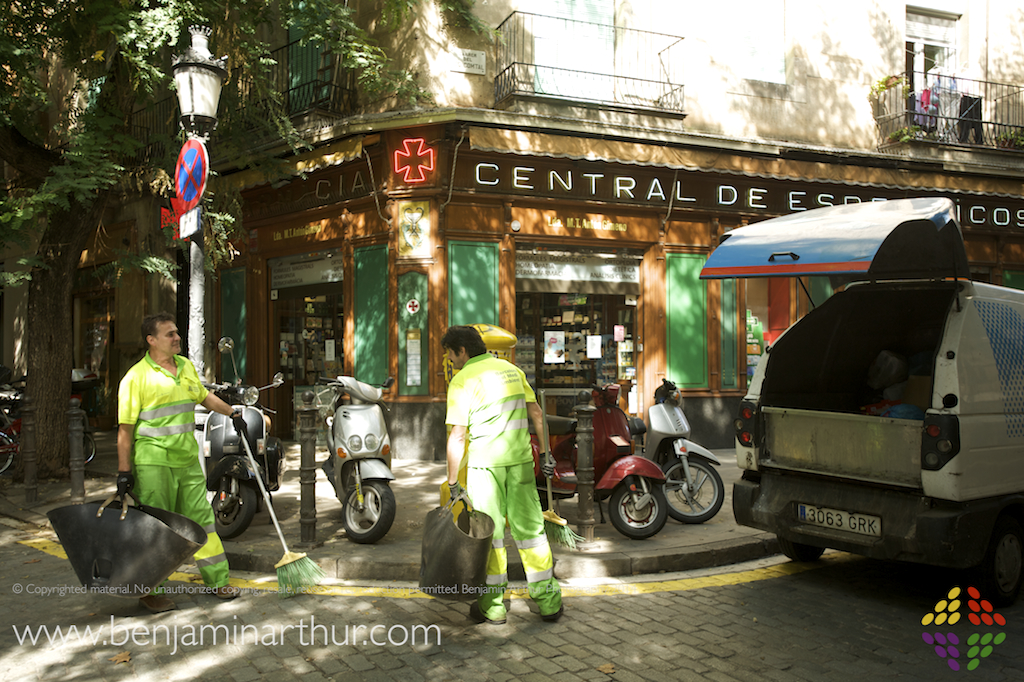
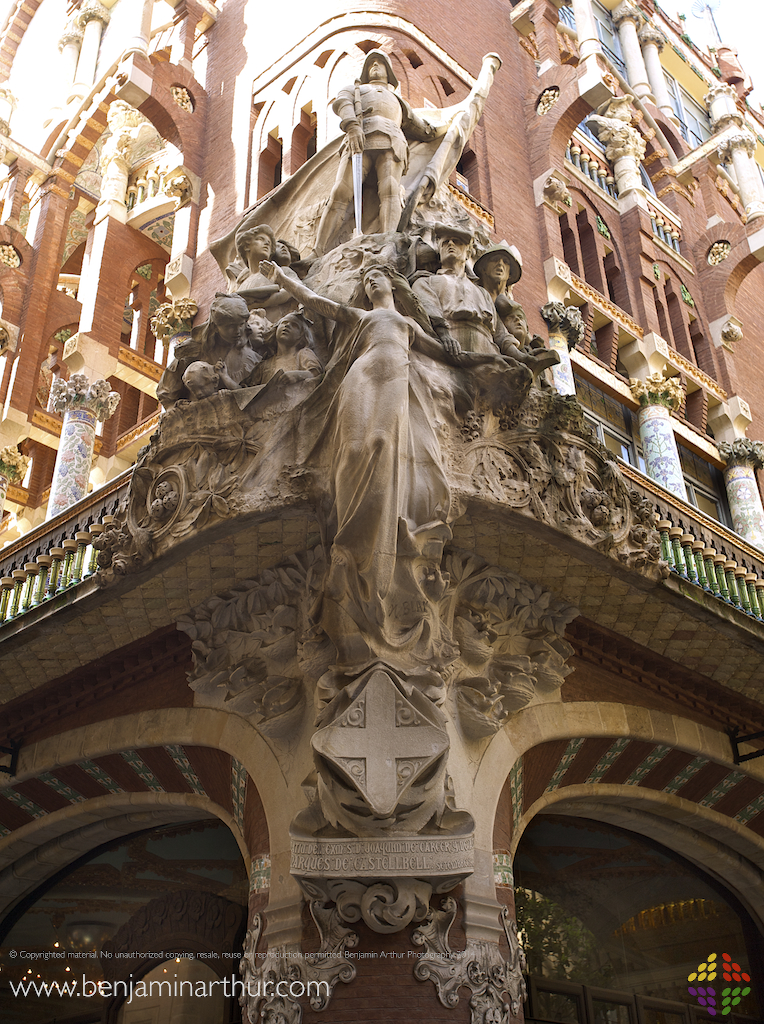
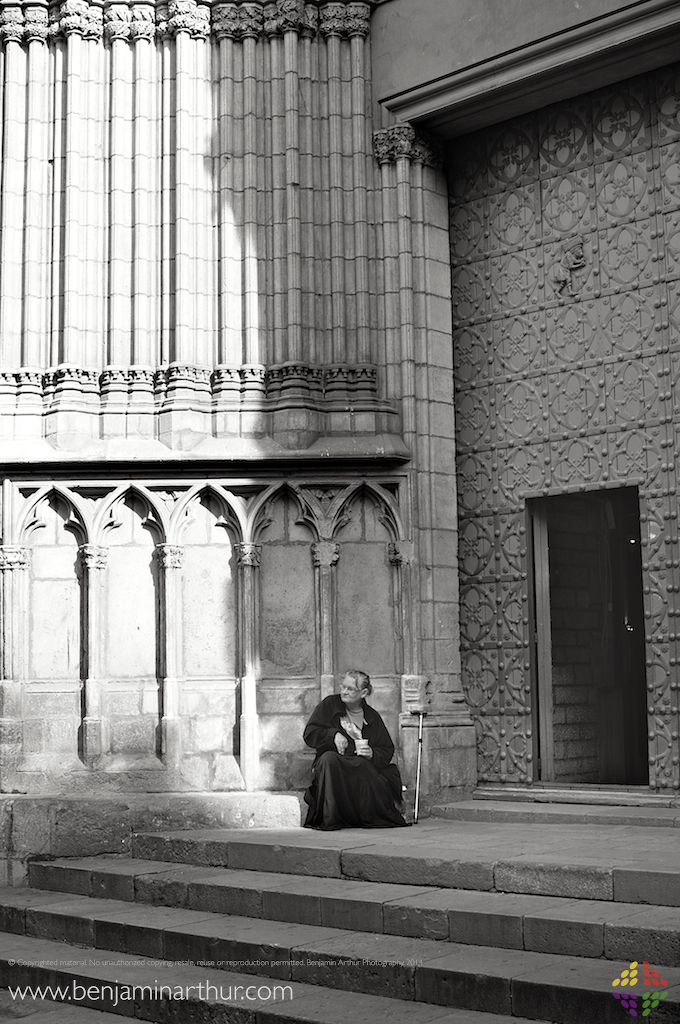
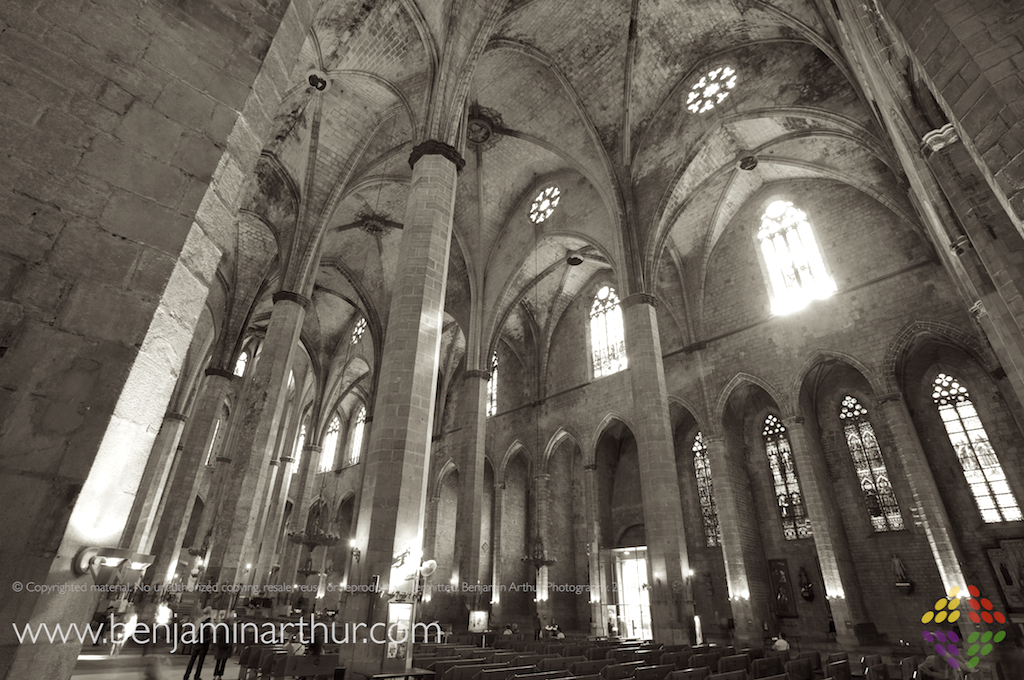
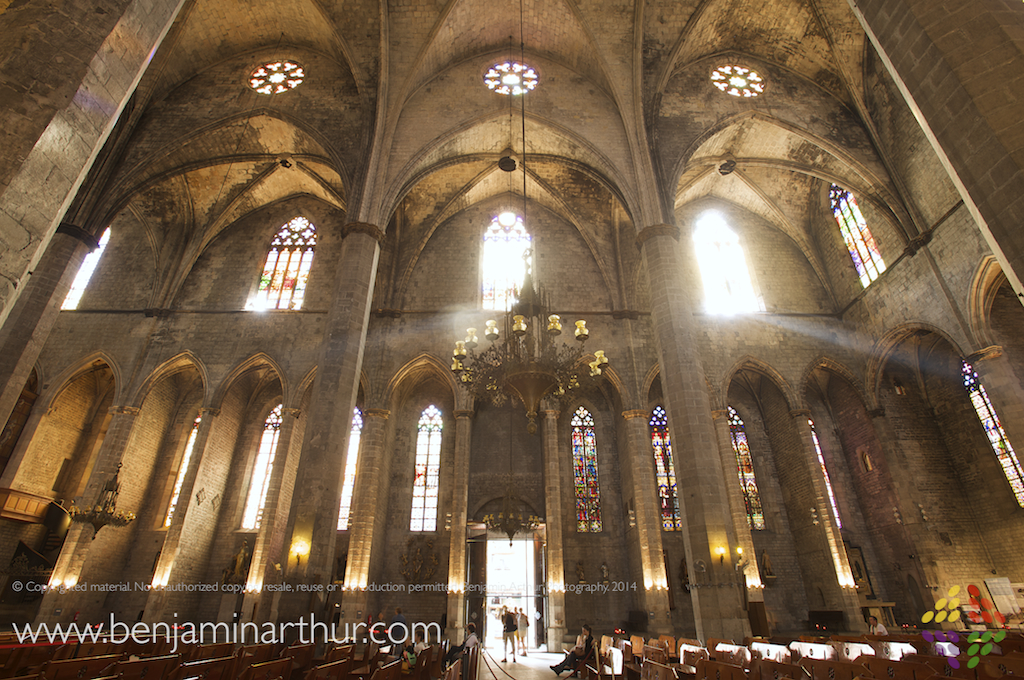
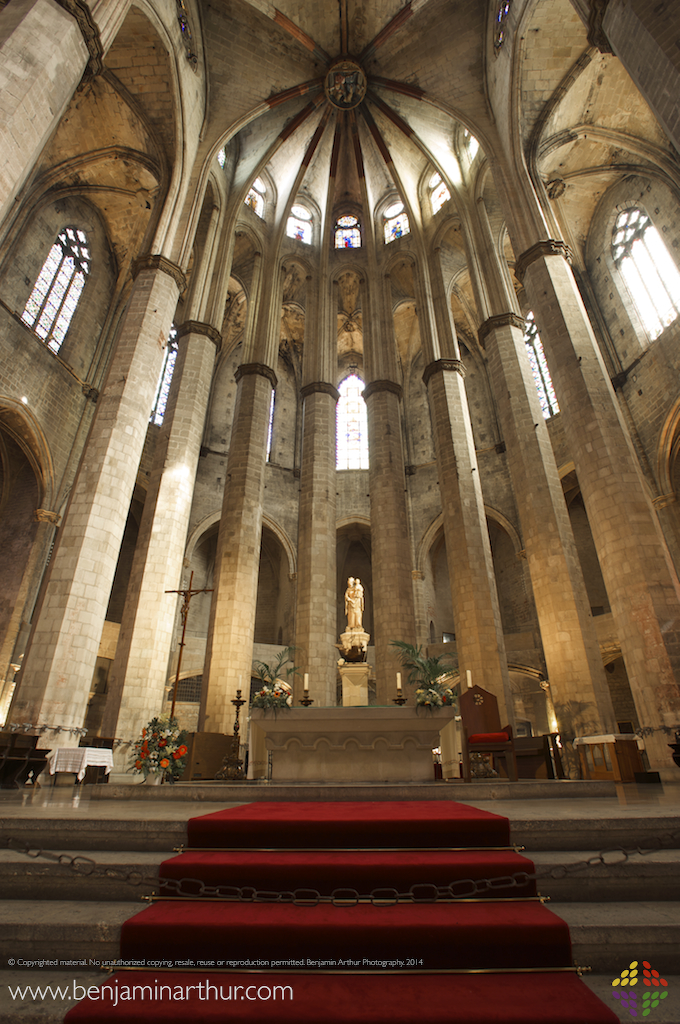
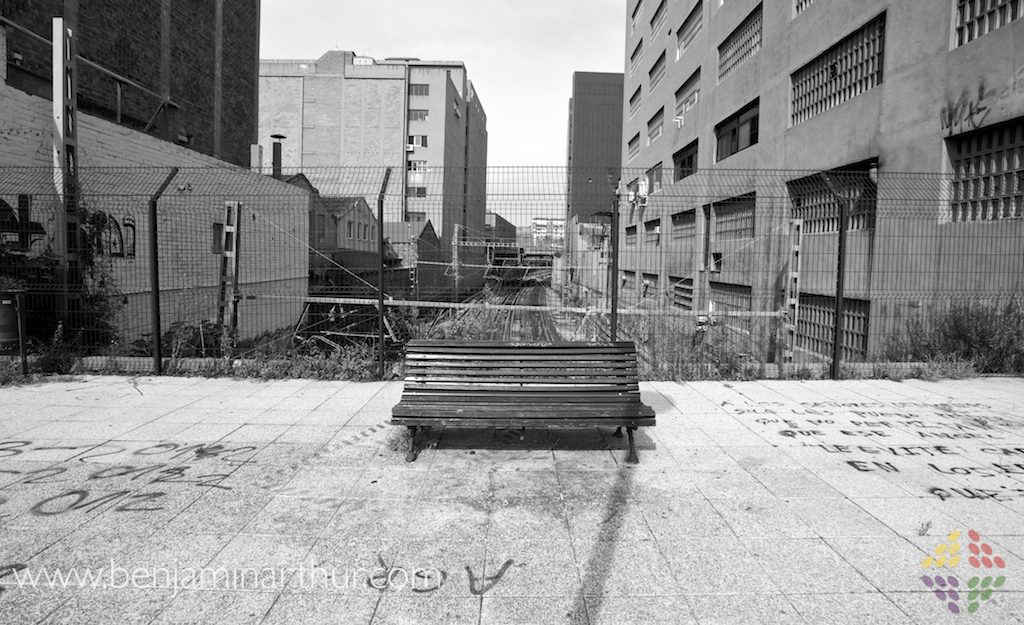
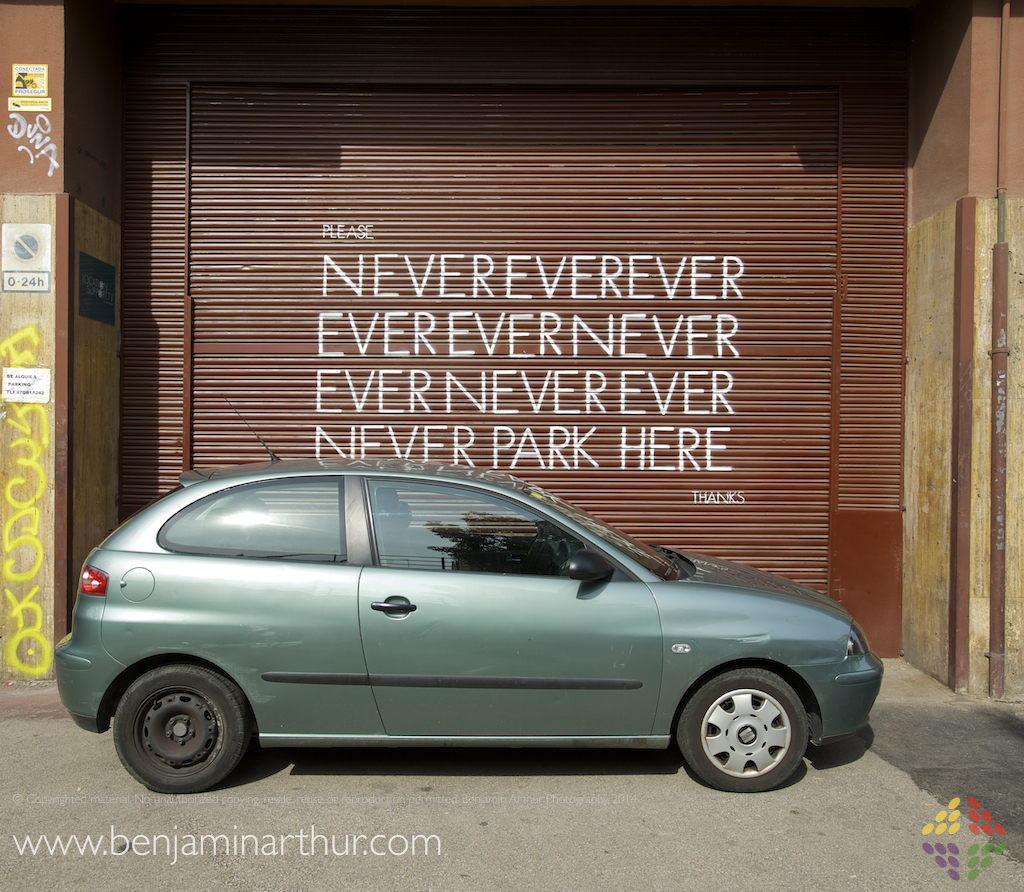
A few months back we got some time to go around in Barcelona for a quick vacation and while technically the camera for me would be carrying my work around, I could not keep my hands off it throughout the time. How I love photography!
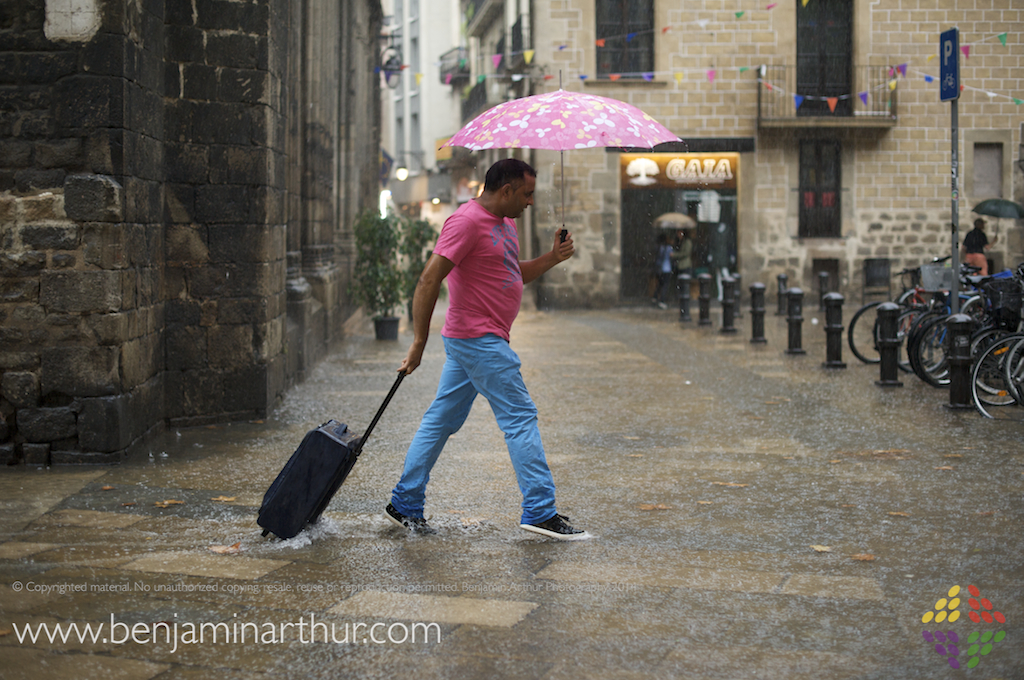
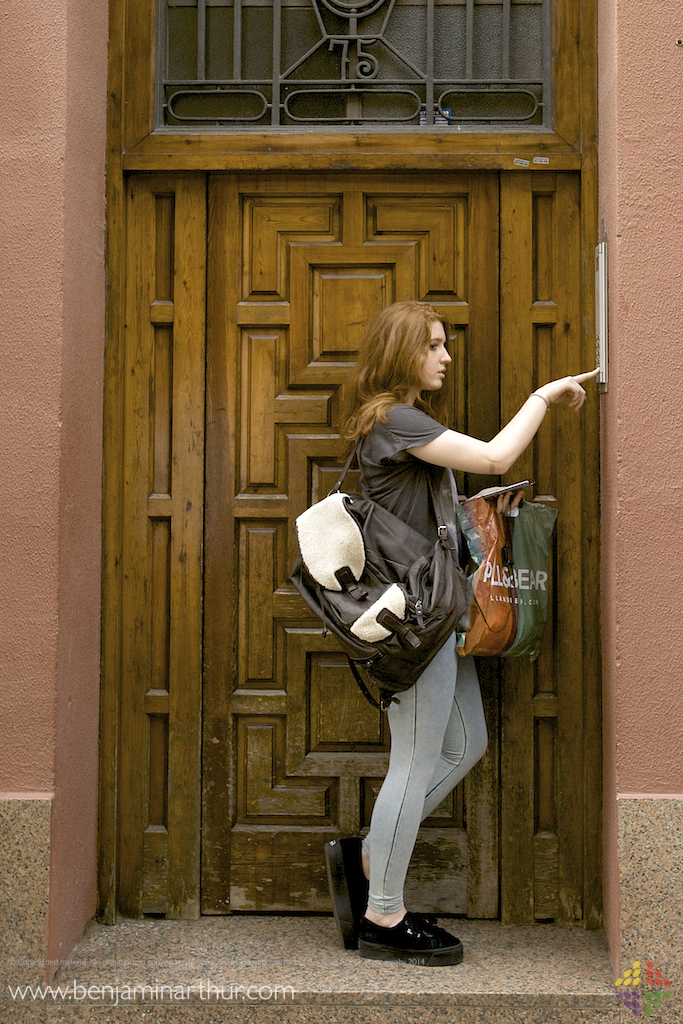
Walking around in the streets of Barcelona, we got to see some beautiful sights. While we did do the traditional circuit of things to see and do in Barcelona, what we loved the most was the life on the streets of the wonderful city. From girls getting into an impromptu dance in the rain to beautiful elders walking around the streets, we saw and got to capture some amazing candid moments.
I do always believe, that the true essence of a city is always found in the streets, with the people of the place.
Here is a quick collection of some of the photos, which in my opinion, showcase the essence of the streets of Barcelona.
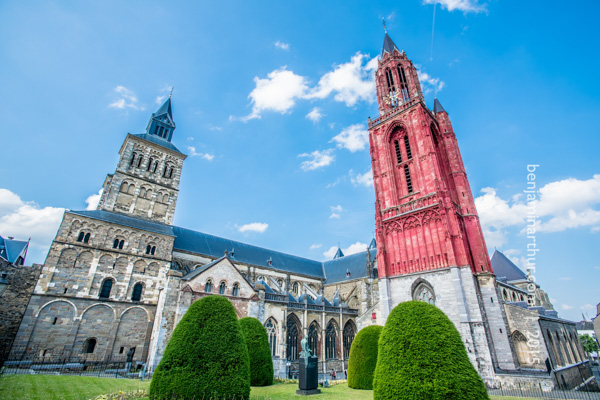
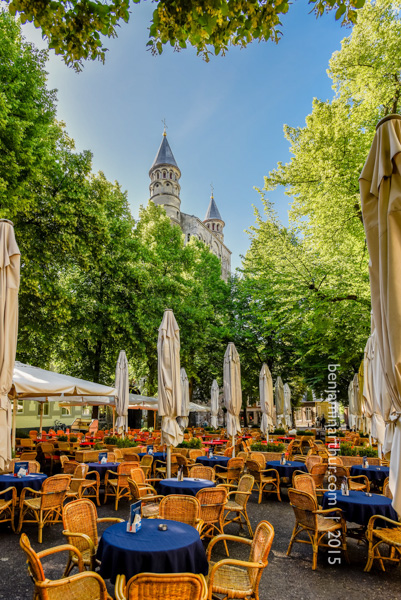
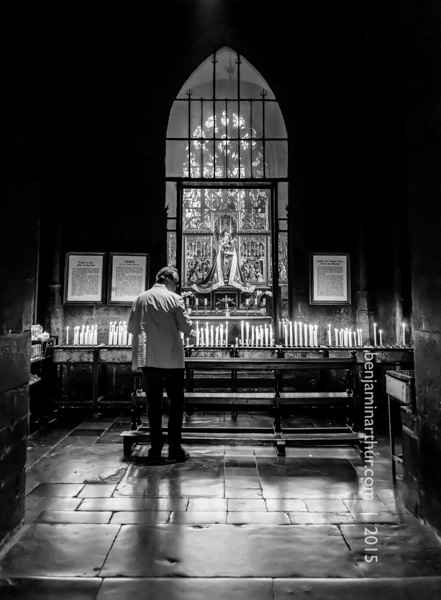
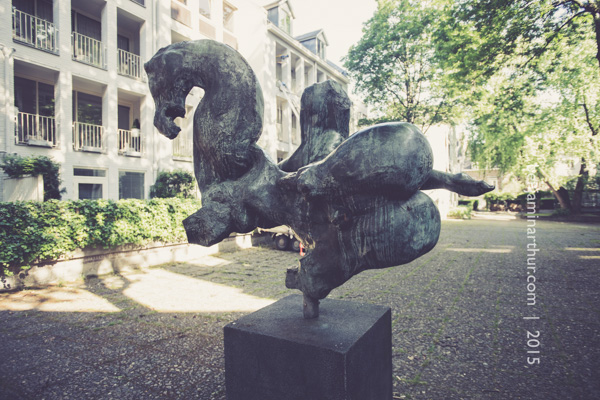
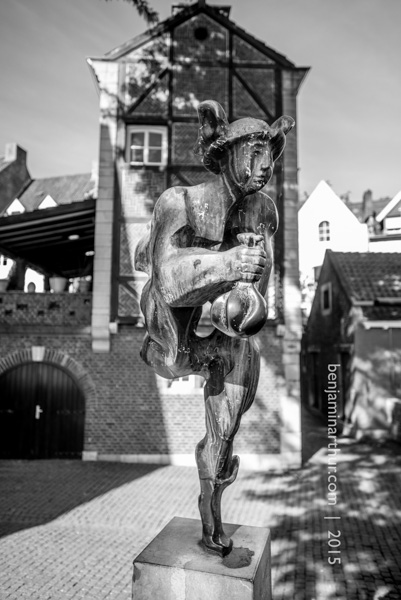
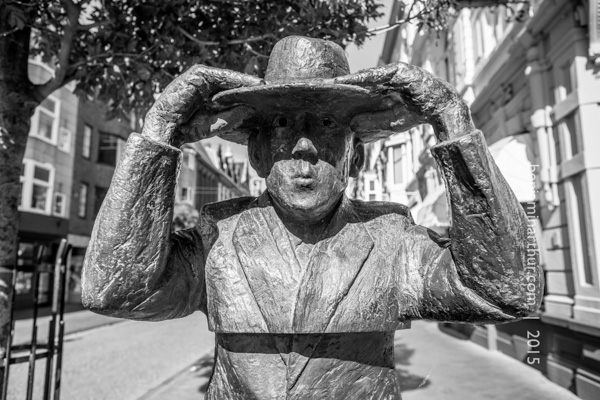
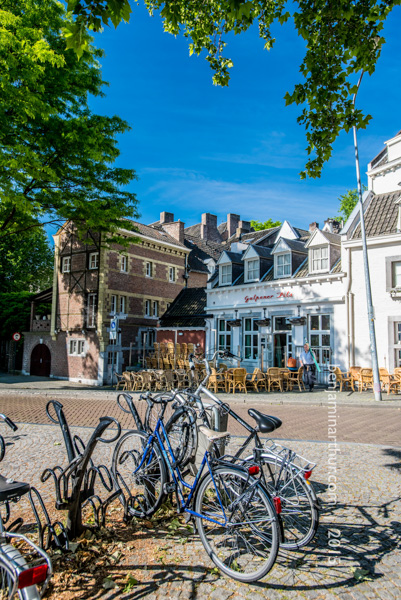
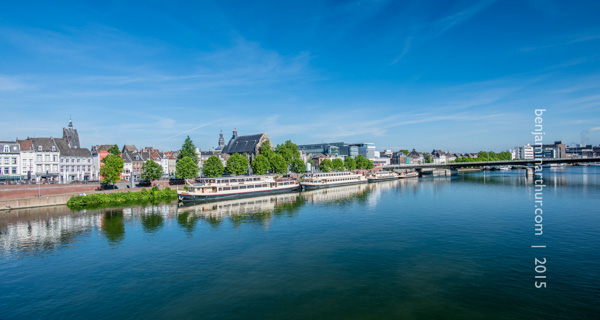
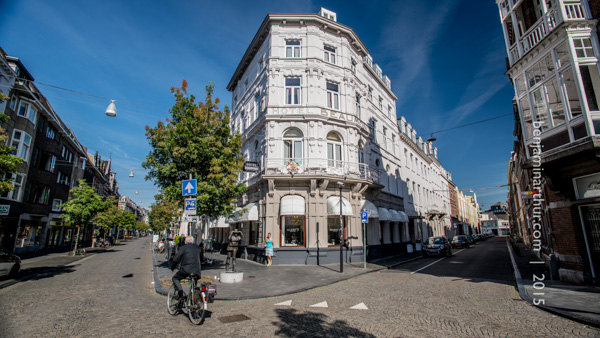
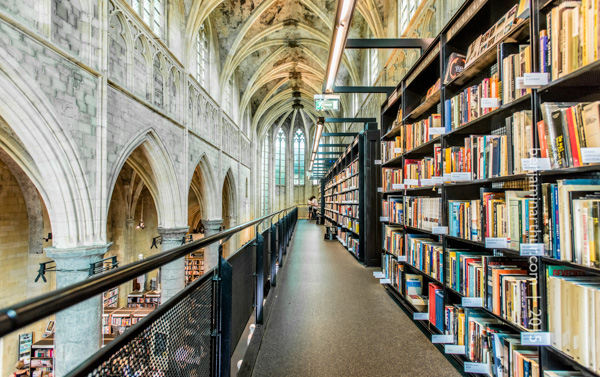
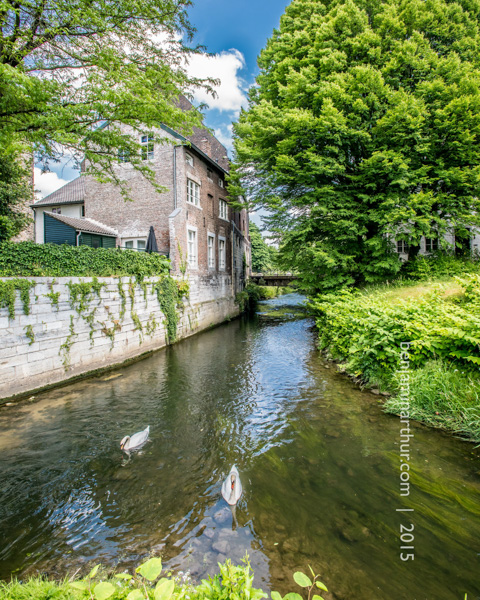
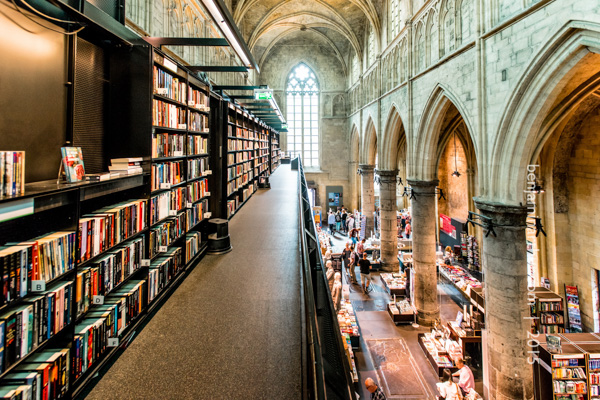
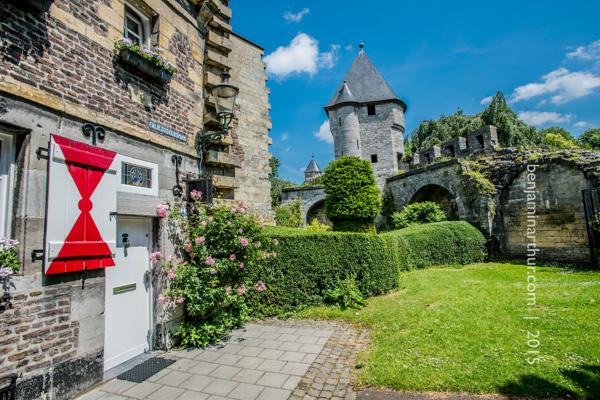
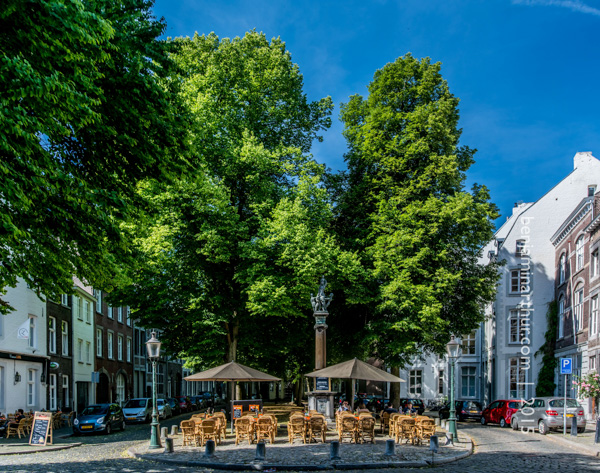
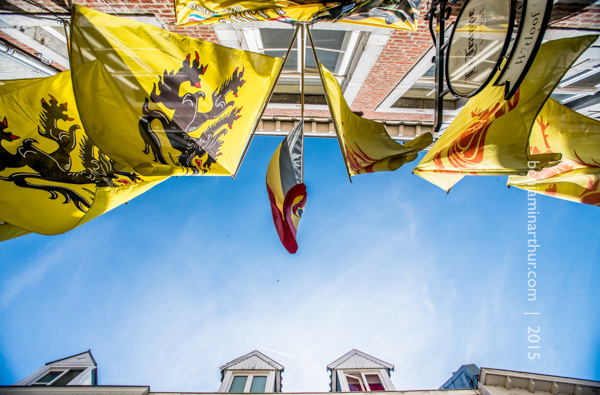
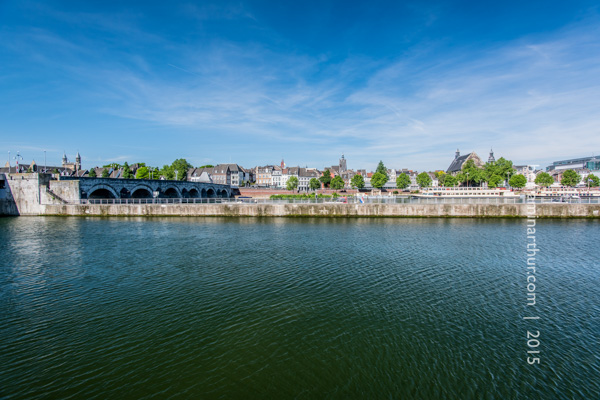
I got the chance to go to Maastricht for a few days for some work a few months back and luckily, I even got time to catch up on some much needed R&R. After getting done with my work there, I could spend a few days just roaming around in the city. This beautiful city in the south of the Netherlands, keeps surprising me with its vivacity.
Street photography – Maastricht
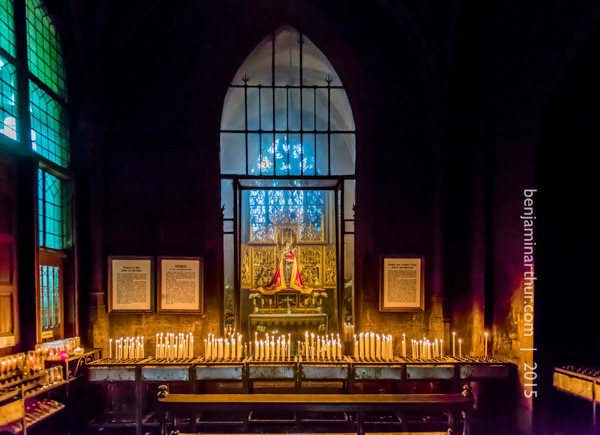
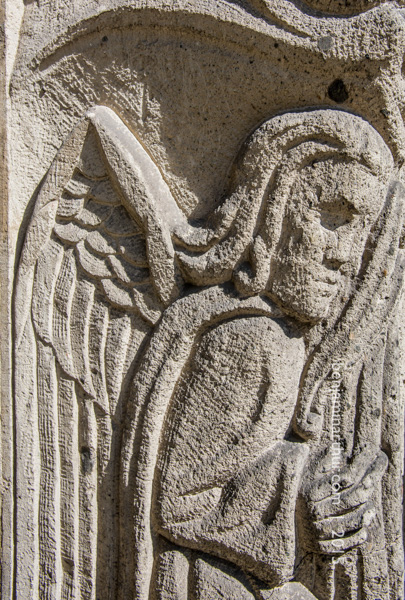
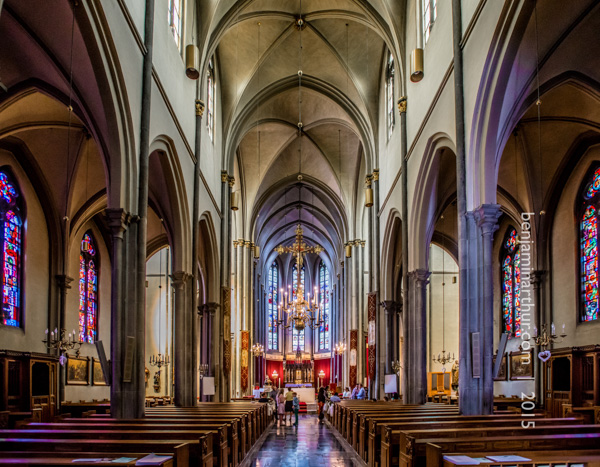
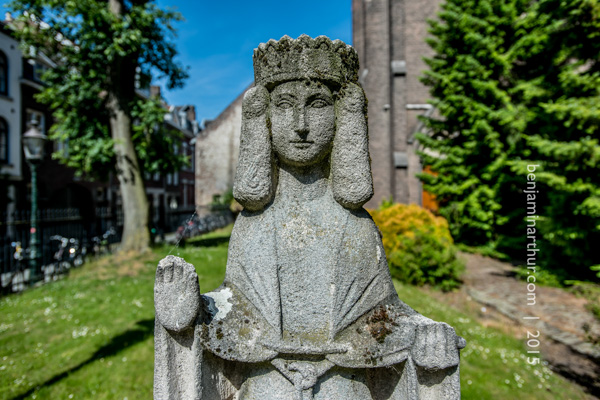
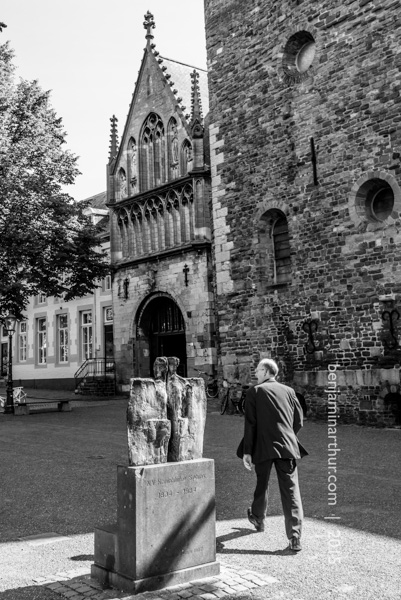
Walking around in Maastricht, I got to see and capture the difference influences of the Roman, Belgic and Dutch empires. History comes alive in the old structures and statues that are omnipresent in the city. I fell in love with the art and architecture that remains preserved in the old churches and bridges of the city. It gives of a very surreal vibe of being alive in that era.
Natural as it is for me to try and capture it all with the camera, this was the first time where I spent more time looking and experiencing all that the alleged “Oldest City in Netherlands”, had to offer.
Maastricht is certainly on my “Visit Again” list.
Here are some of my favourite shots from the trip.
Photographing love has become such a wonderful process for me to go through in this past year. I find this connection and interaction between two human beings extremely intriguing. It generally translates to me being in awe of that moment and when I do get my camera in the way, I try and make that moment as raw and natural as possible. That for me is be the only way to present love.
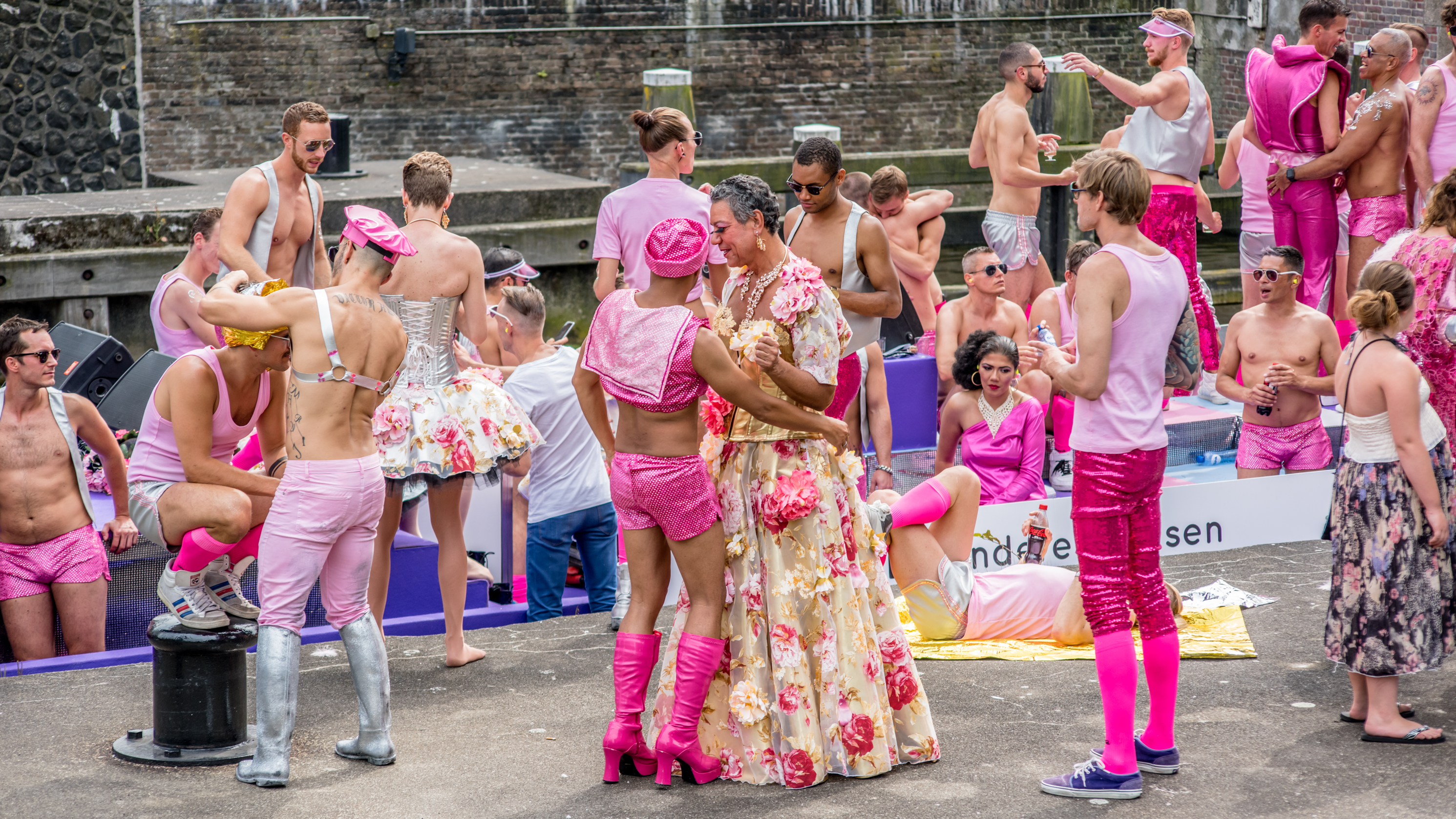
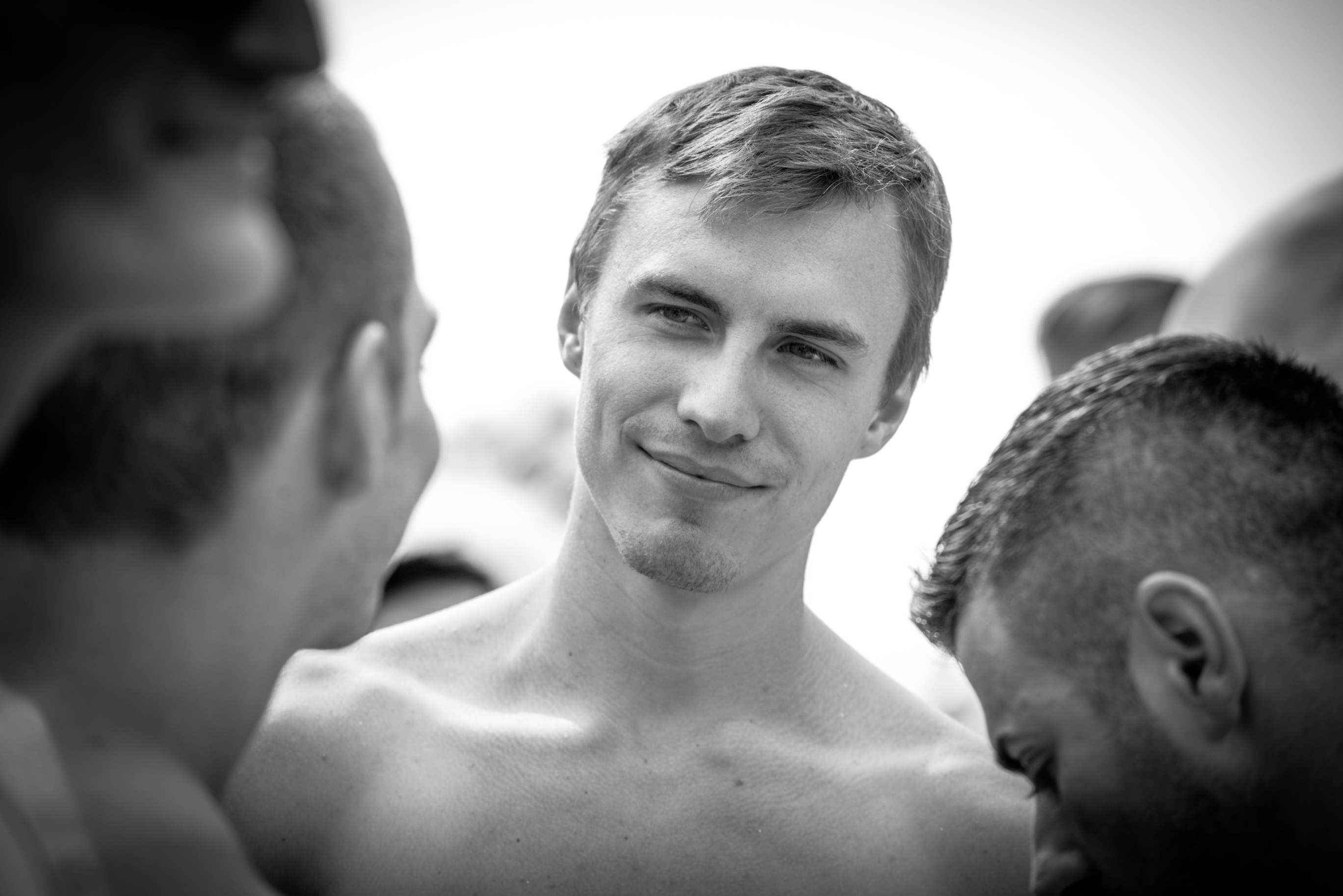
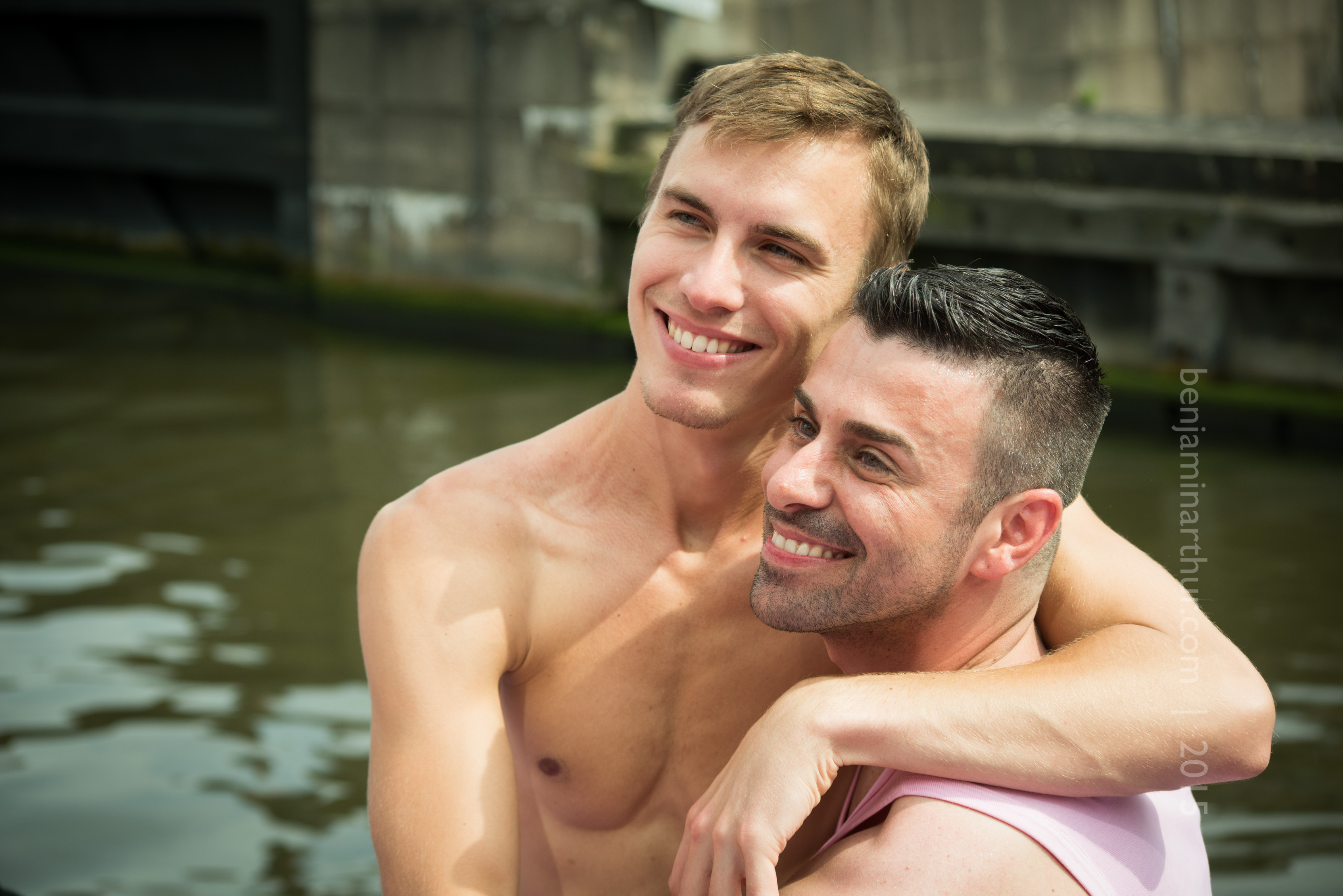
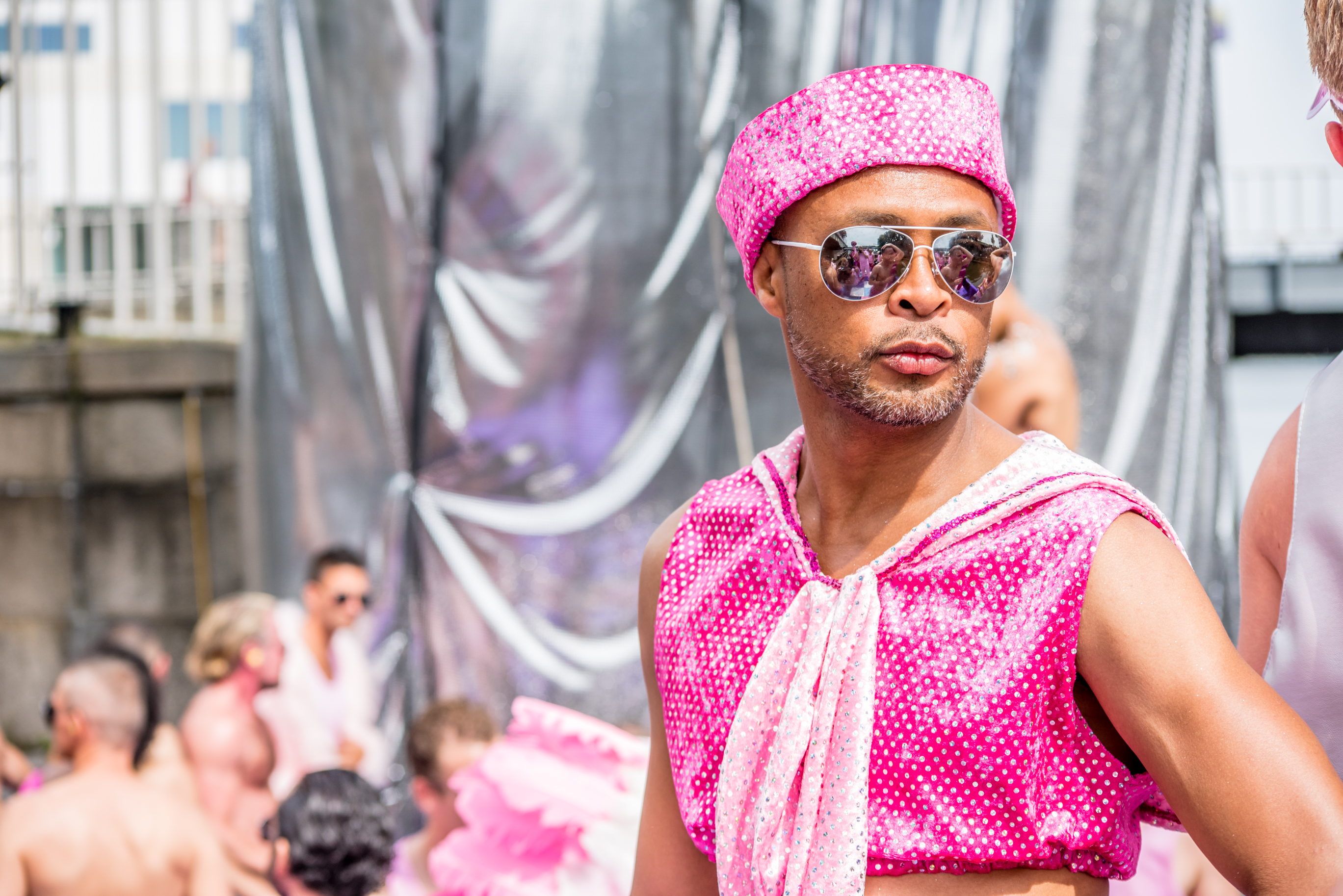
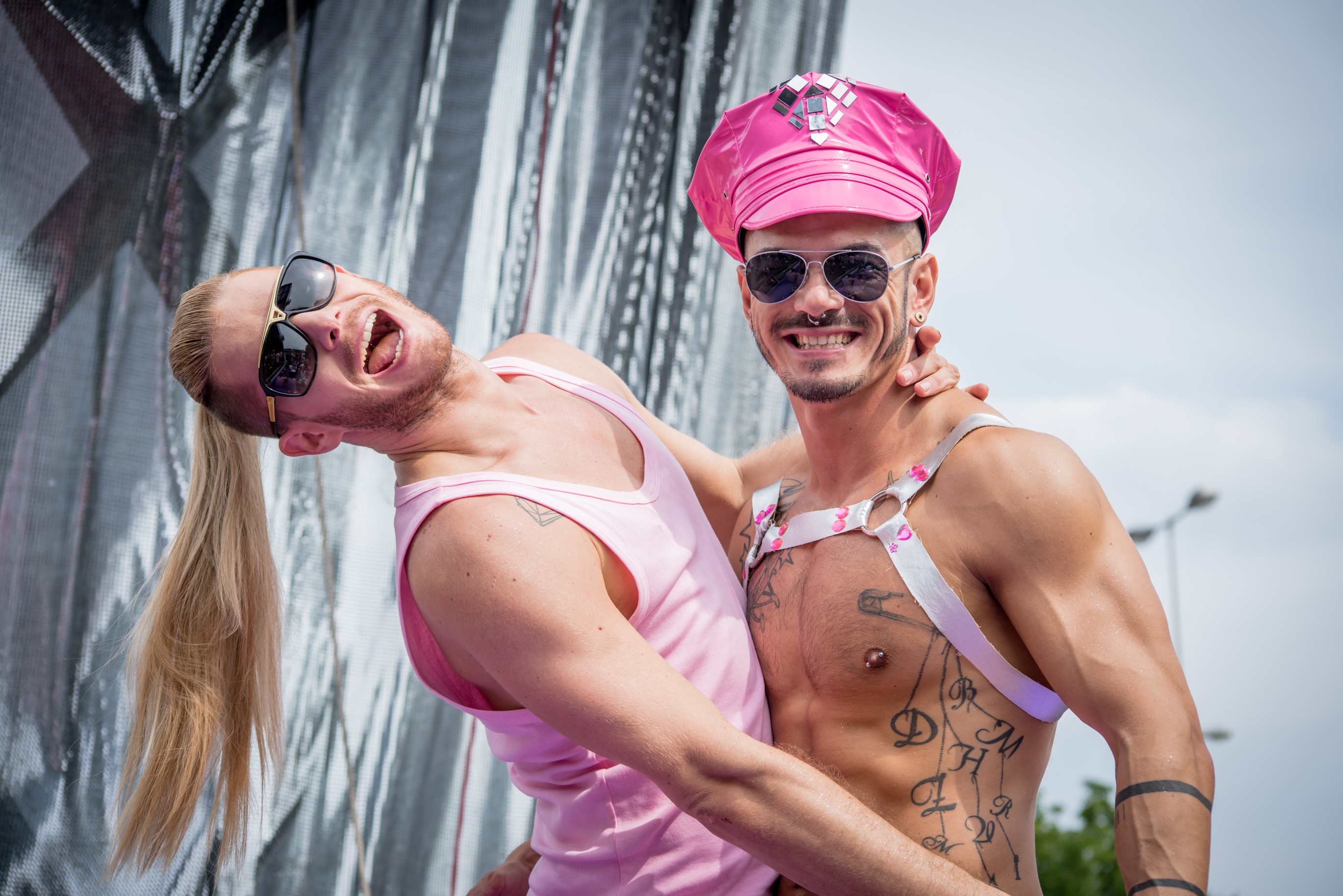
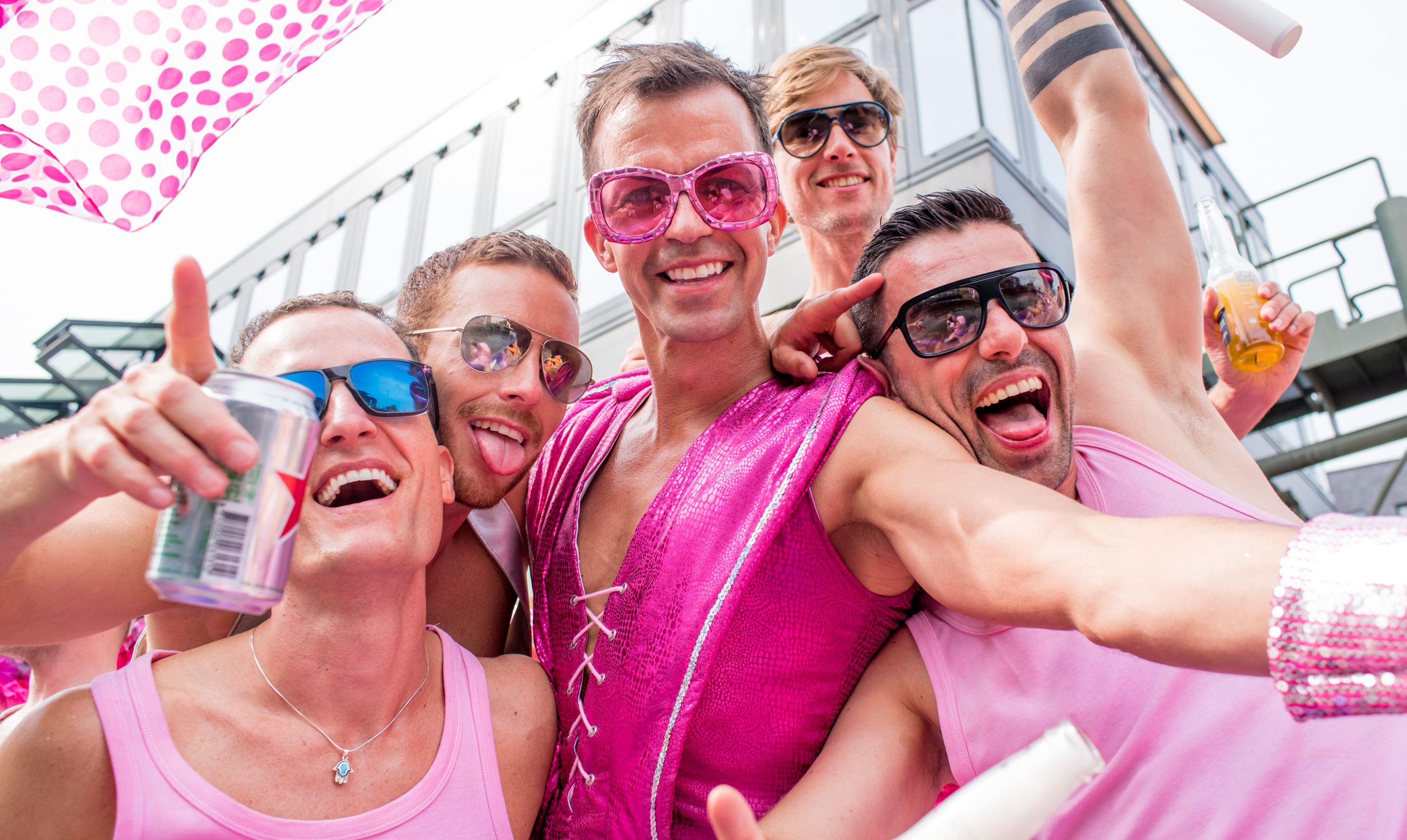
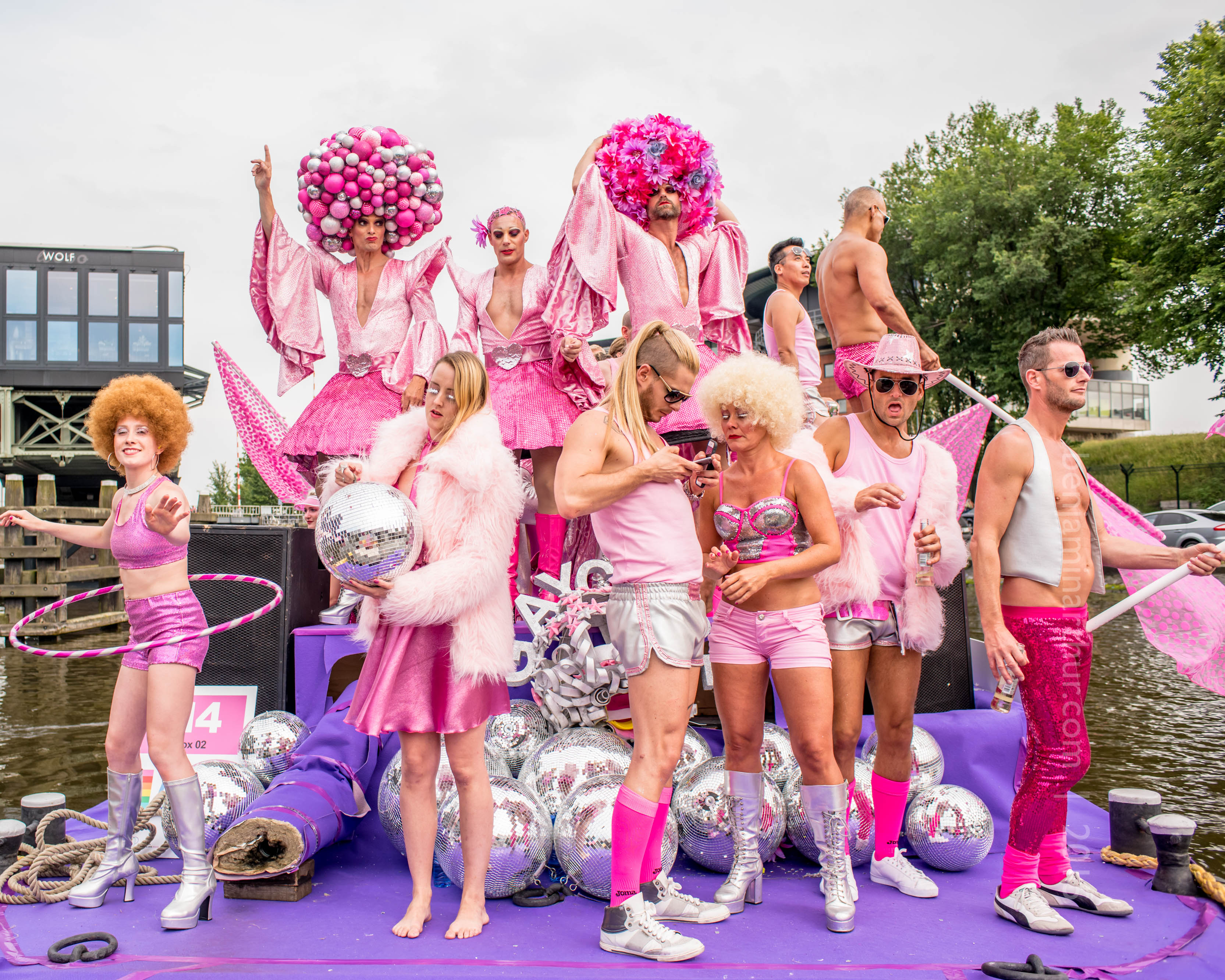
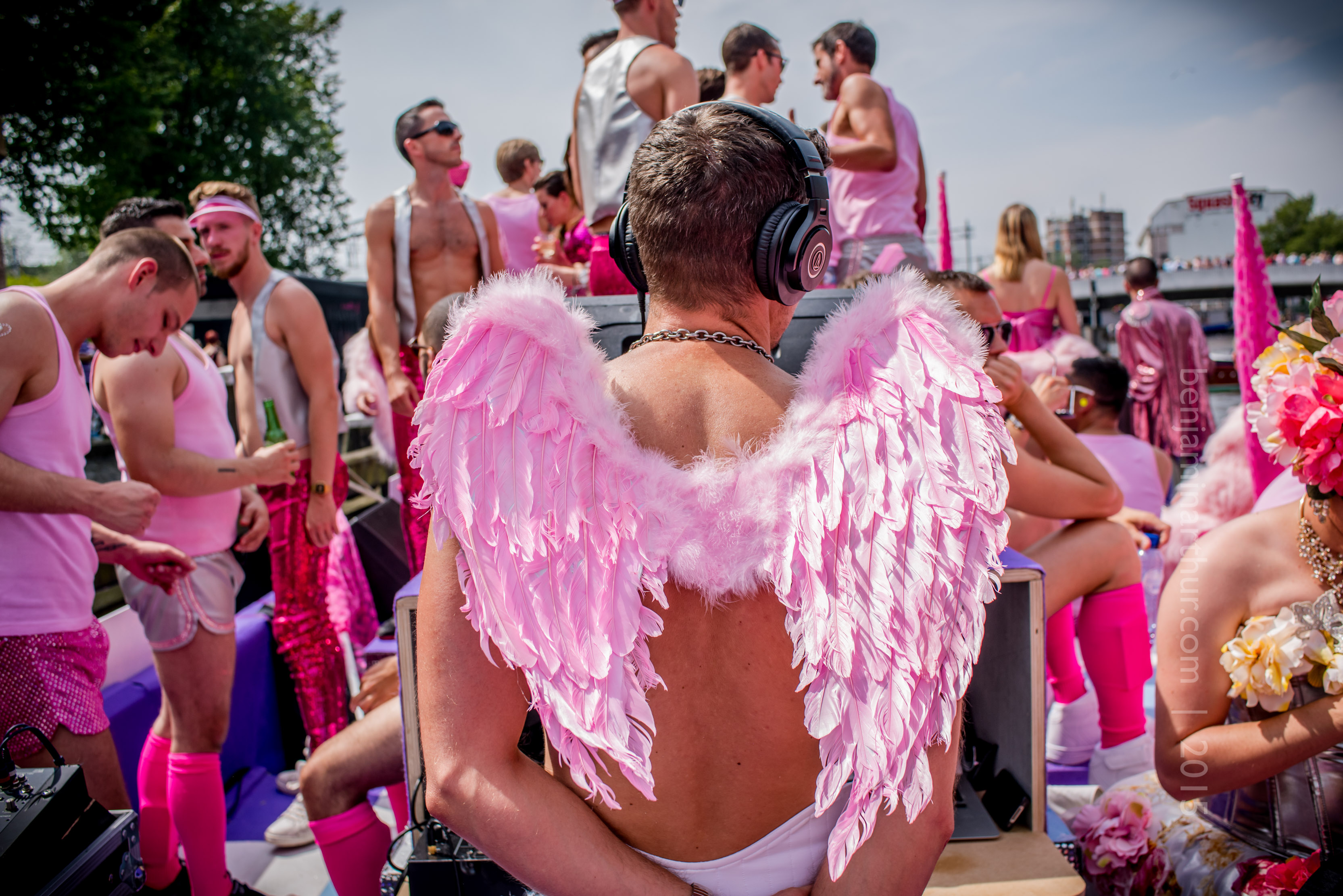
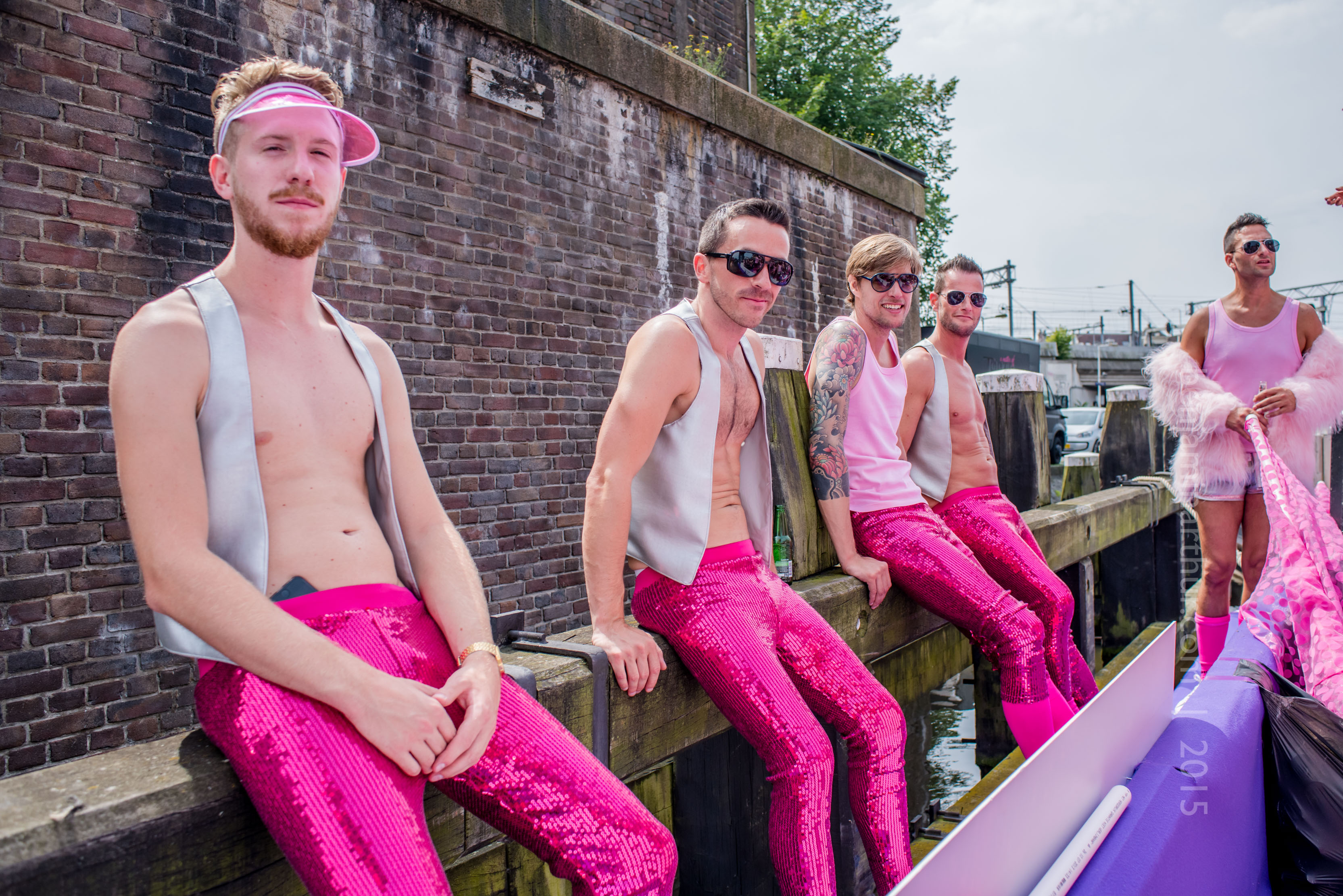
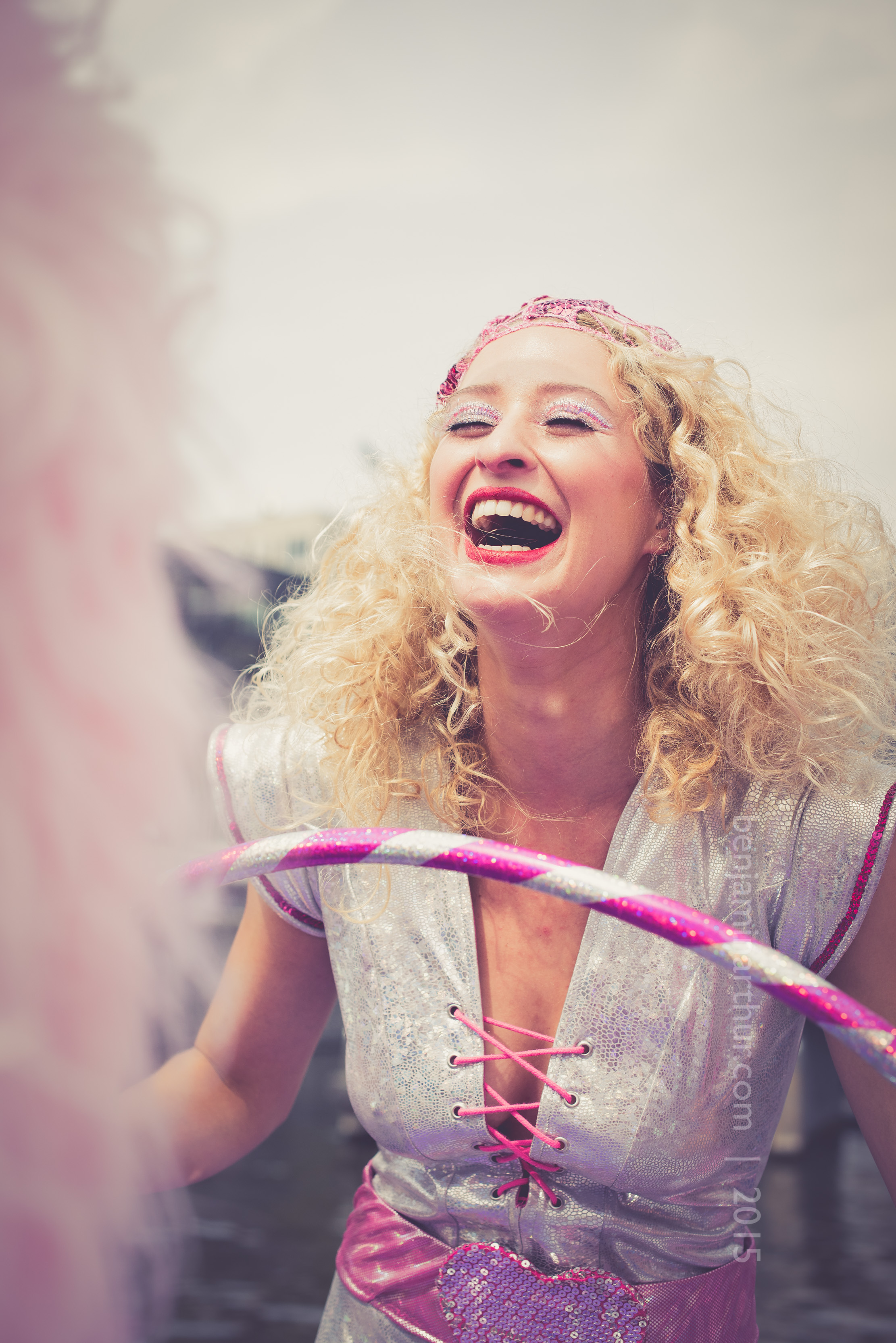
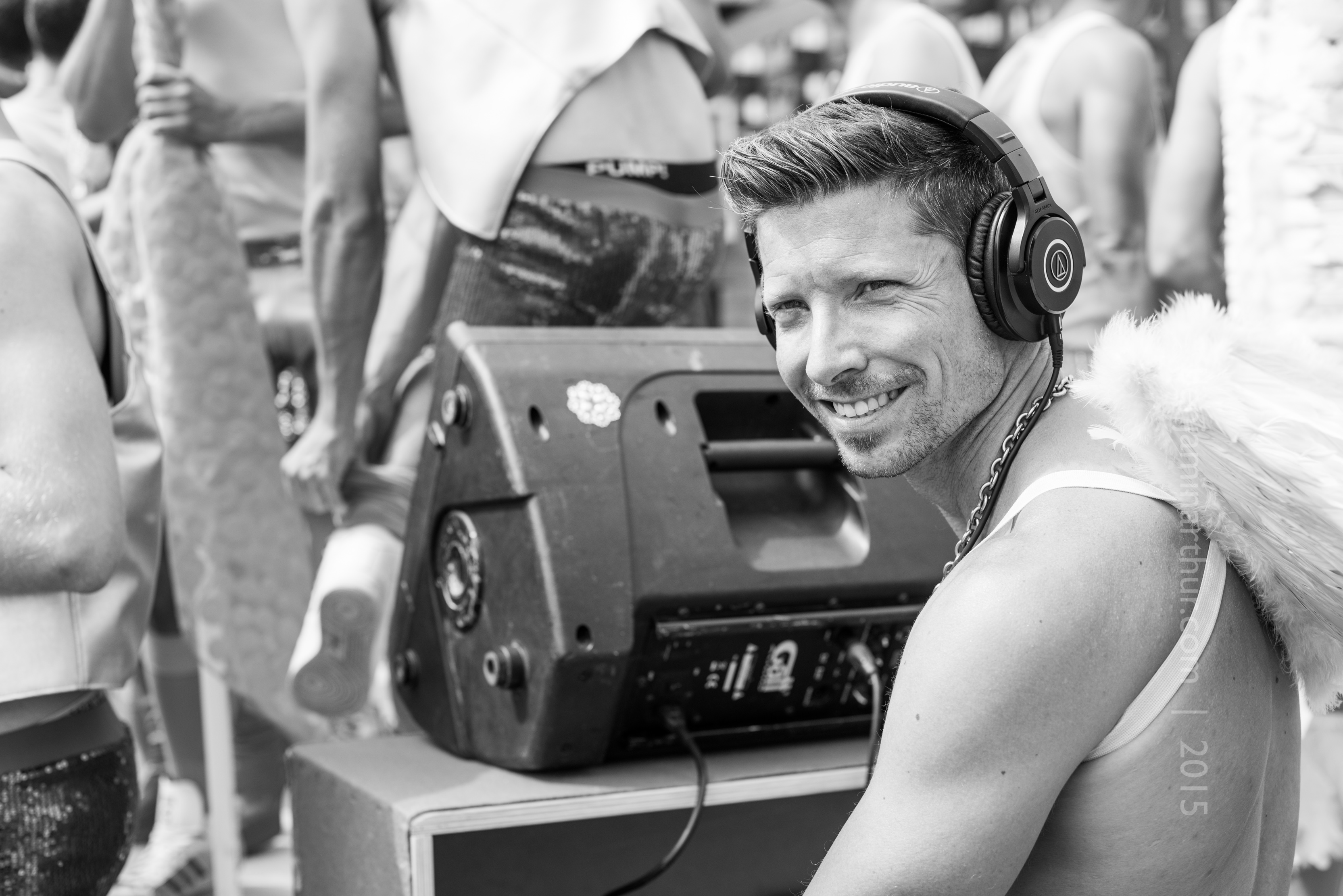
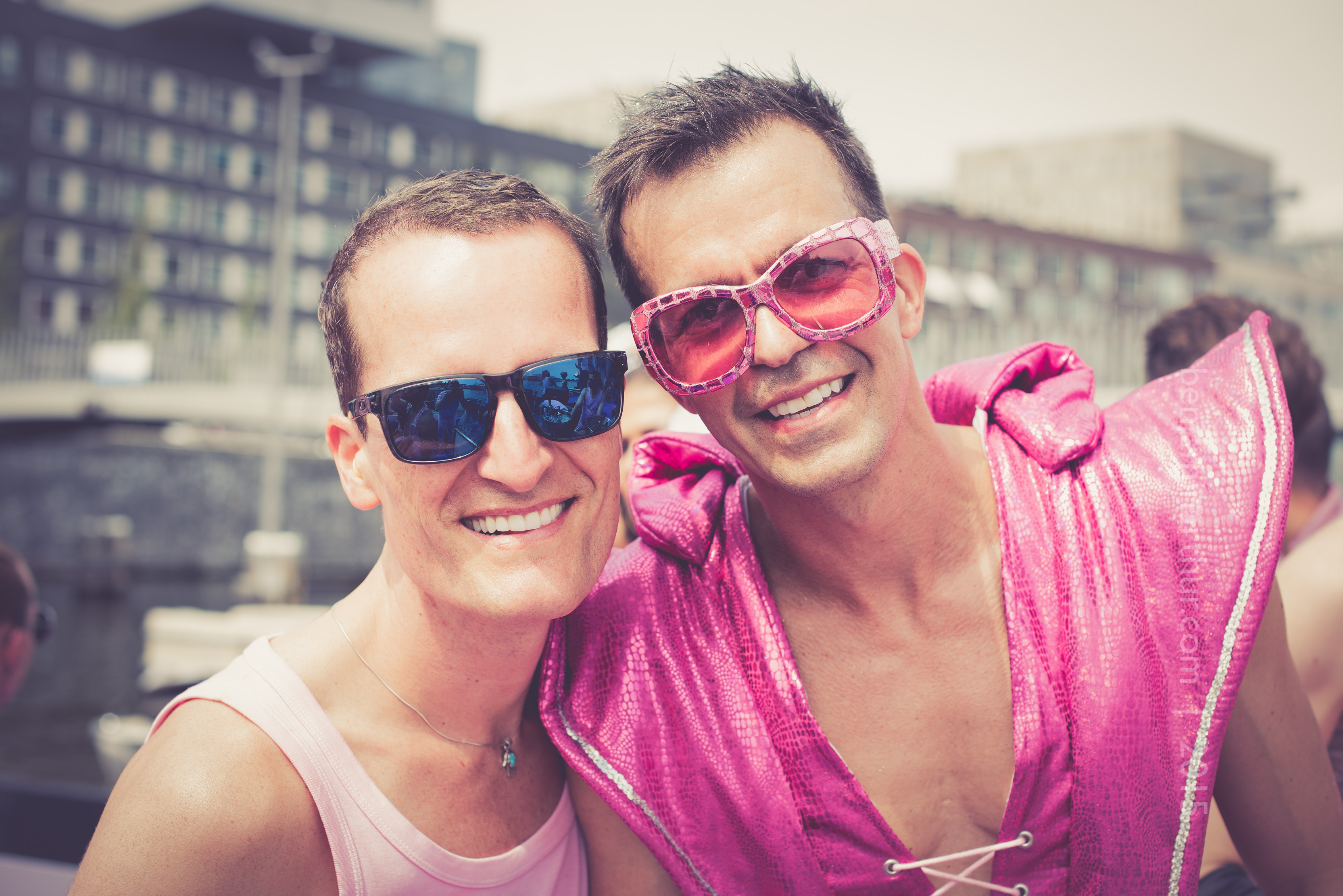
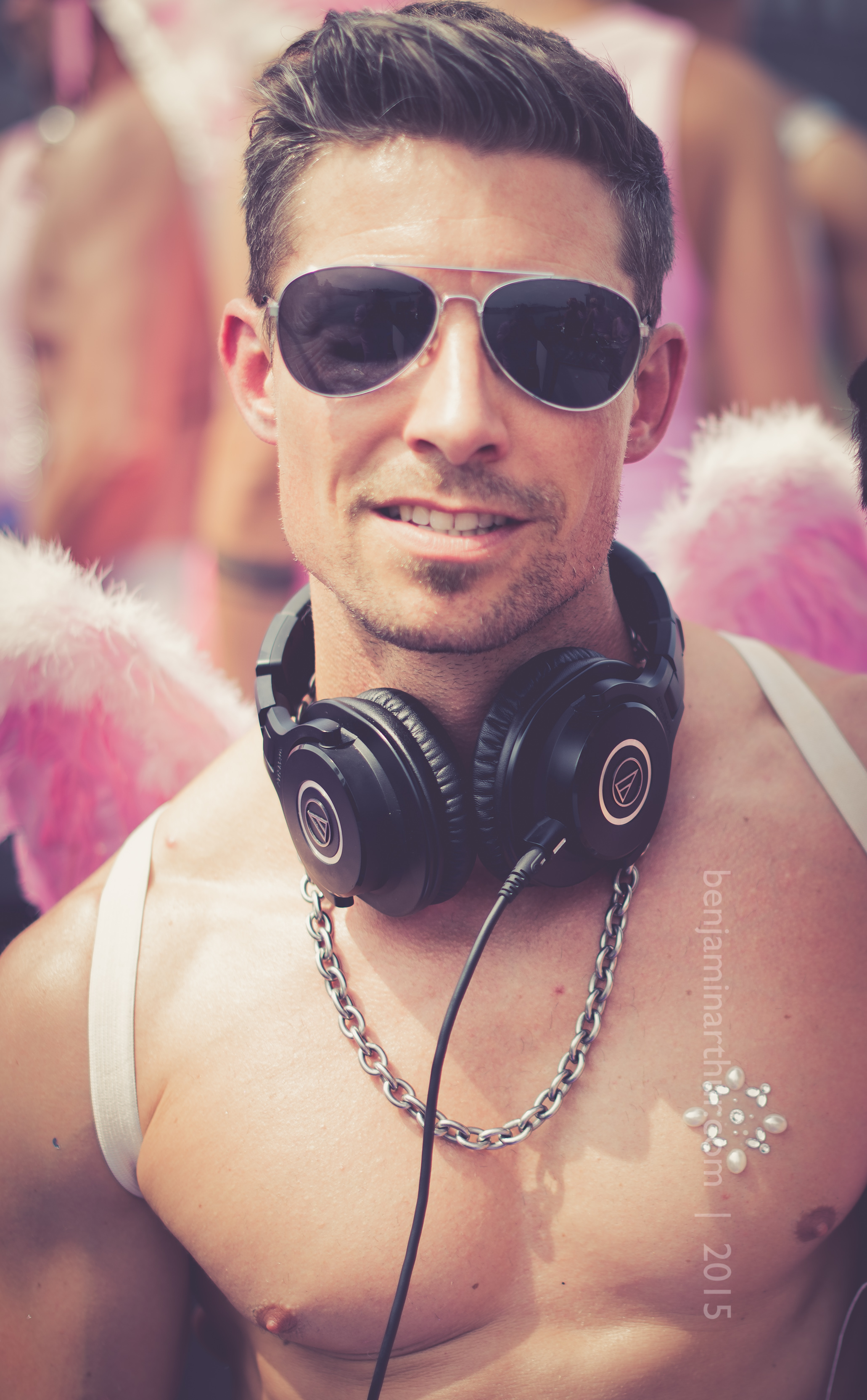
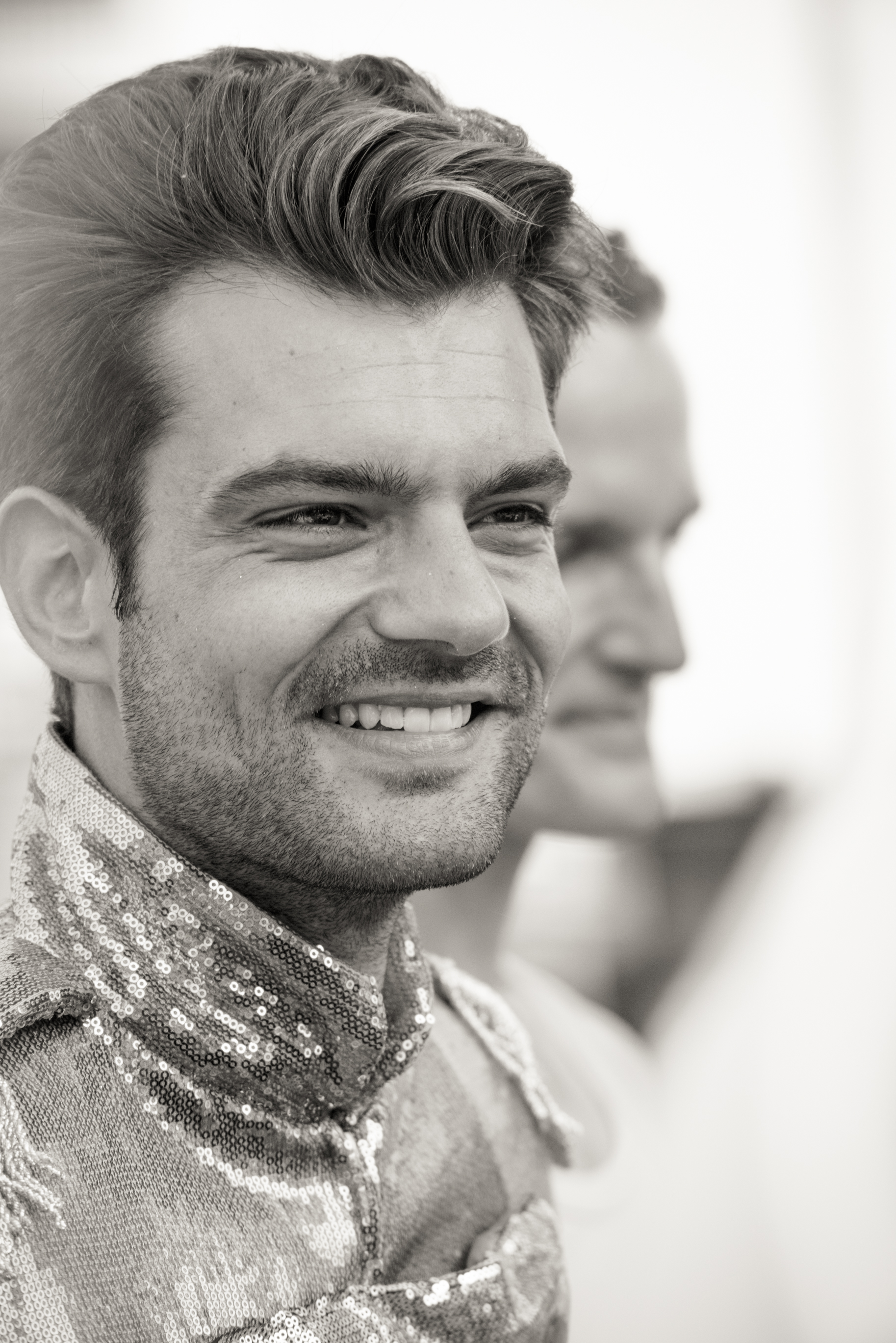
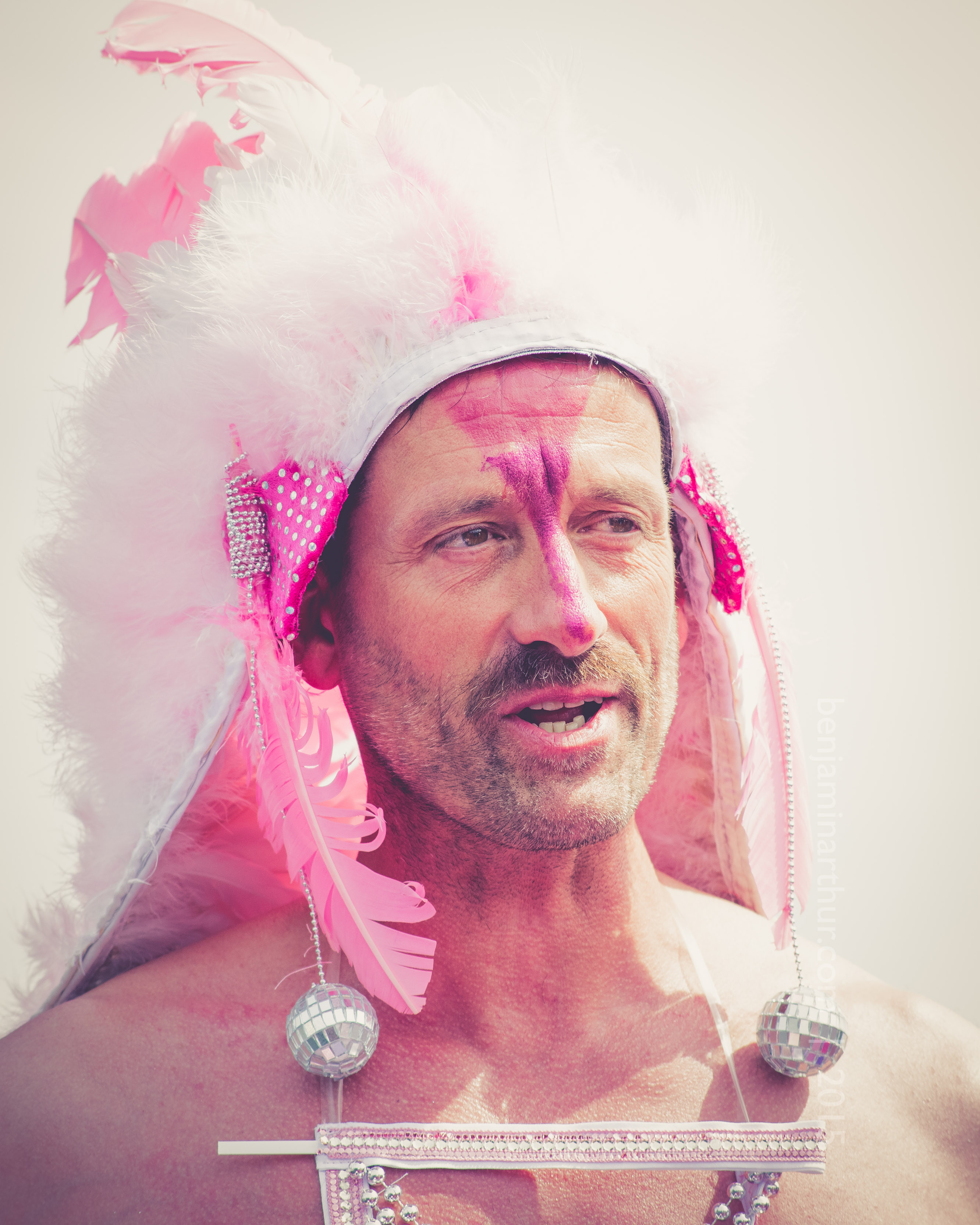
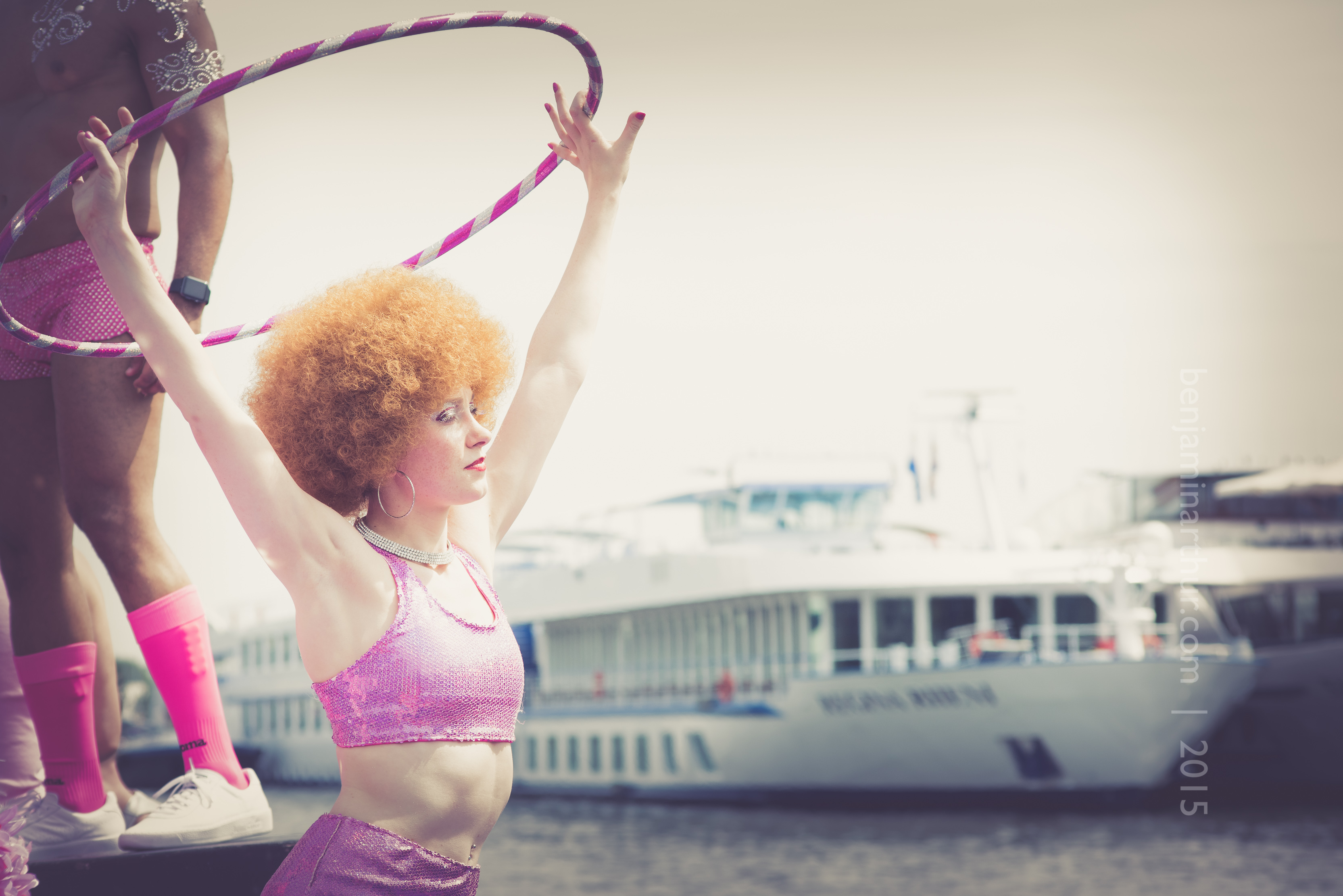
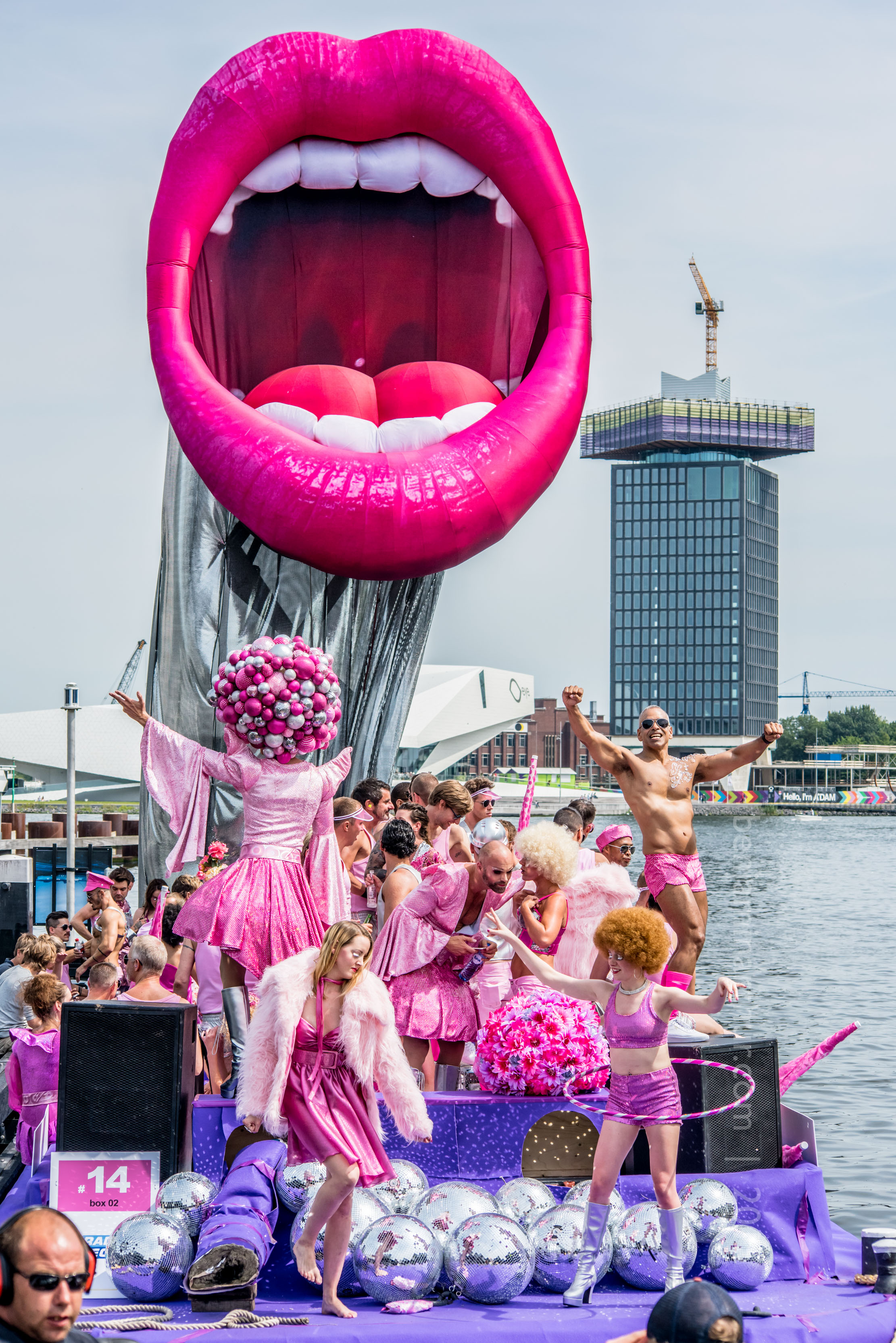
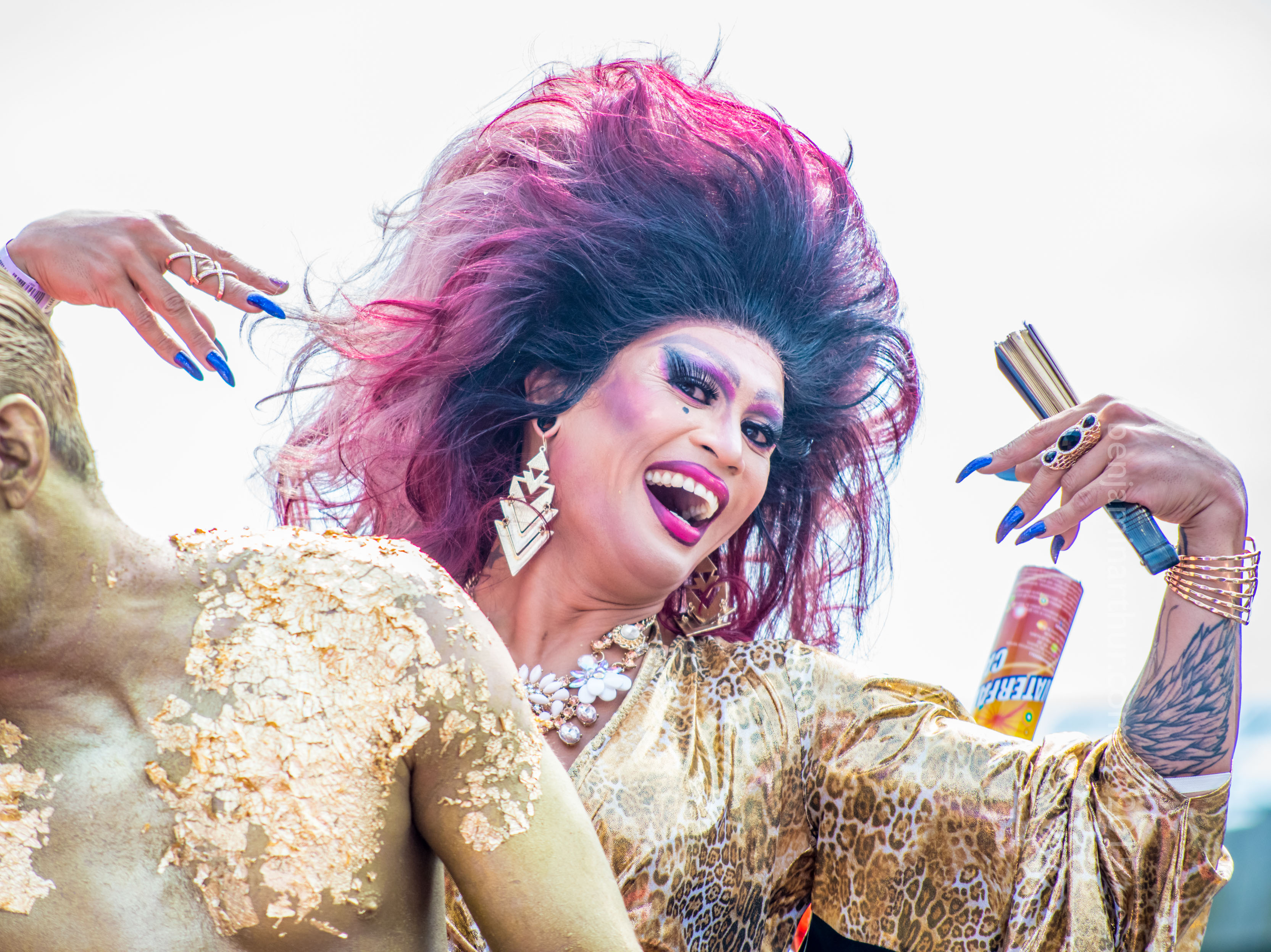
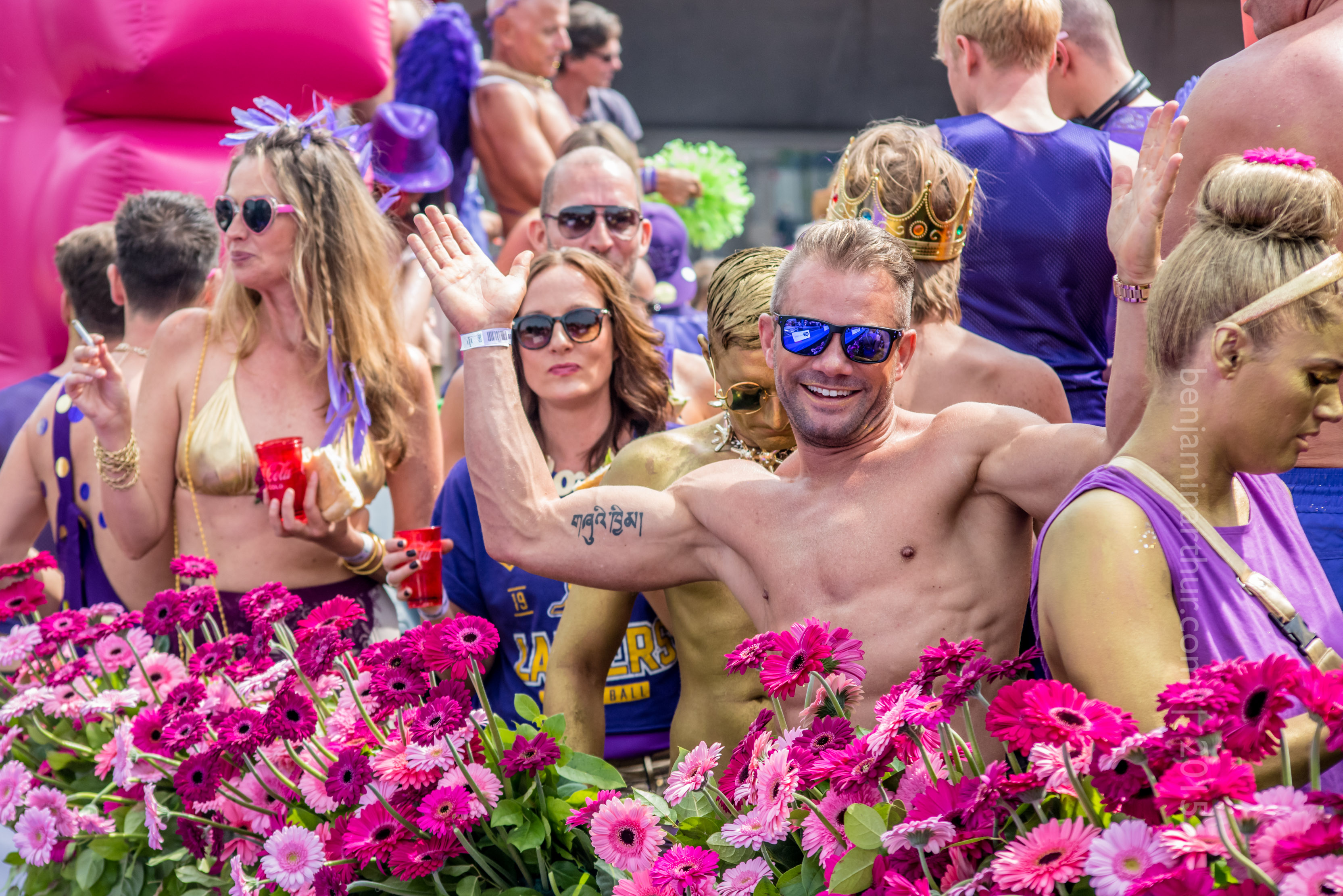
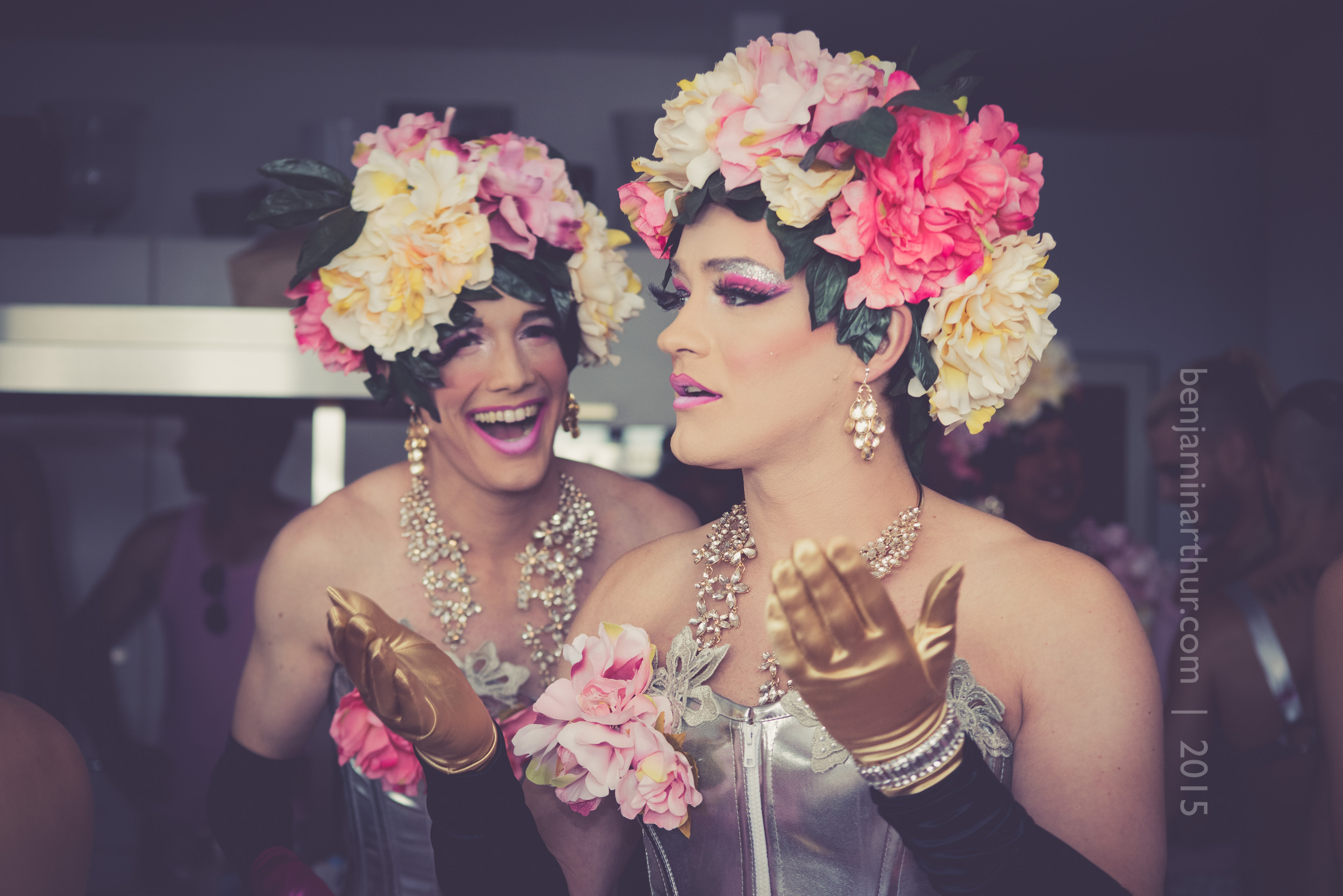
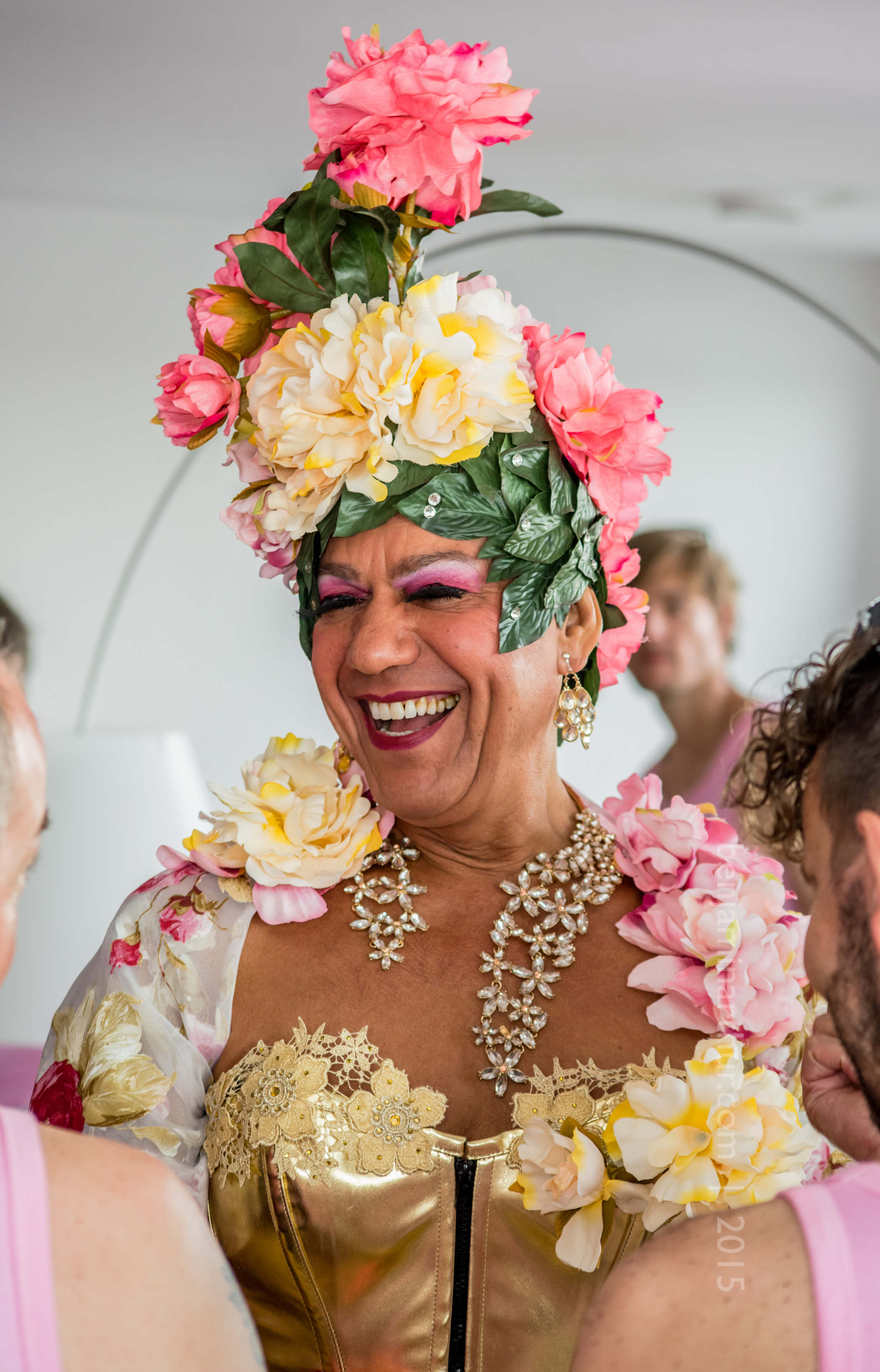
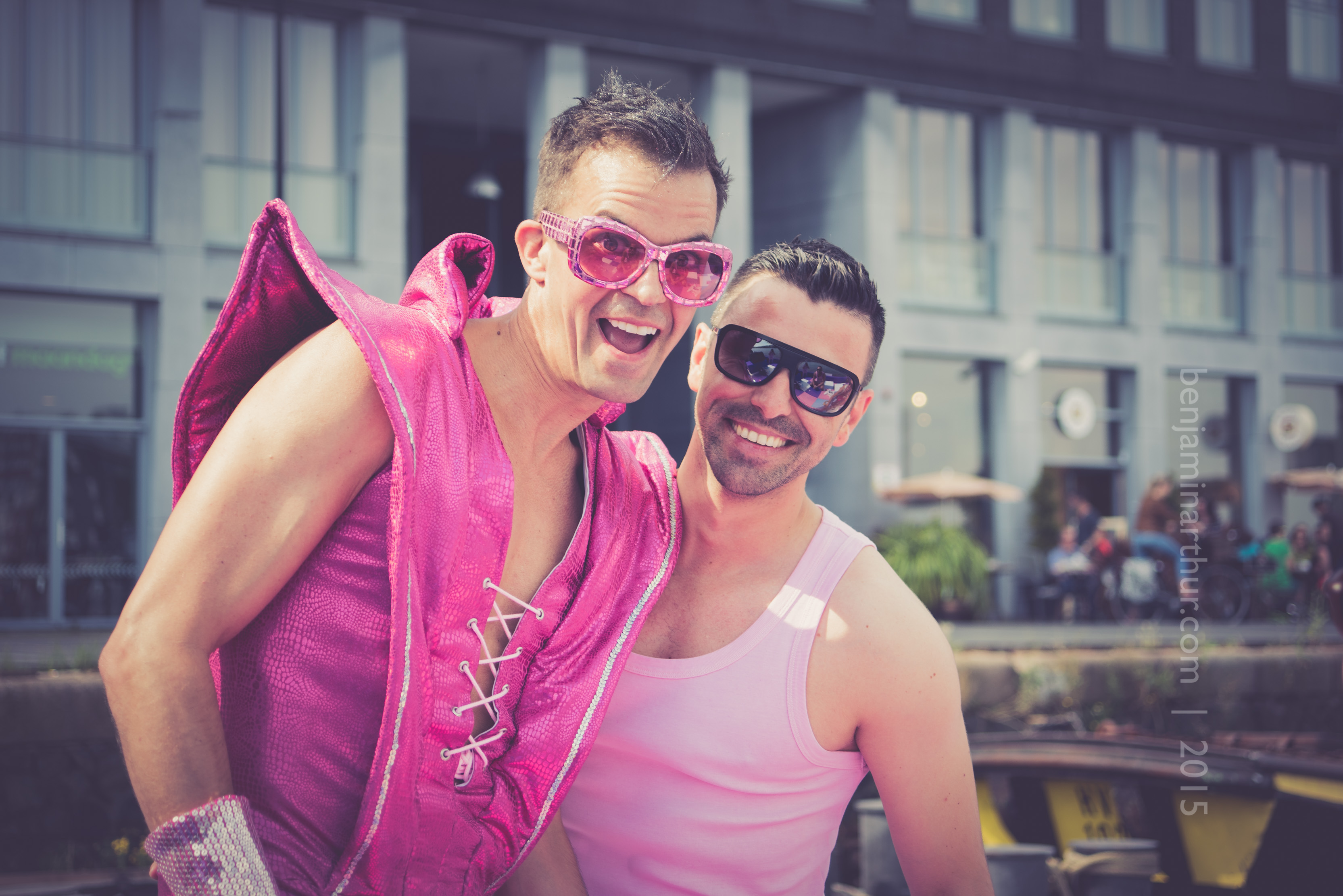
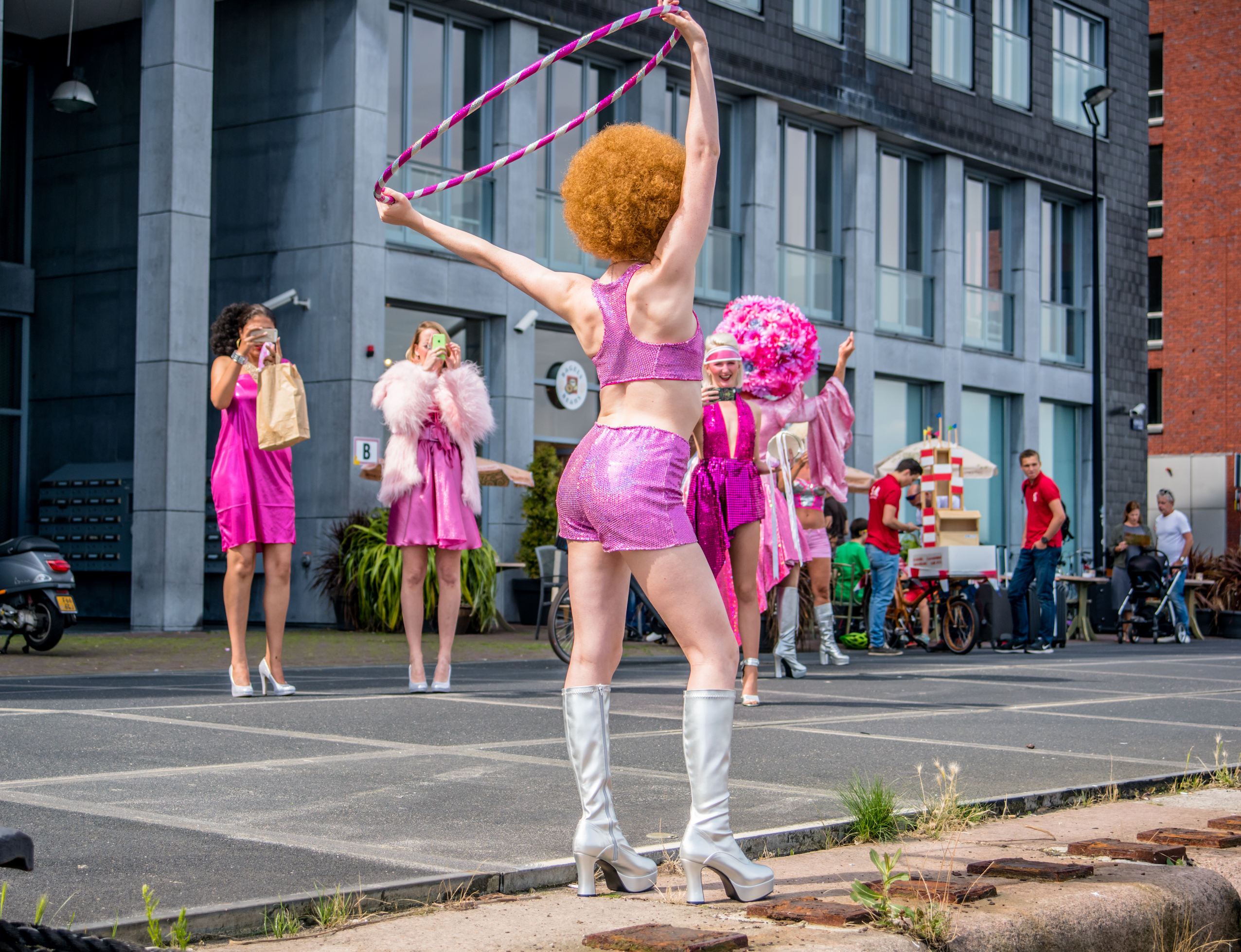
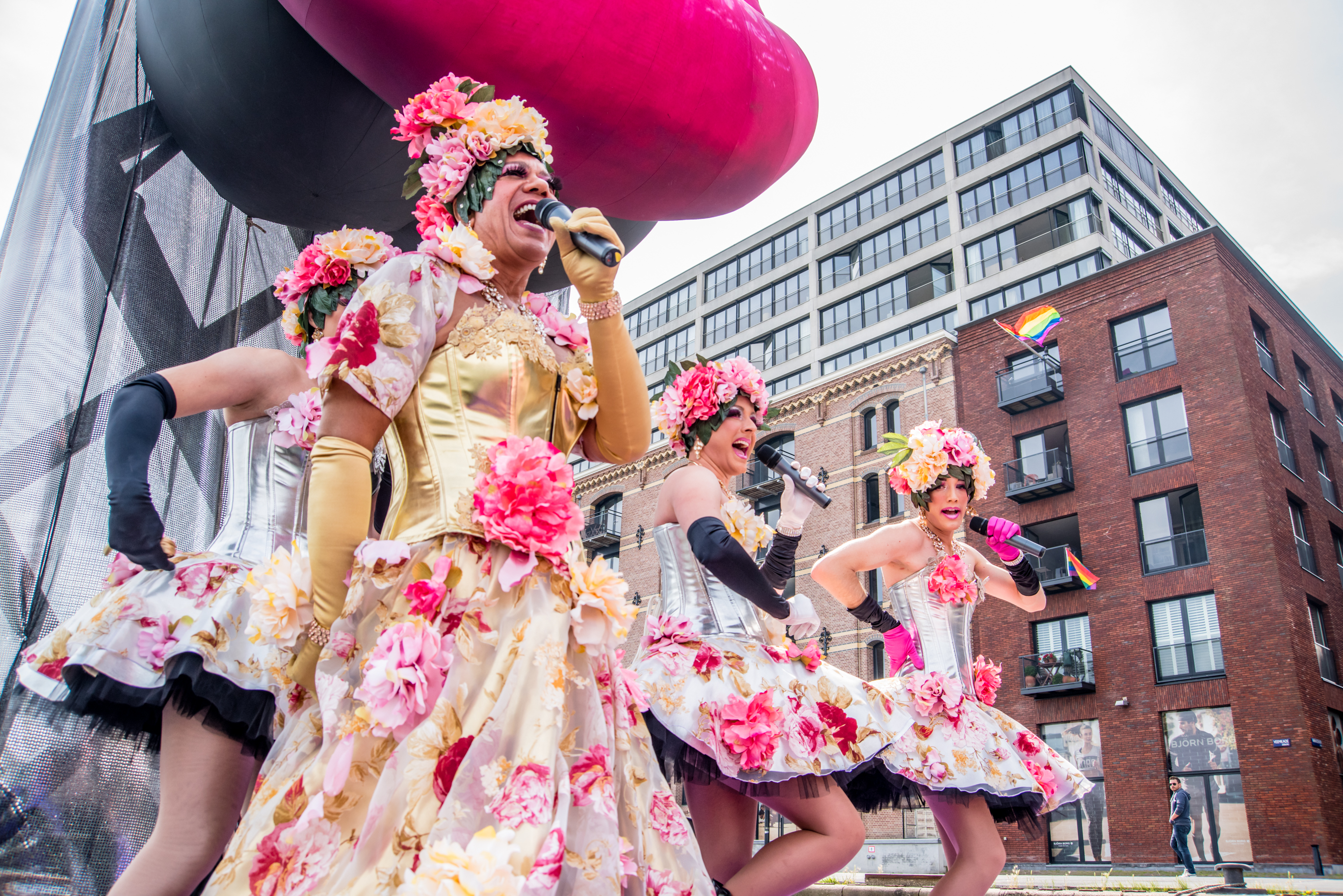
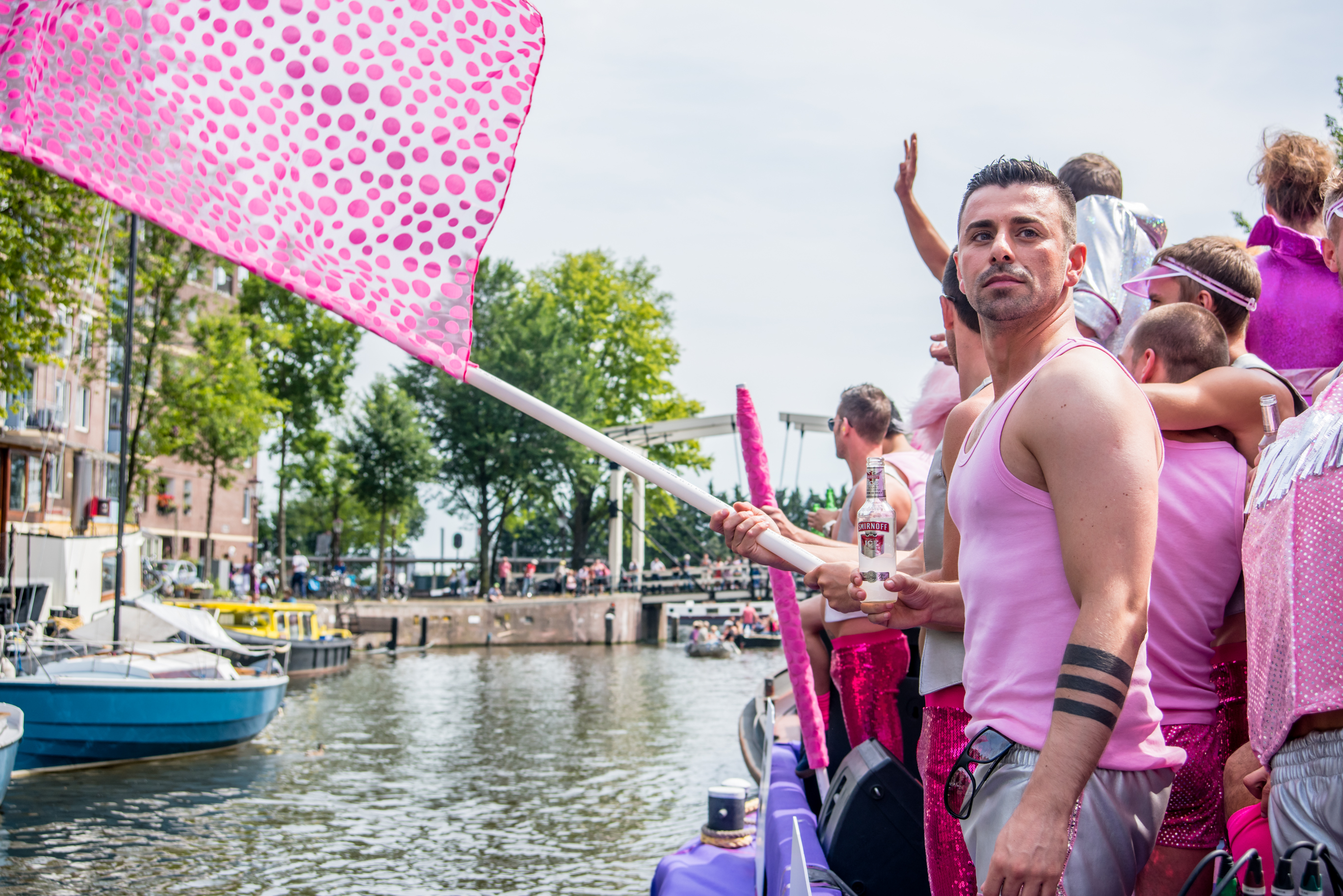
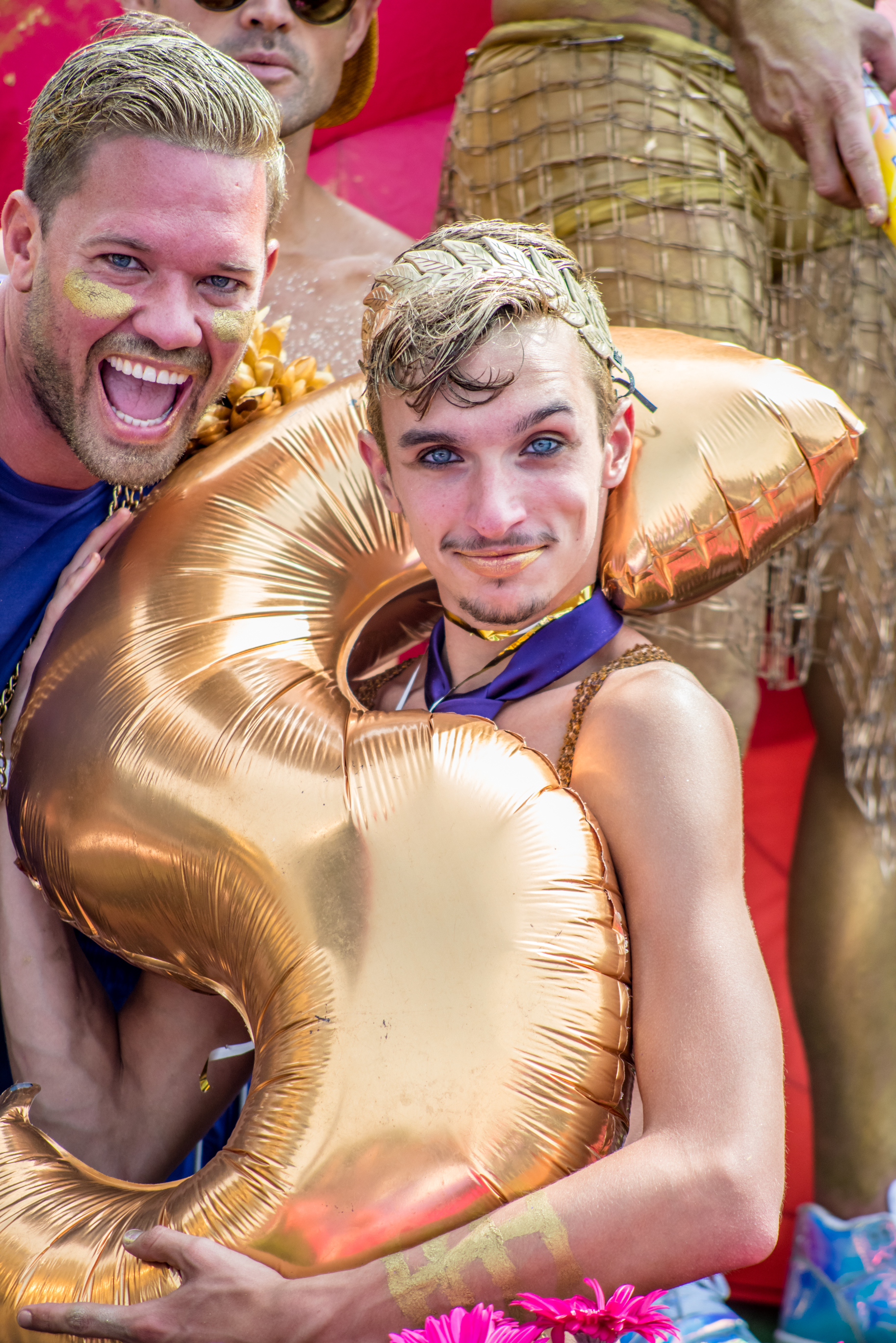
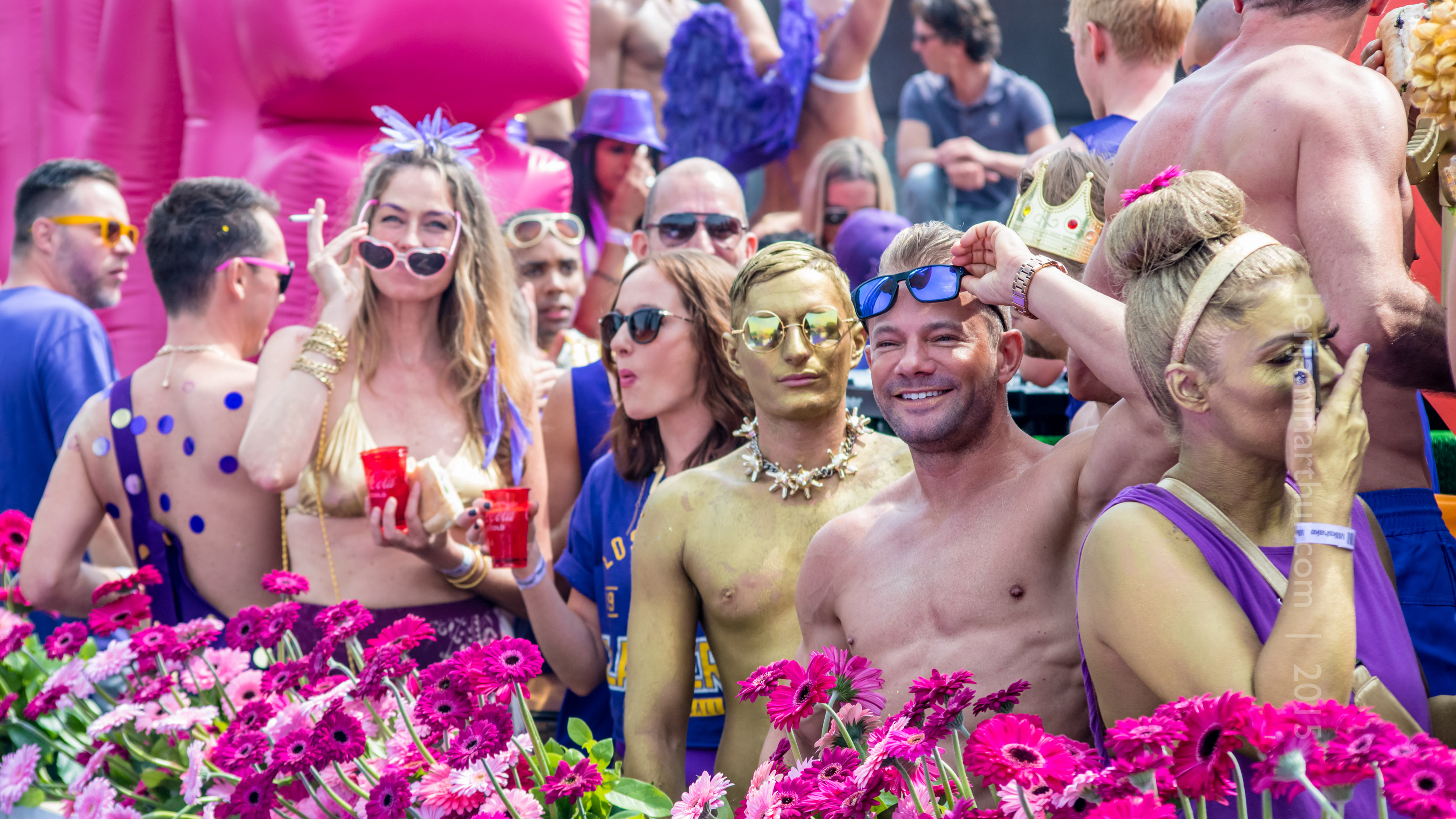
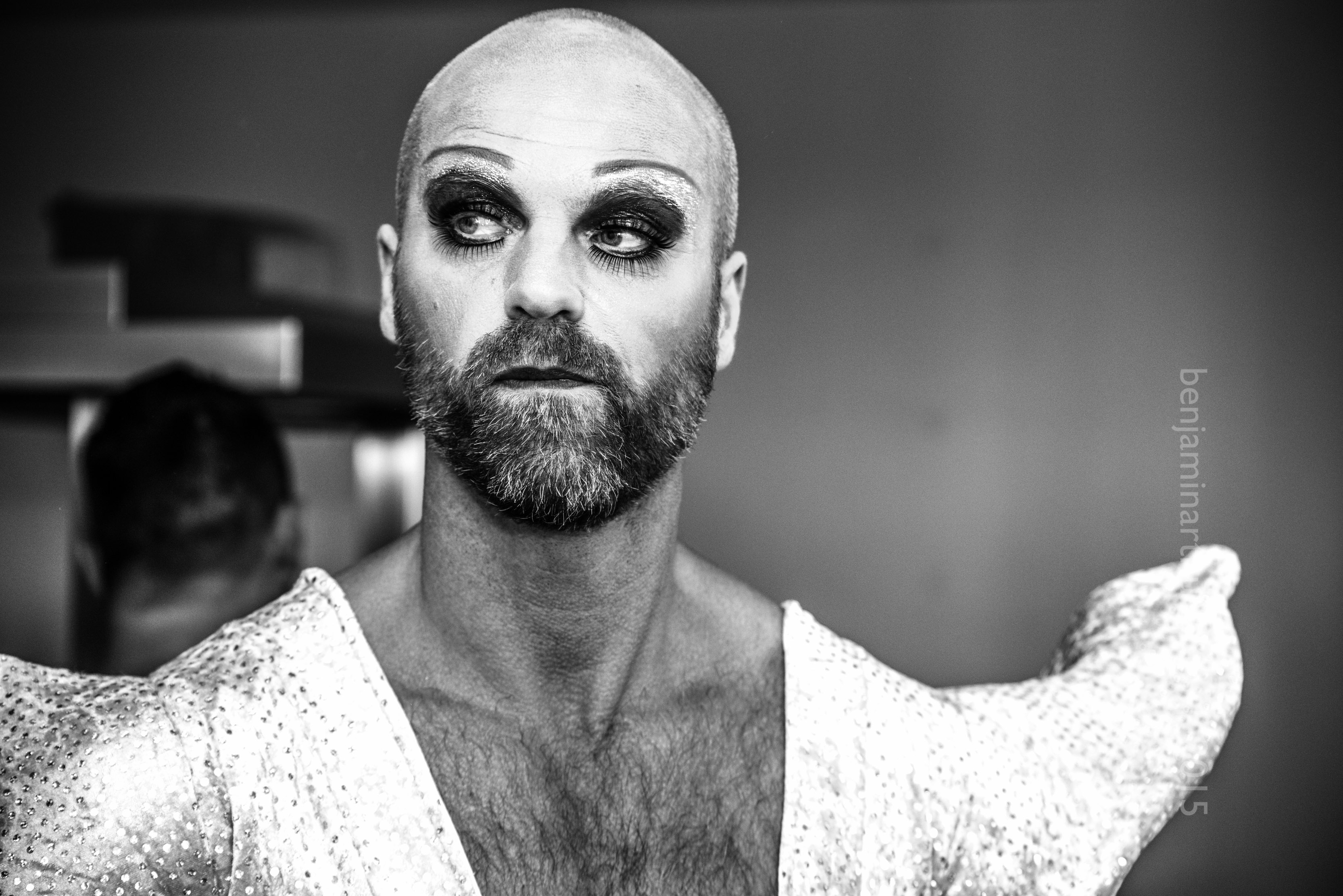
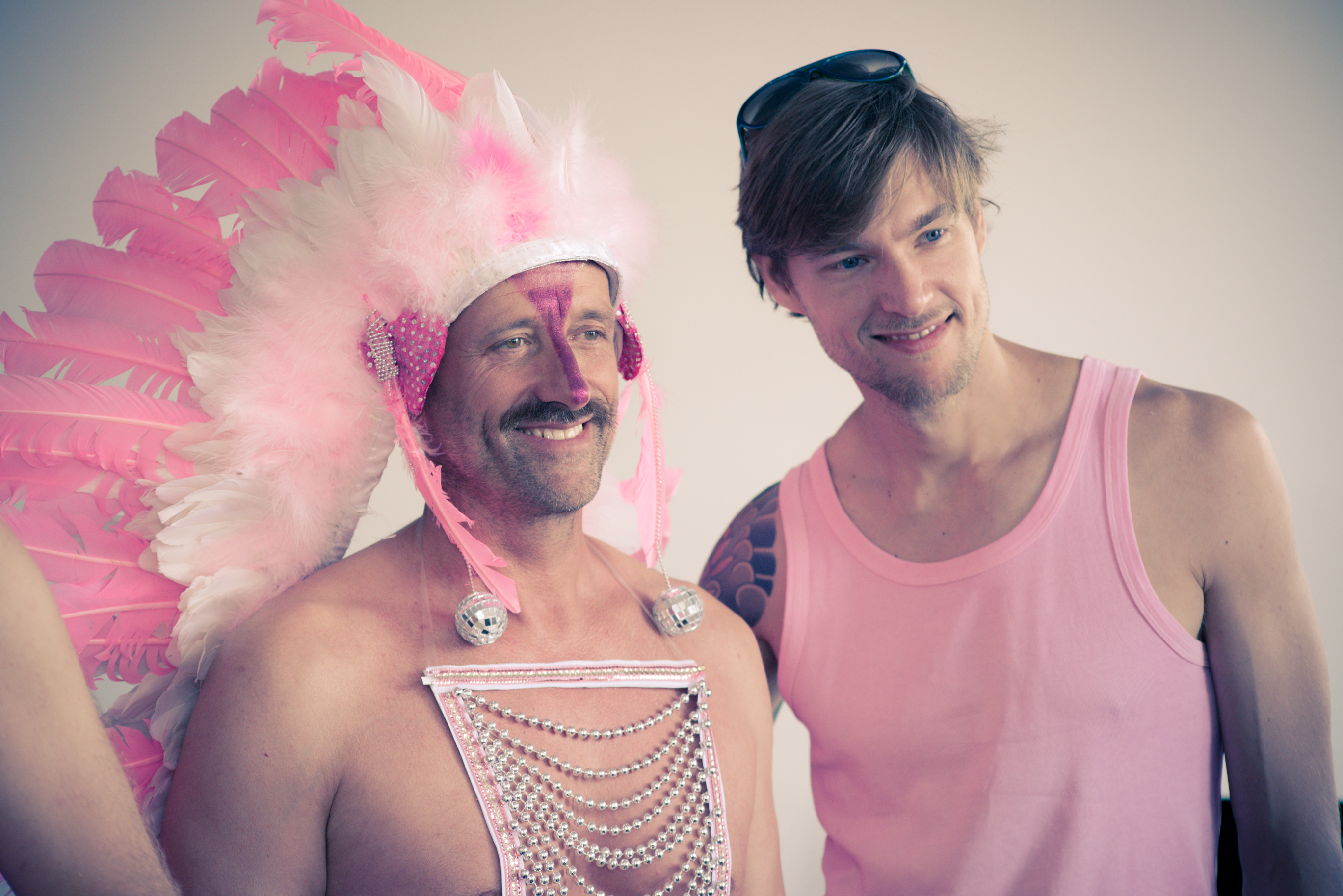
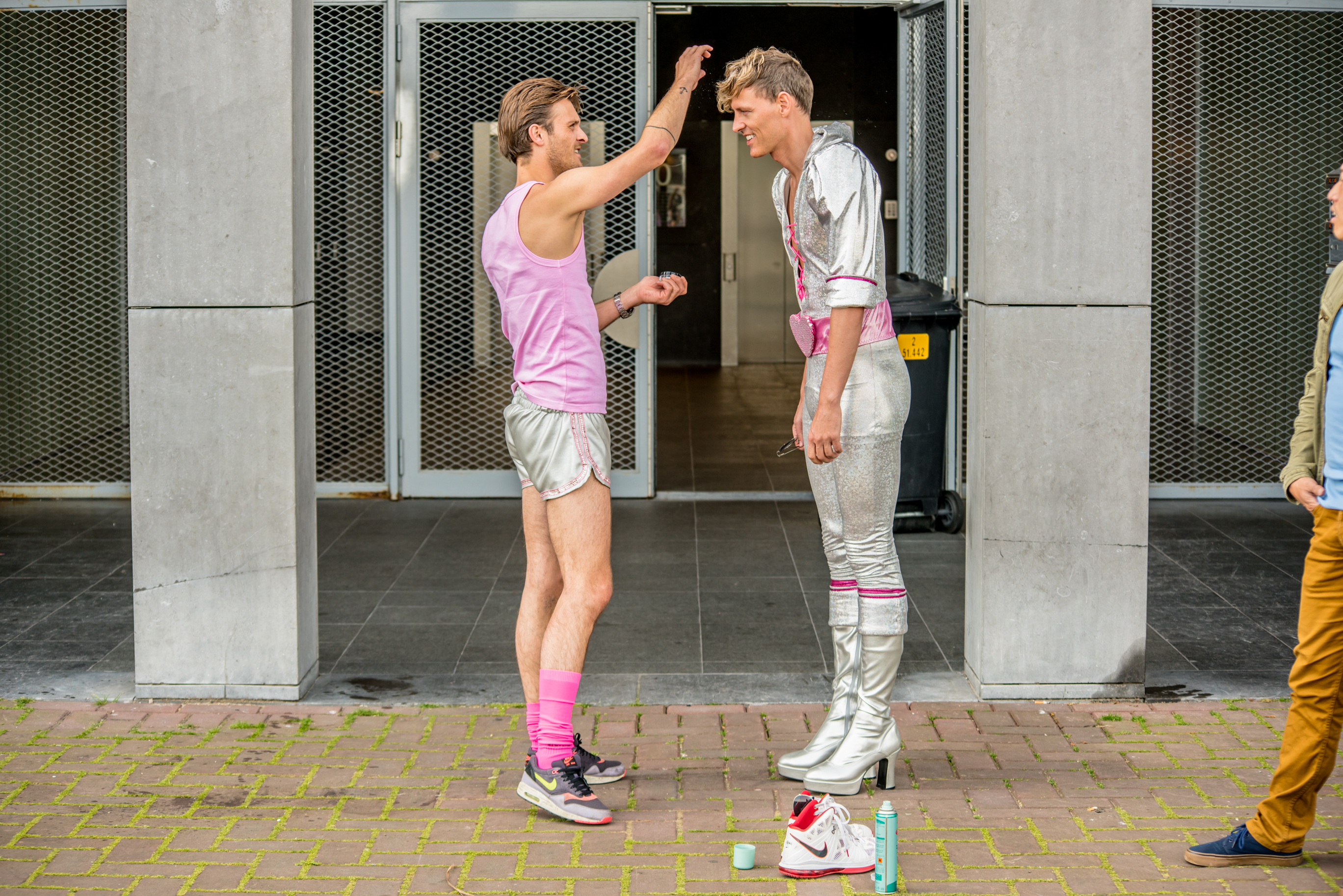
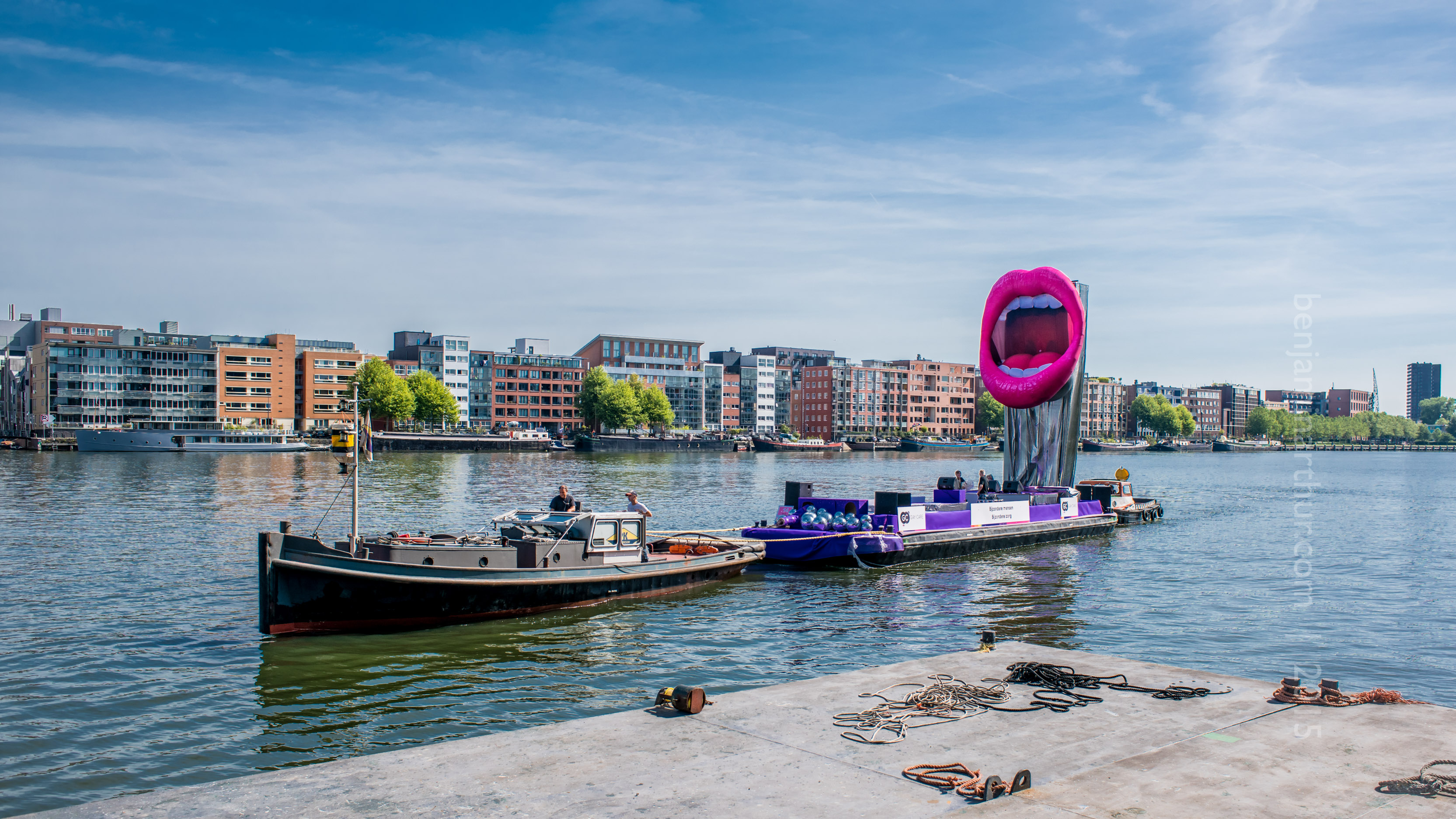
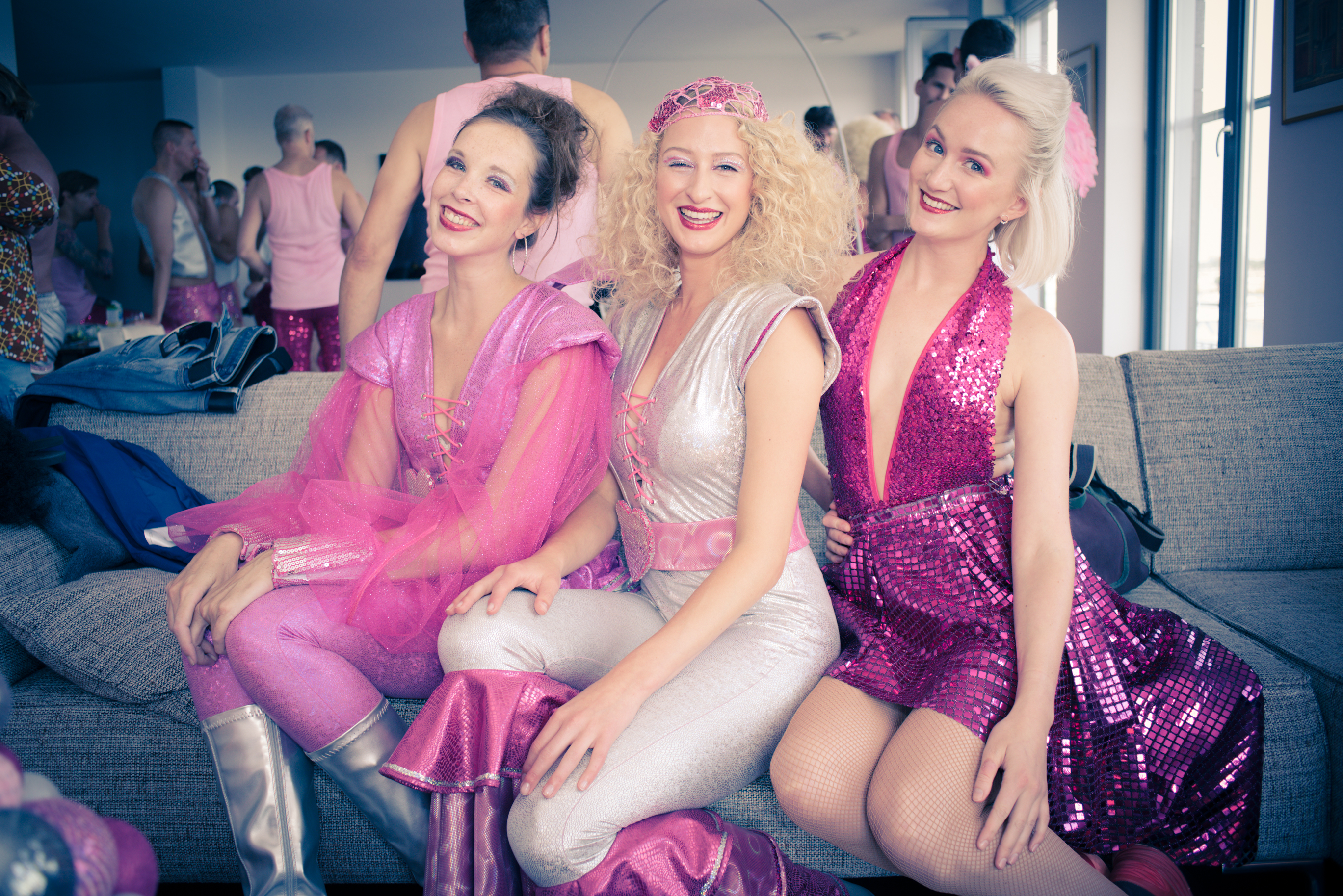
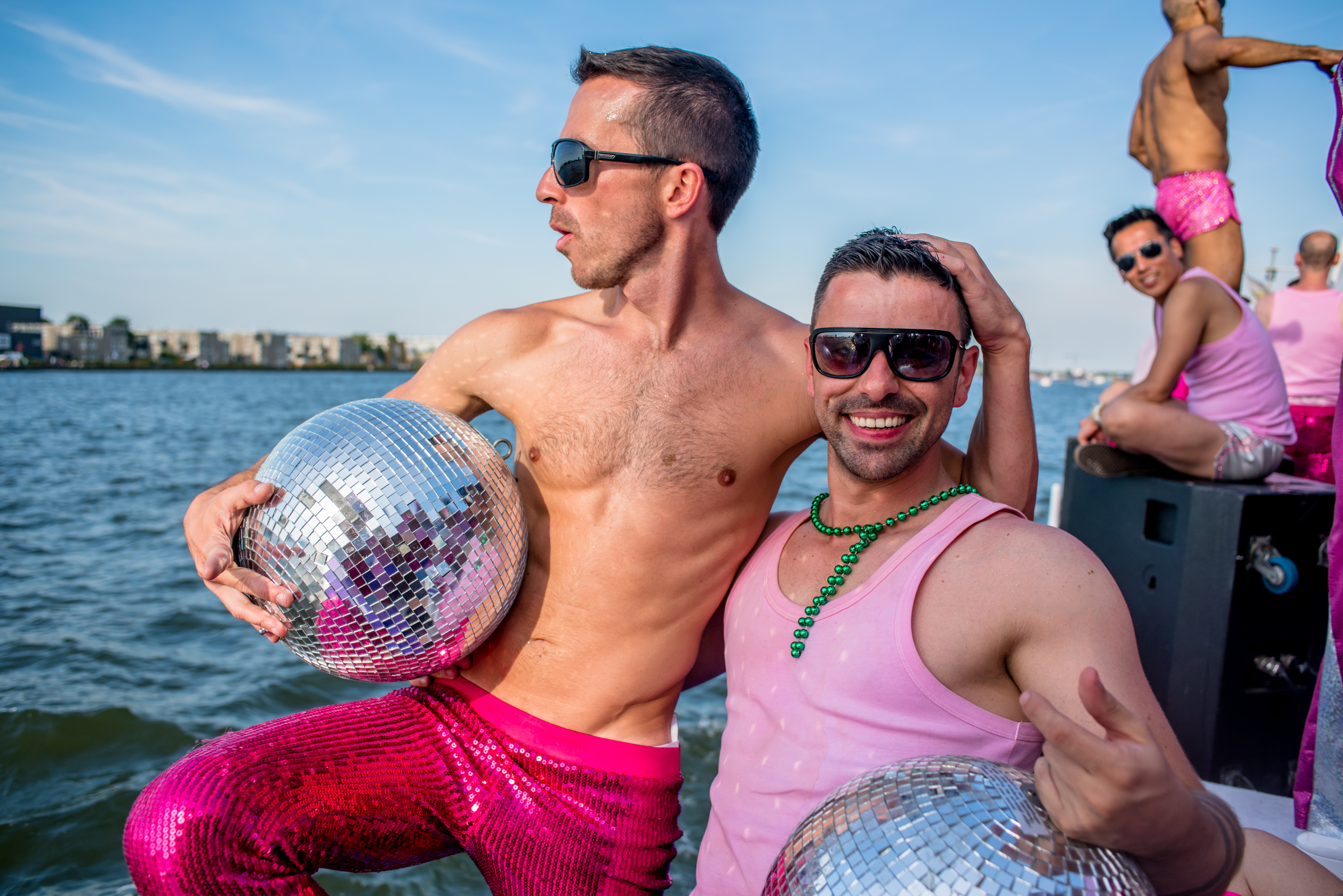
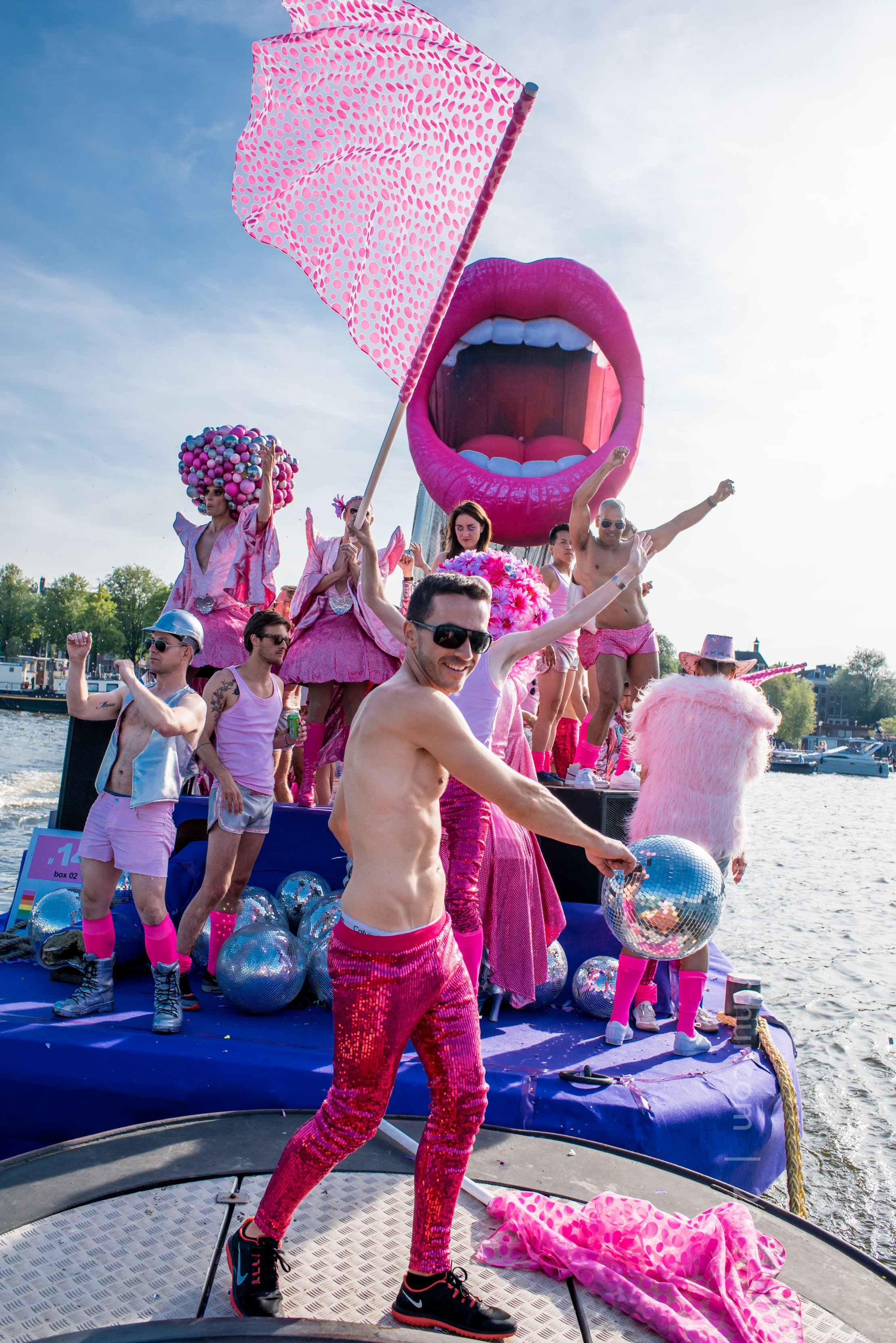
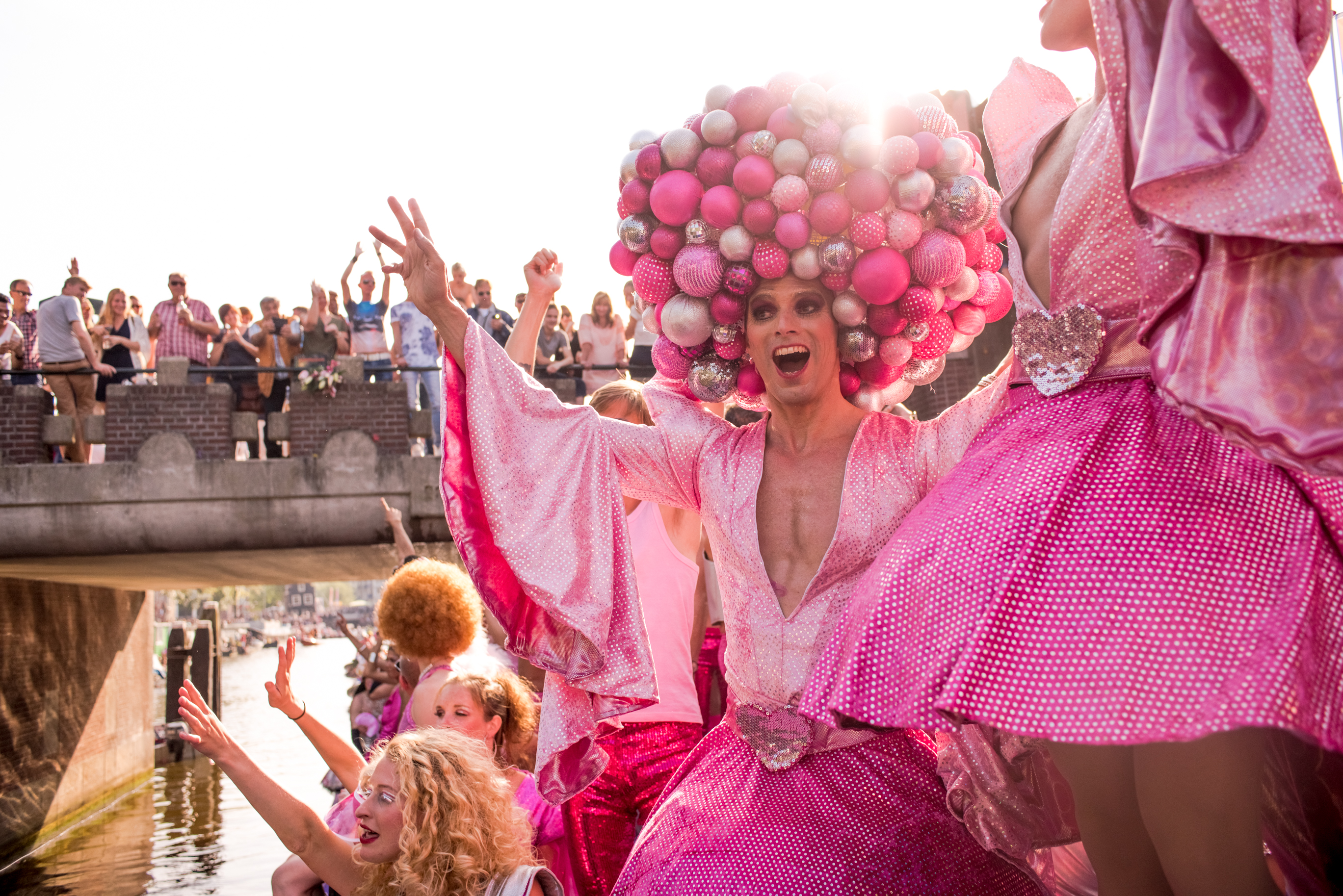
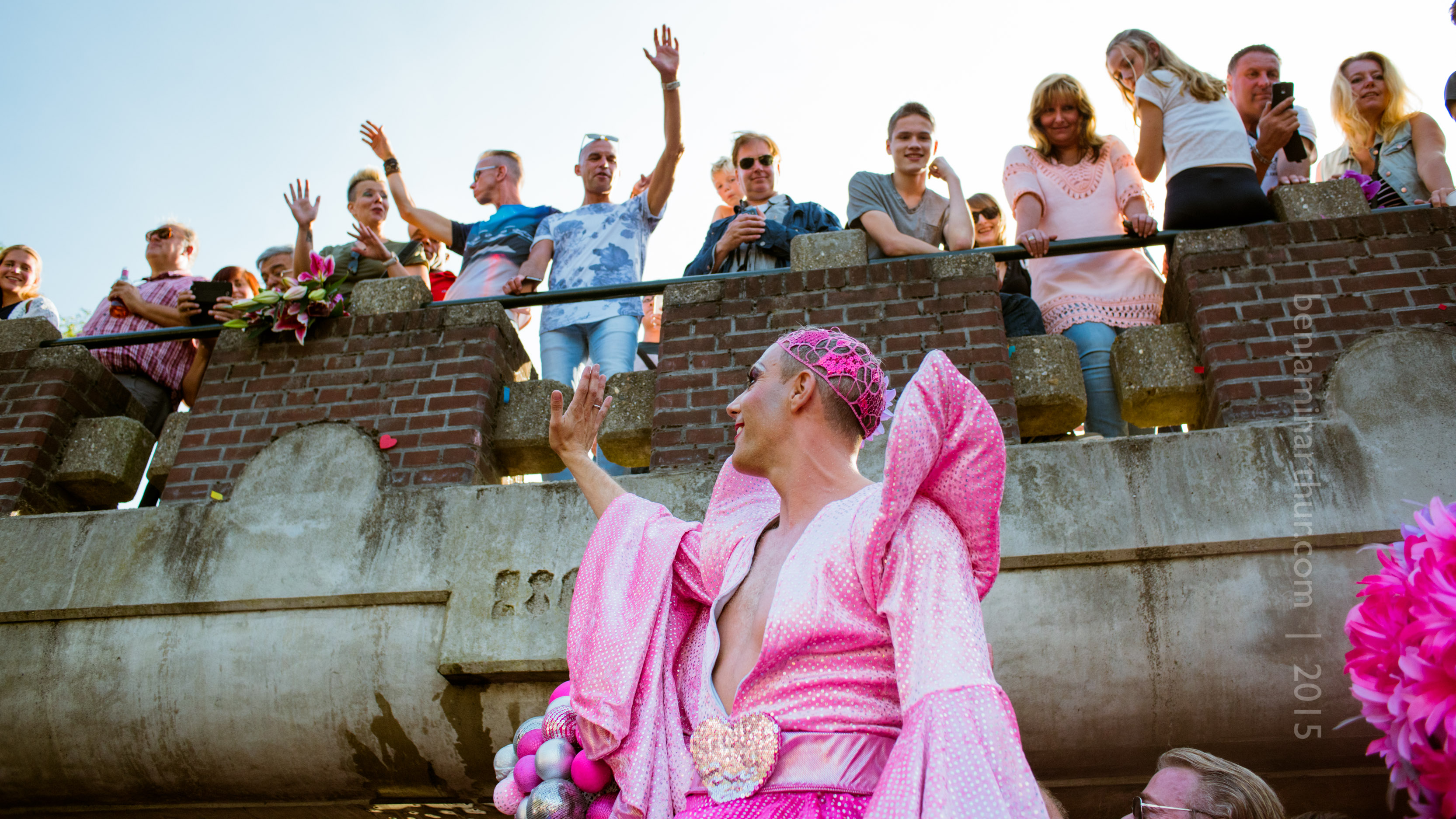
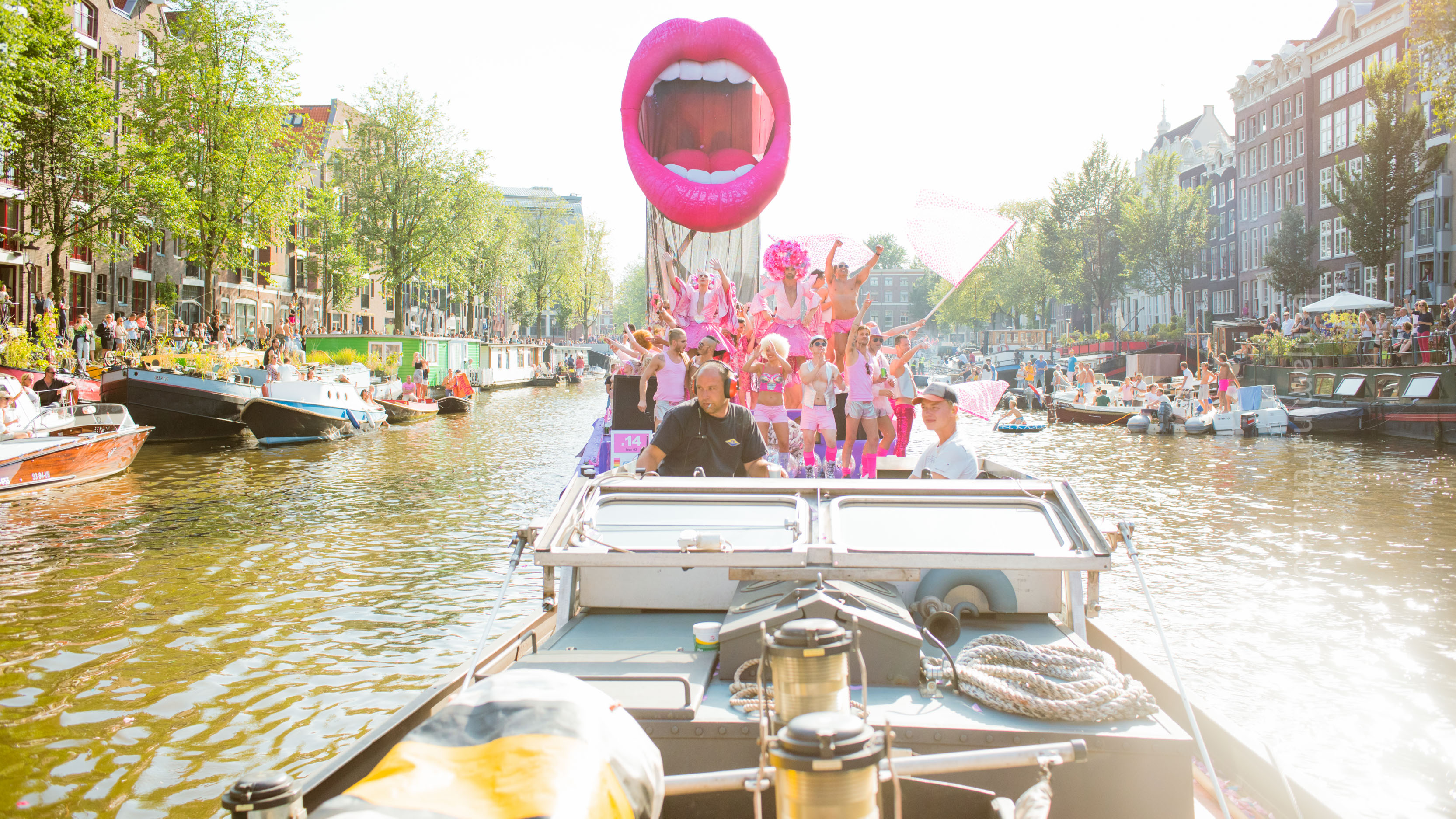
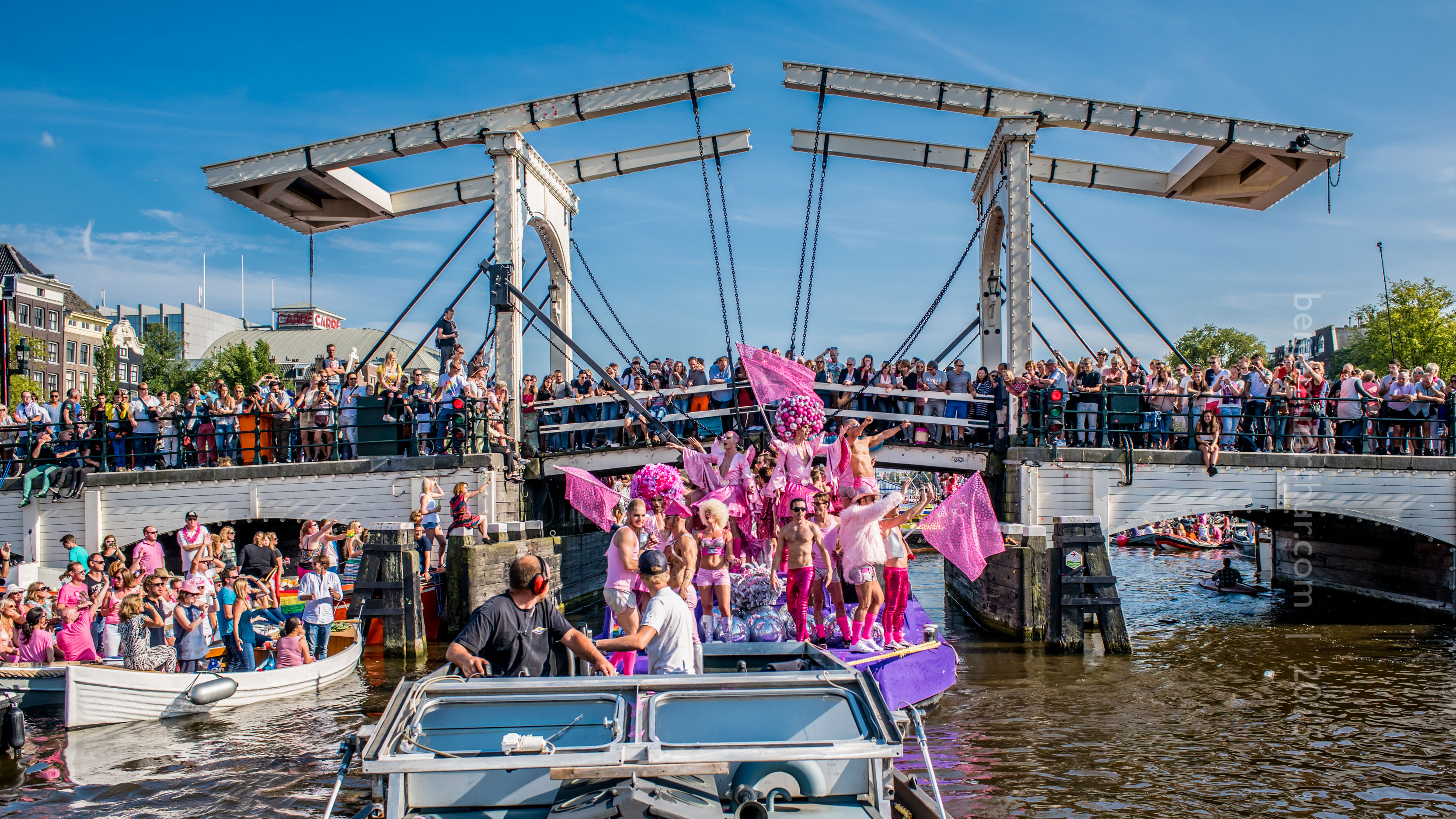
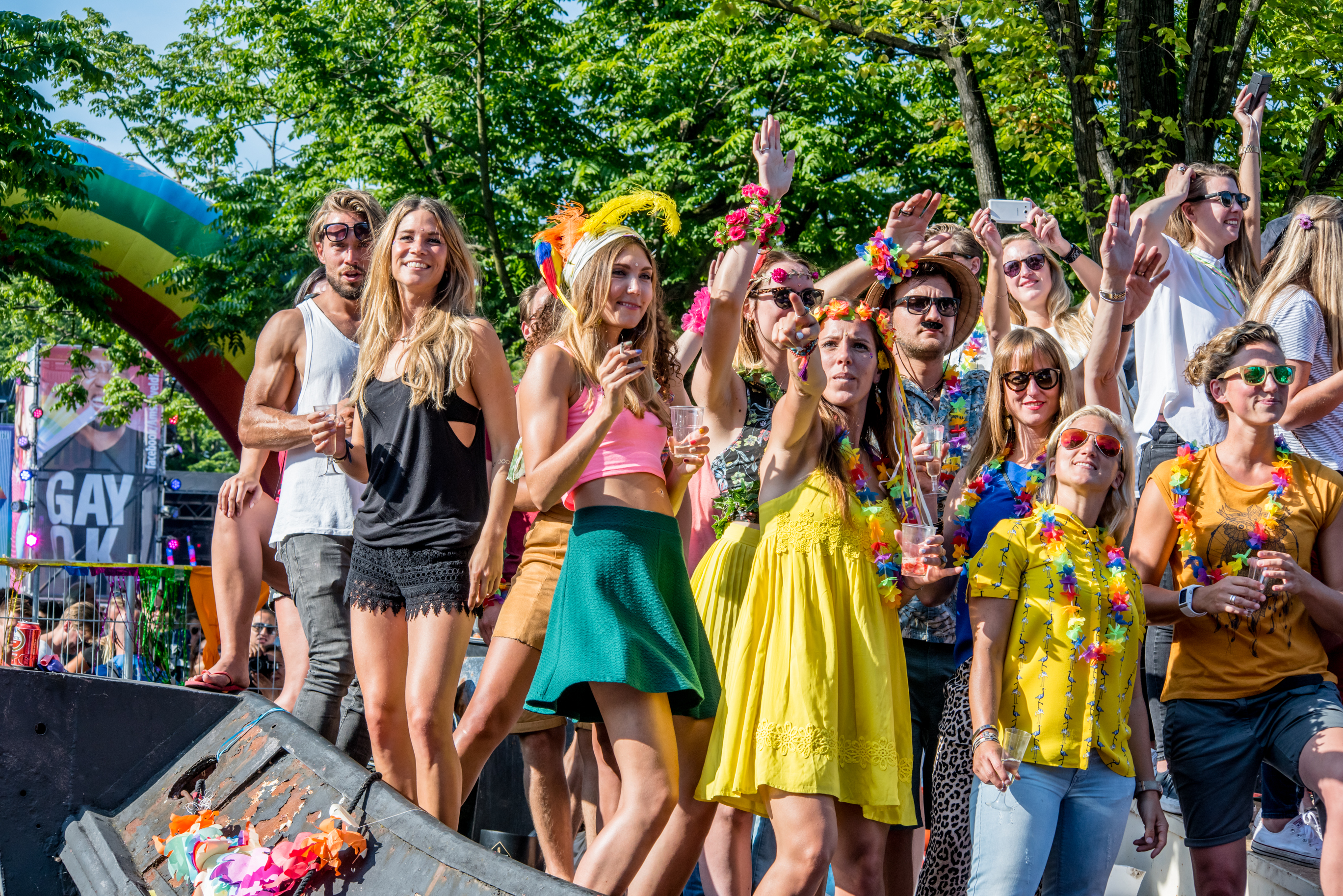
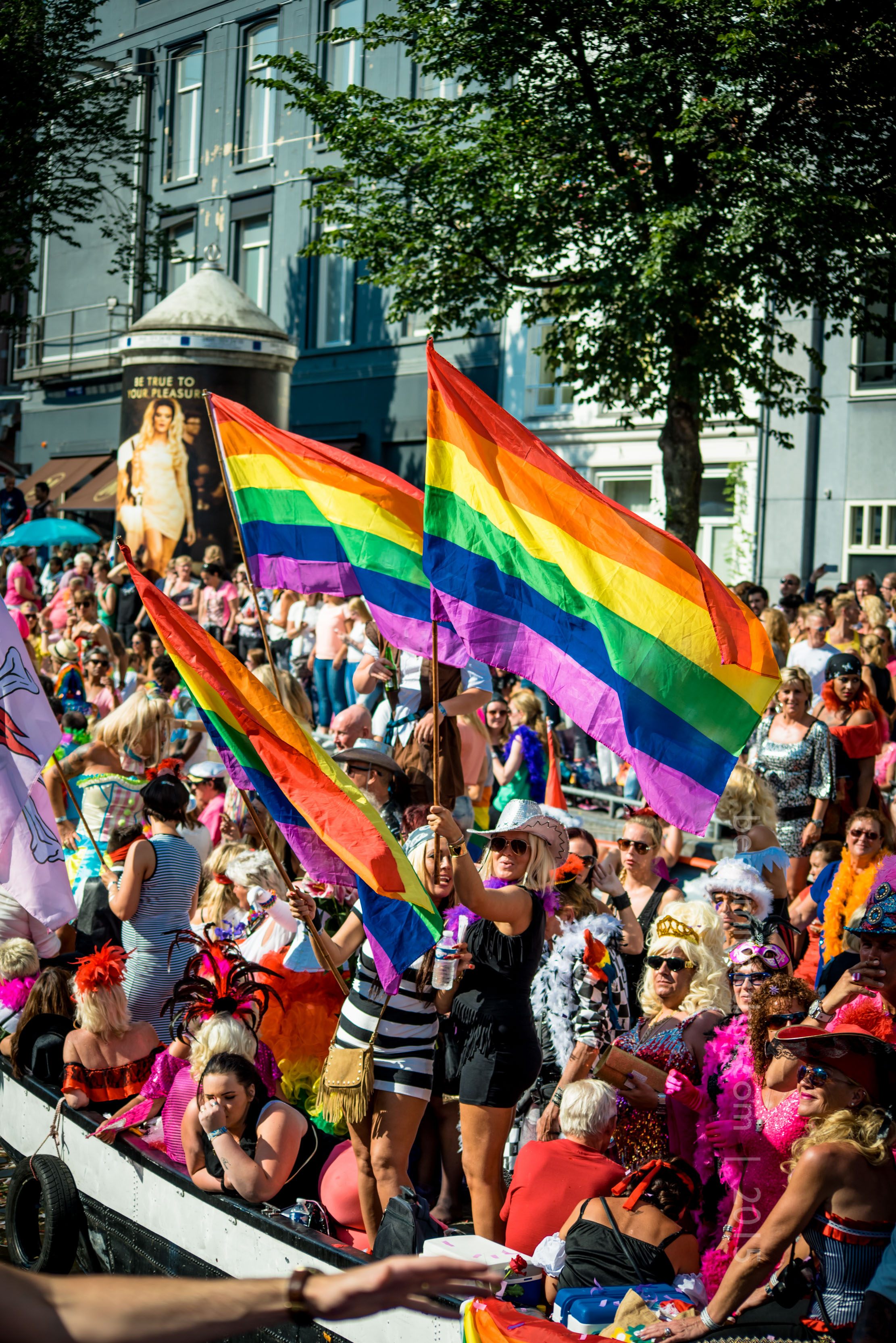
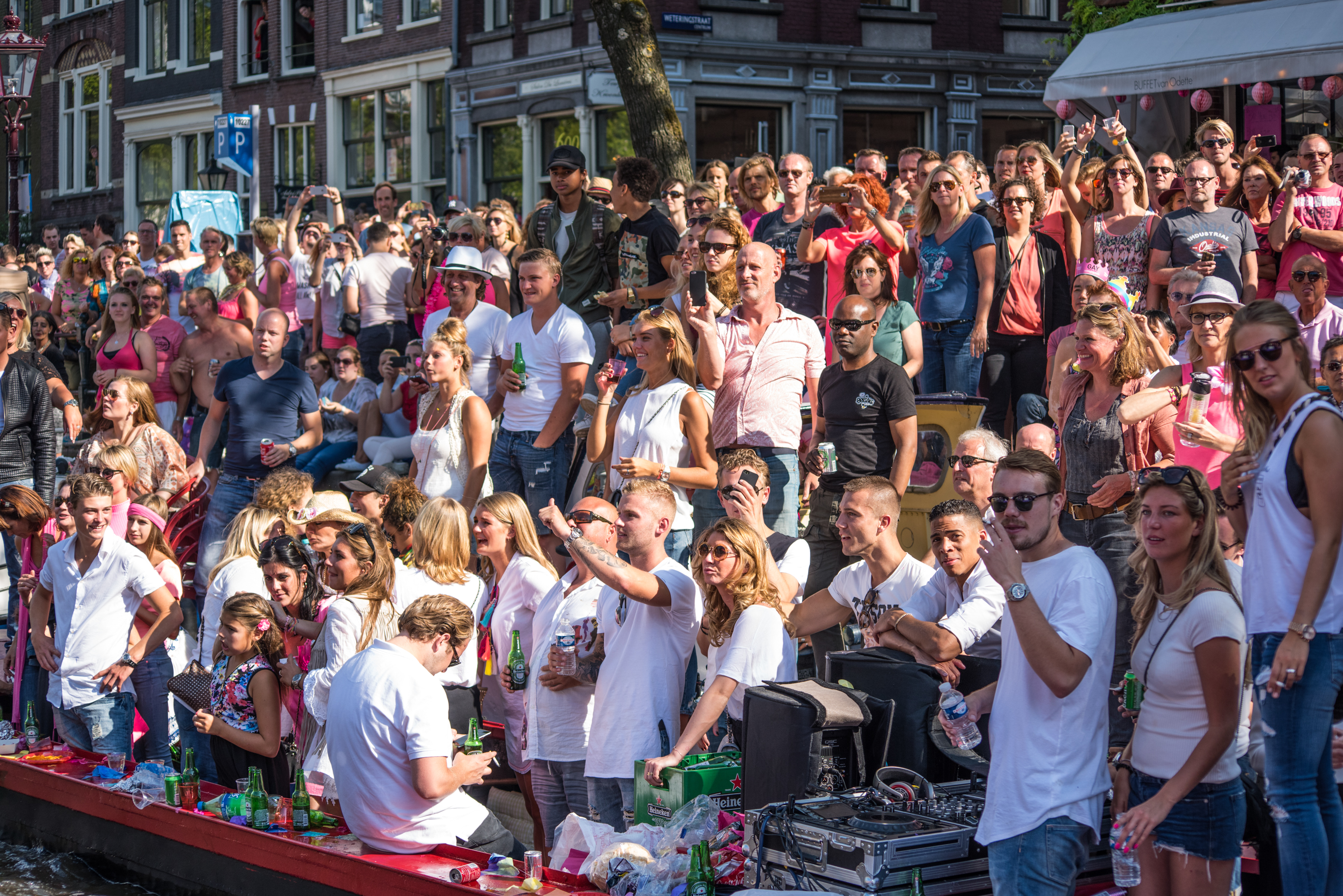
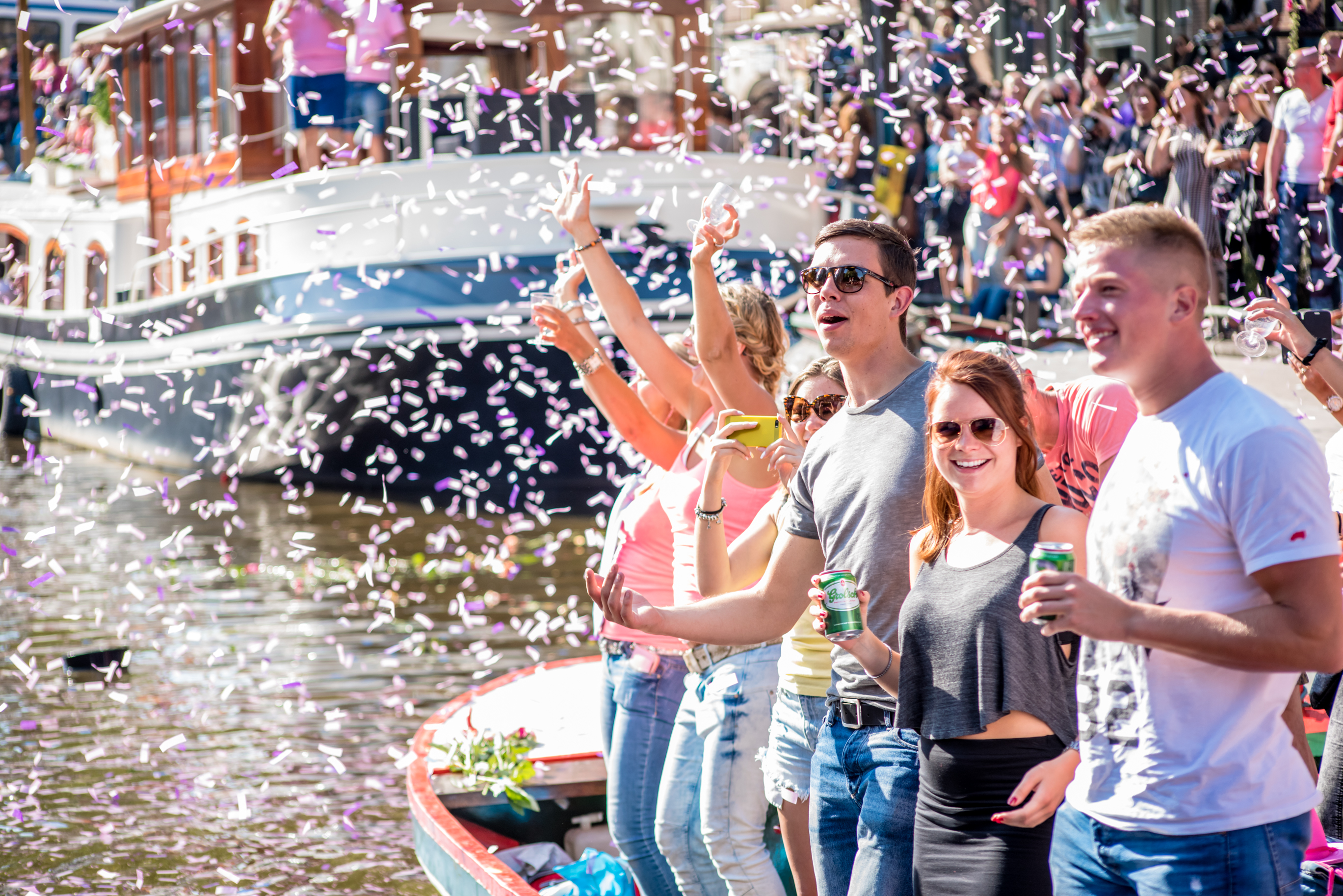
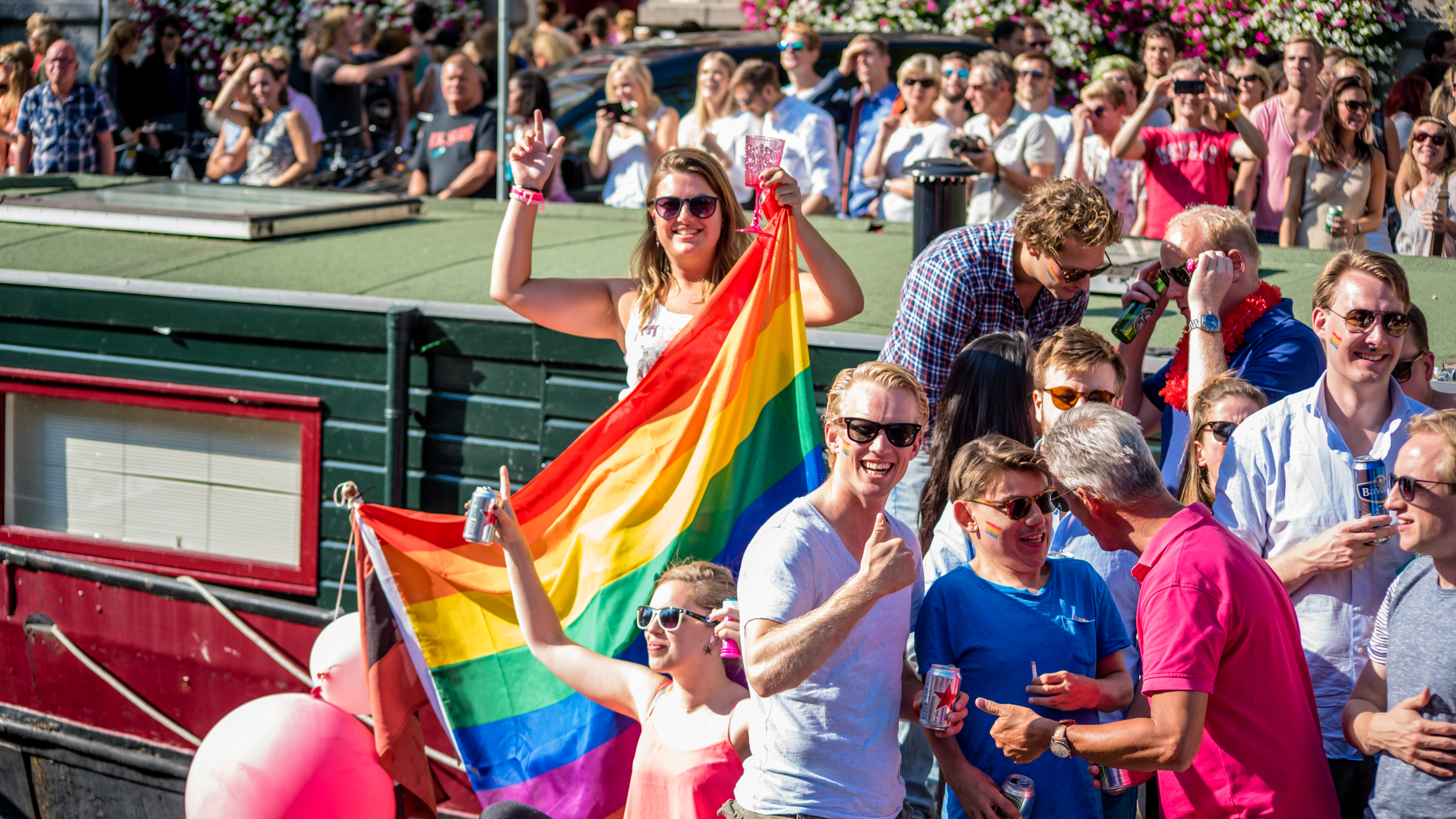
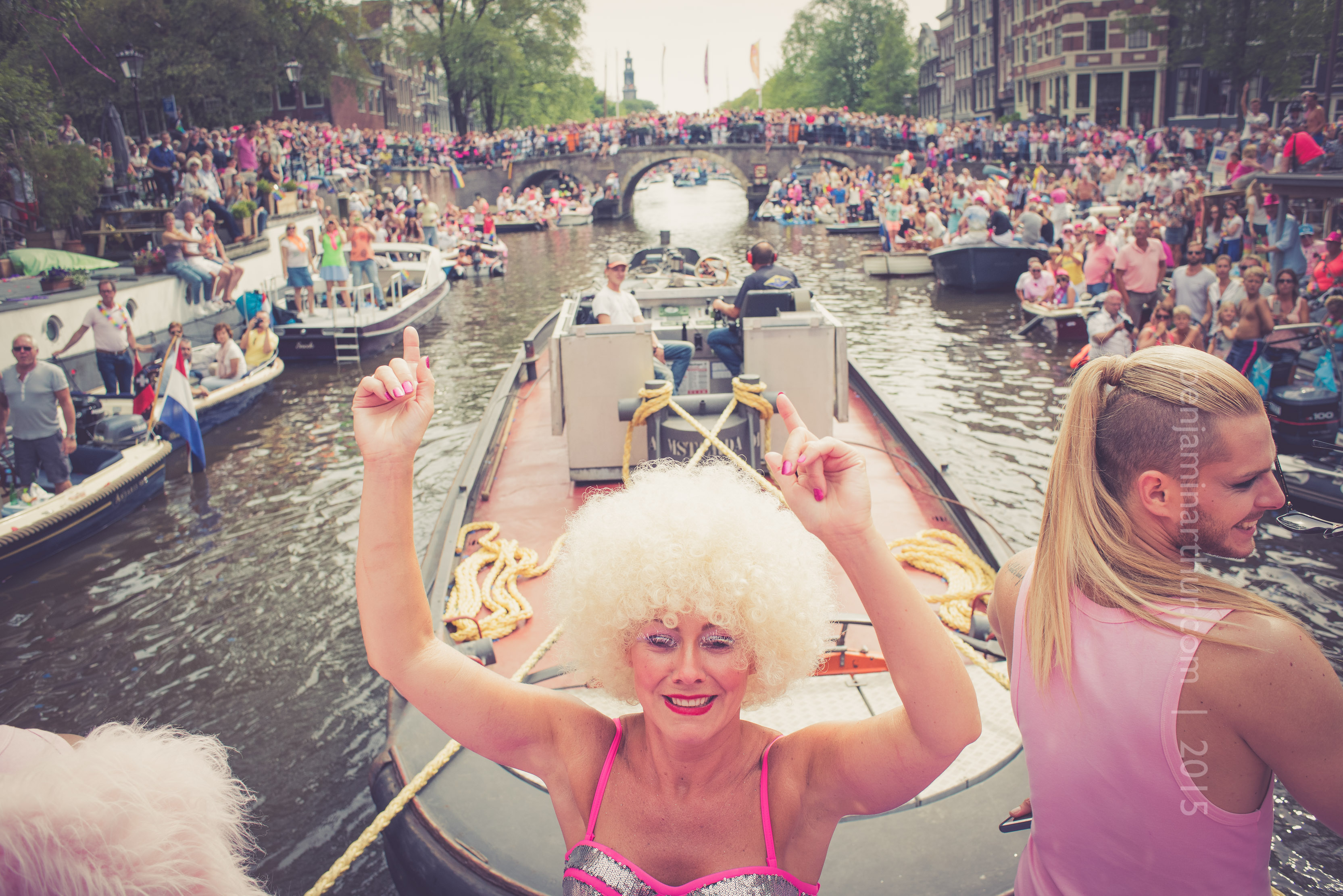
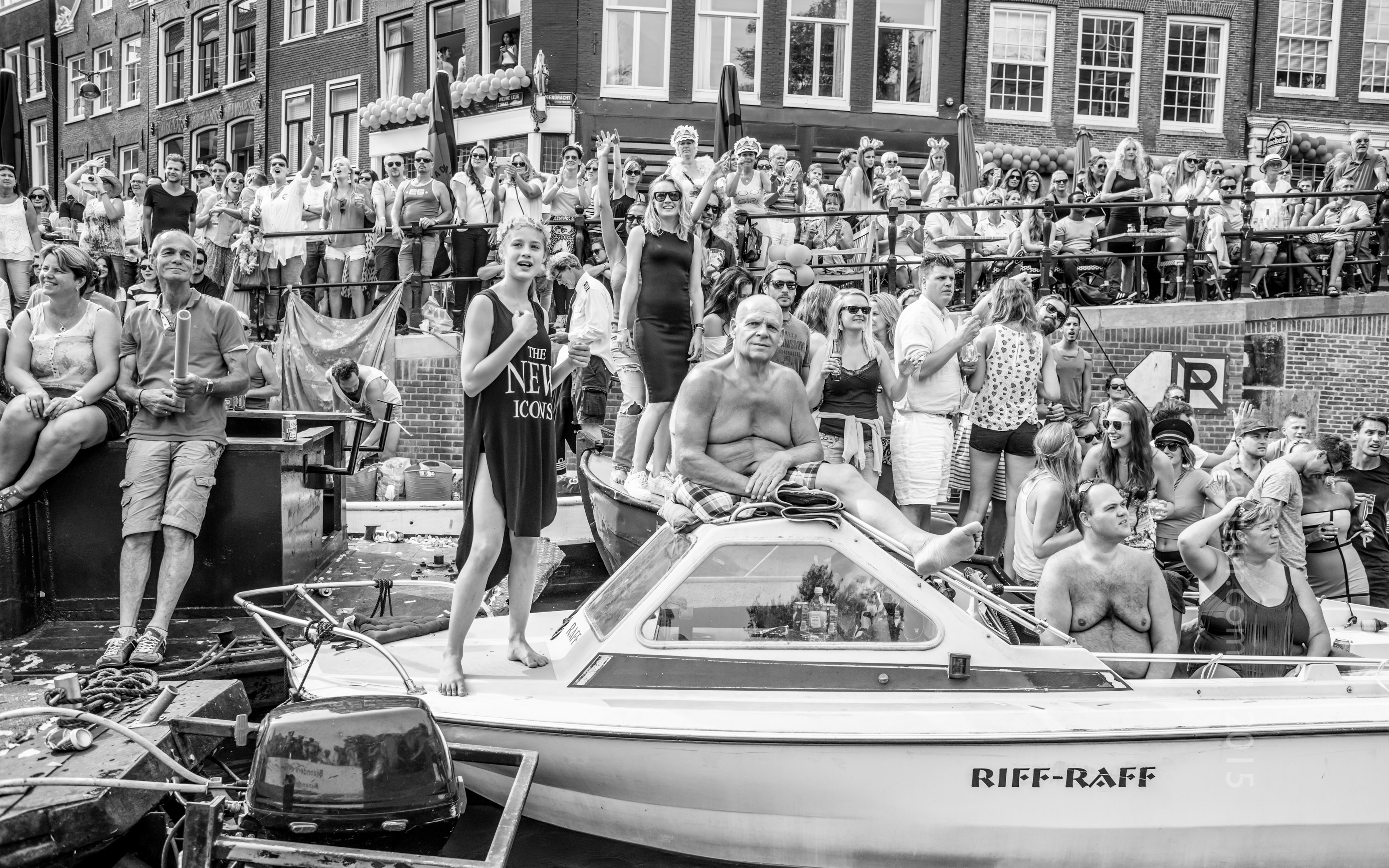
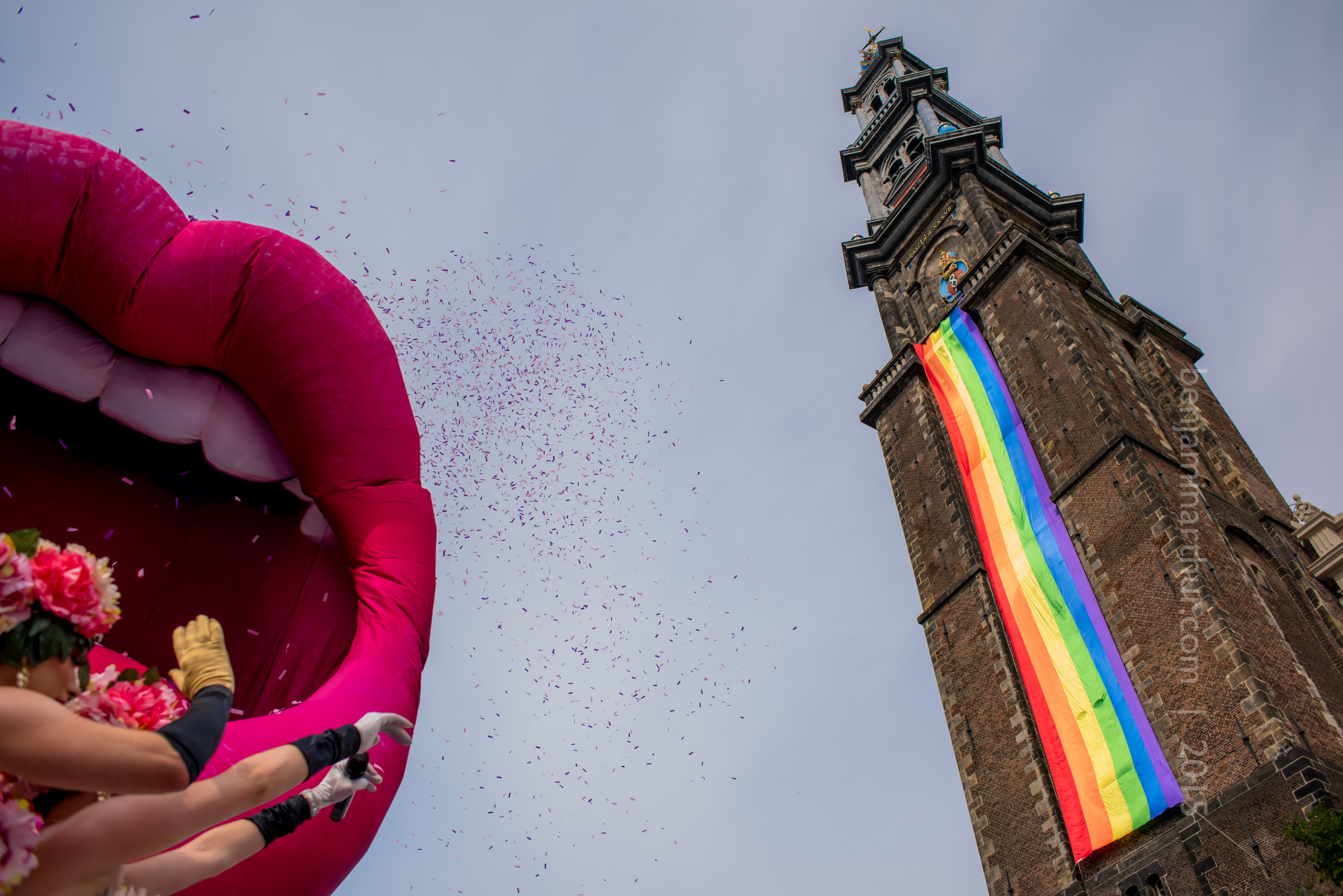
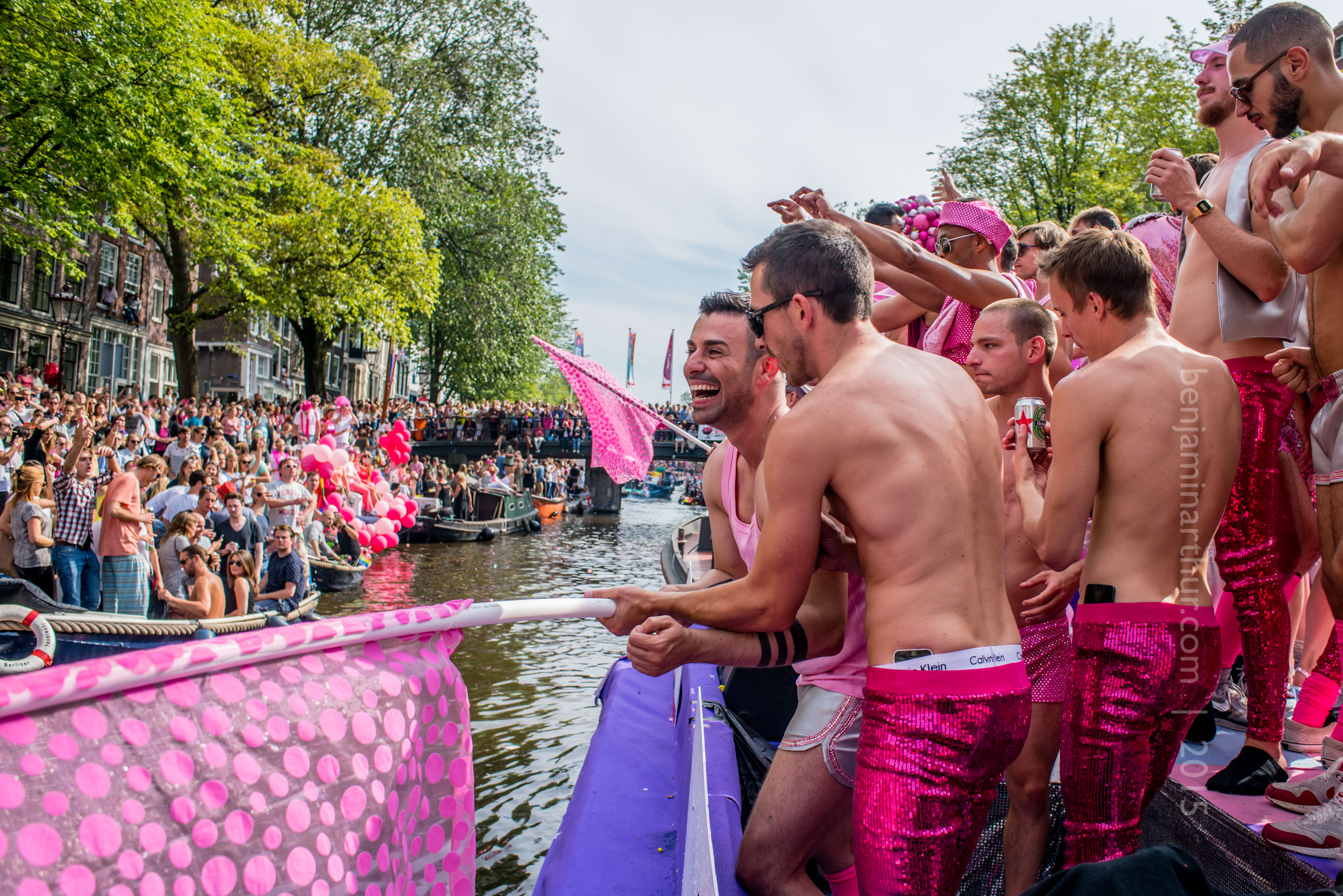
A few months back I shared some of my favorite images from the Amsterdam Gay Pride Parade 2015. Recently, I got to visit some of those photos again and I cannot help but share some of these photos. I think they capture the quirkiness and the vivacity of the parade and more importantly, the beautiful love that people, all kinds of people, can and do share.
P.S. You can find the details for the 2016 parade here.
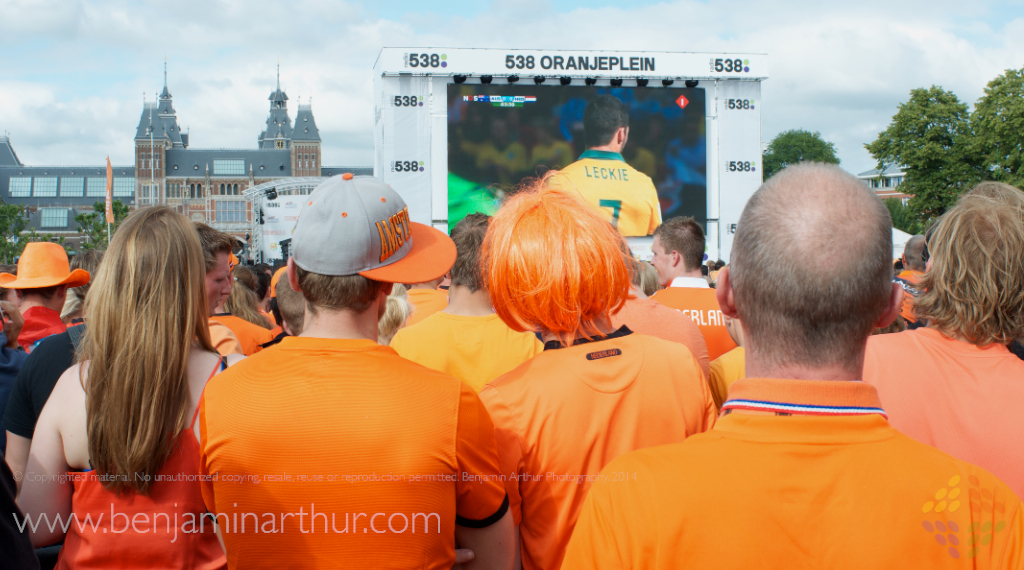
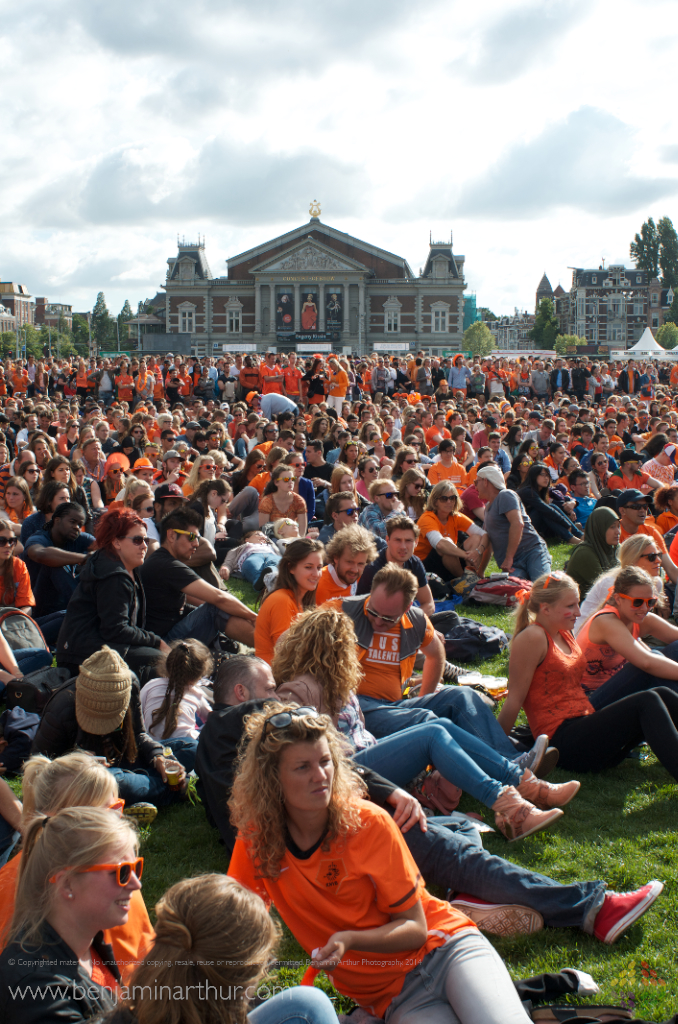
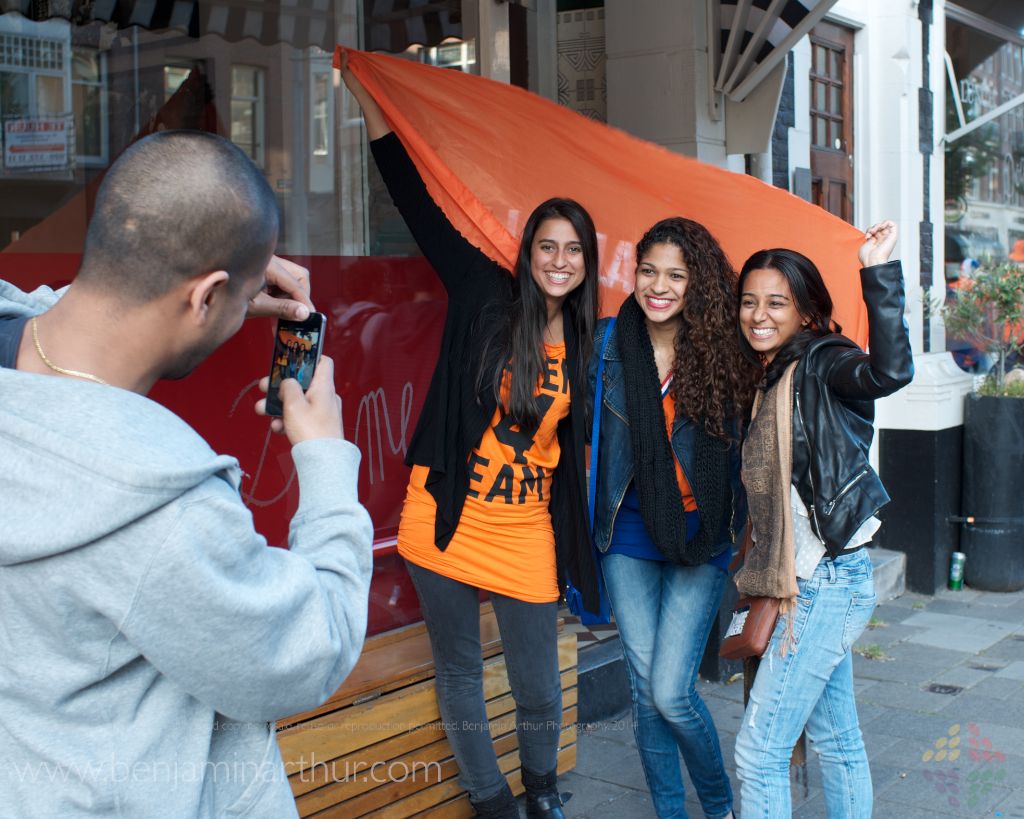
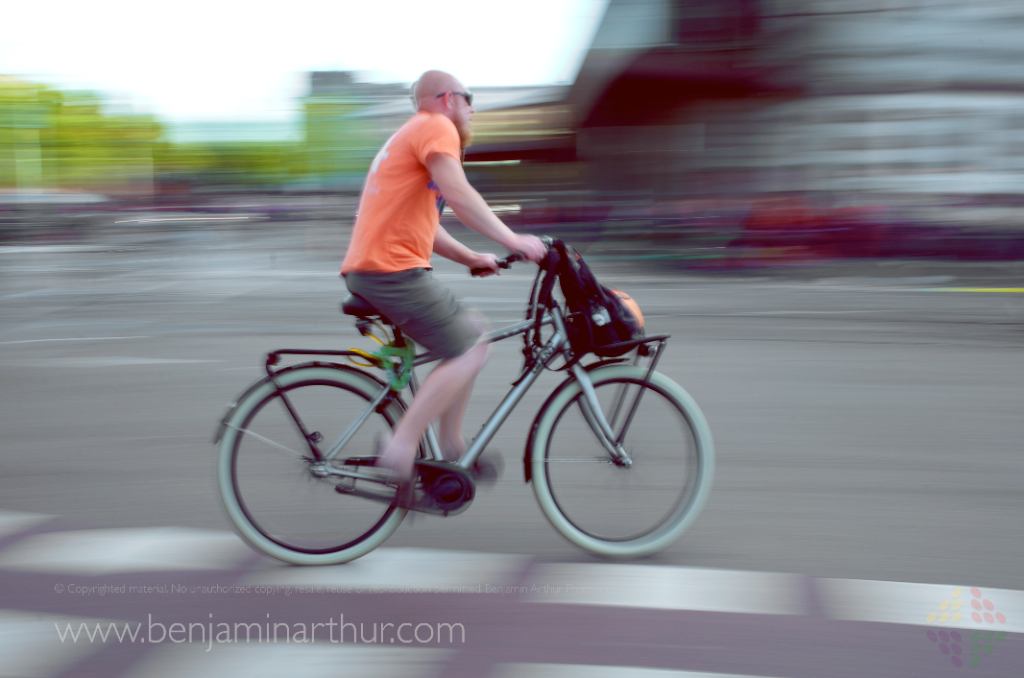
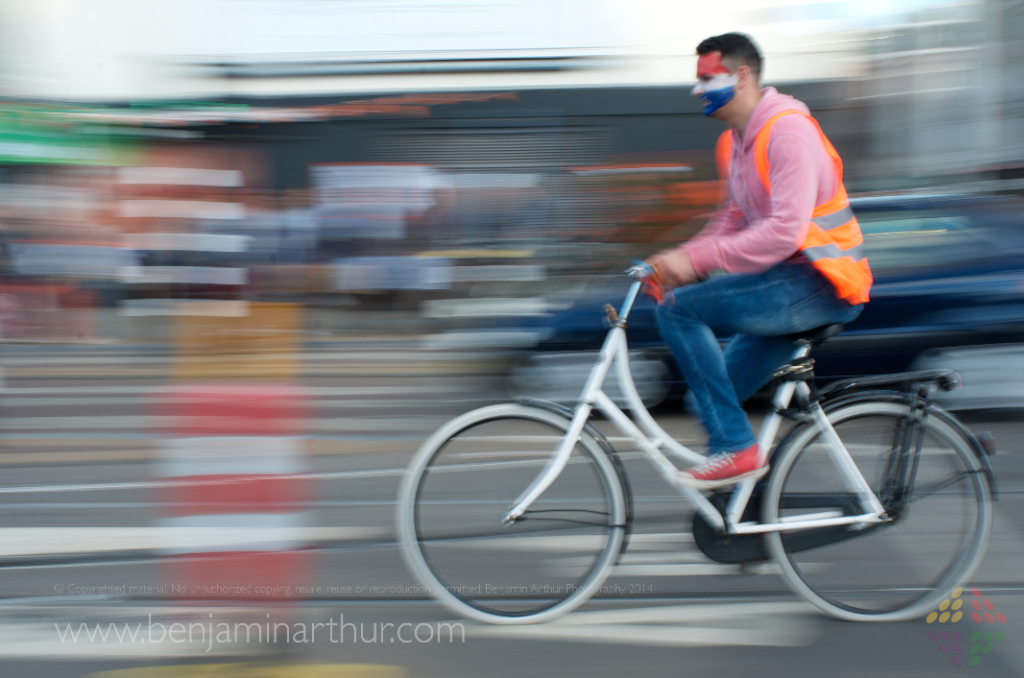
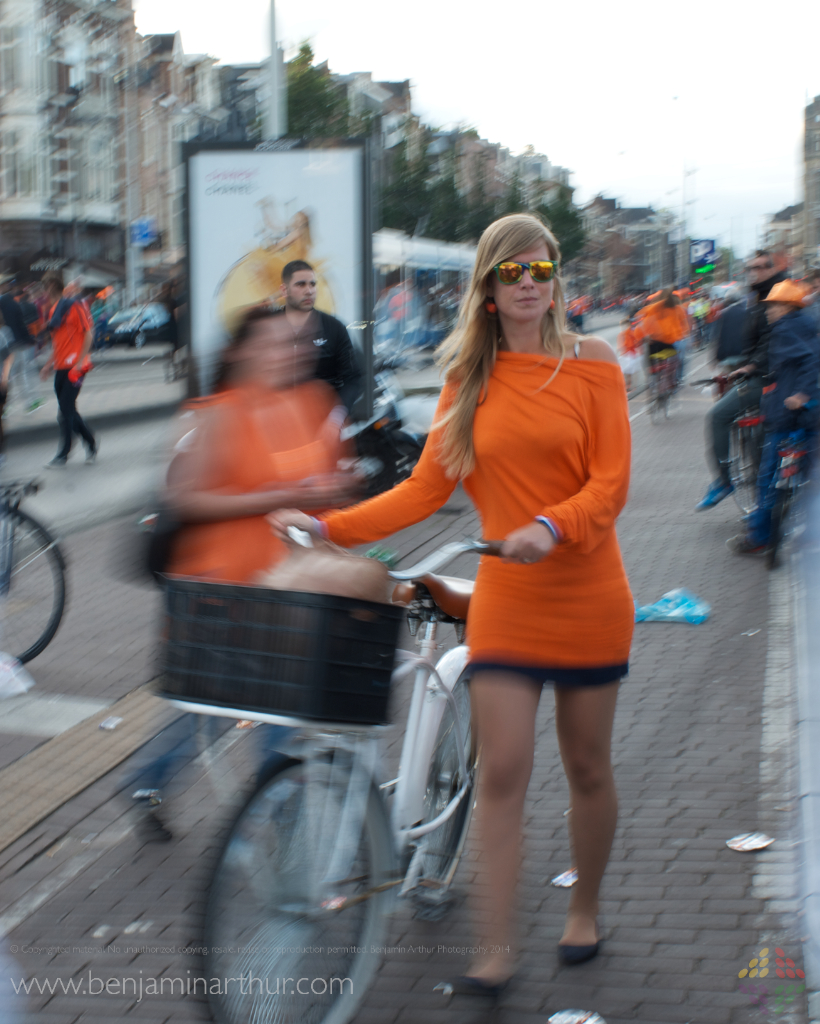
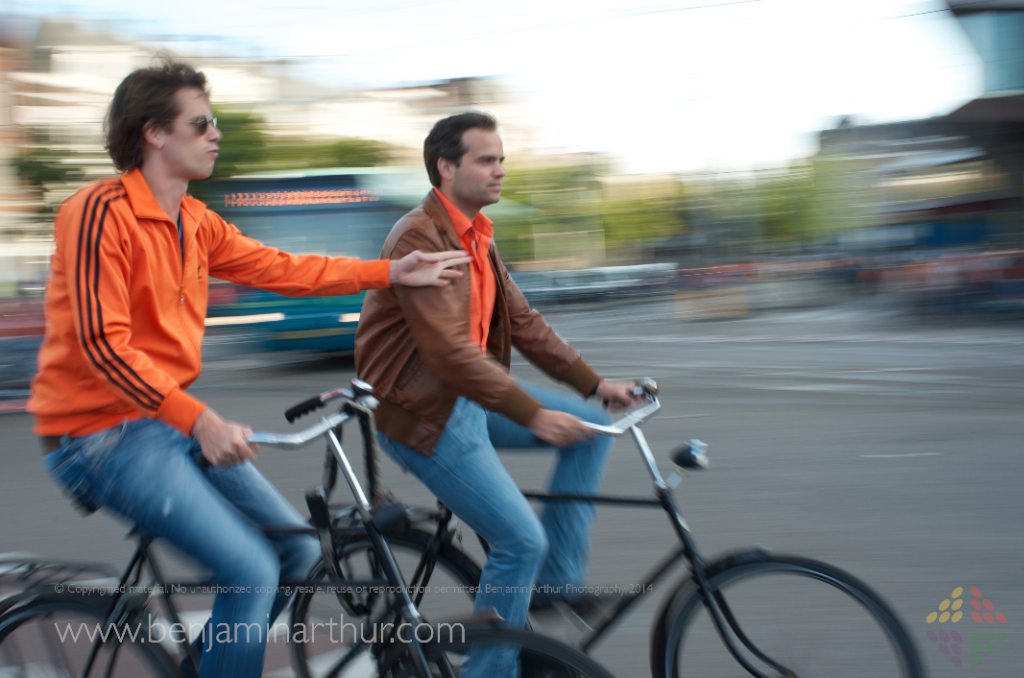
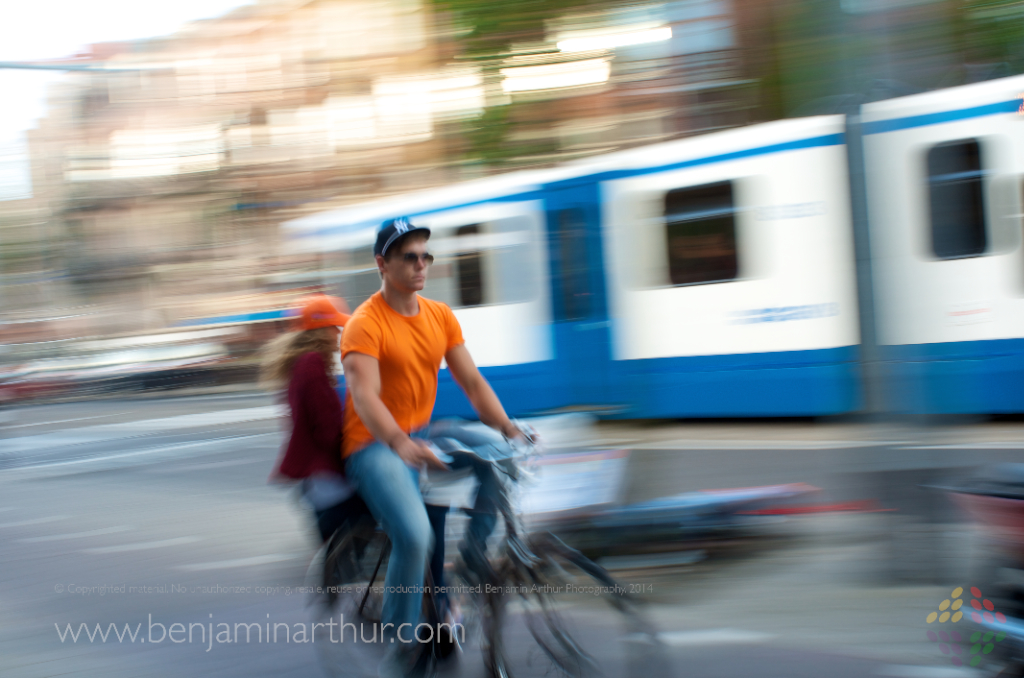
I have lived in the Netherlands for quite some time now and I think one of the most captivating things about this country, apart from their architecture, their art and even their food, is the love the Dutch have for their country and Oranje.
The Dutch celebrate the colour Oranje in every way imaginable- their clothes, their bikes and sometimes even their faces. Step out in any of the cities during national events and you will see smurfs, only oranje and extremely tall. During Queens day or important football matches, everyone tries to be as orange as they can be.
It showcases the love and the quirkiness of the people of this country perfectly. And I love it!
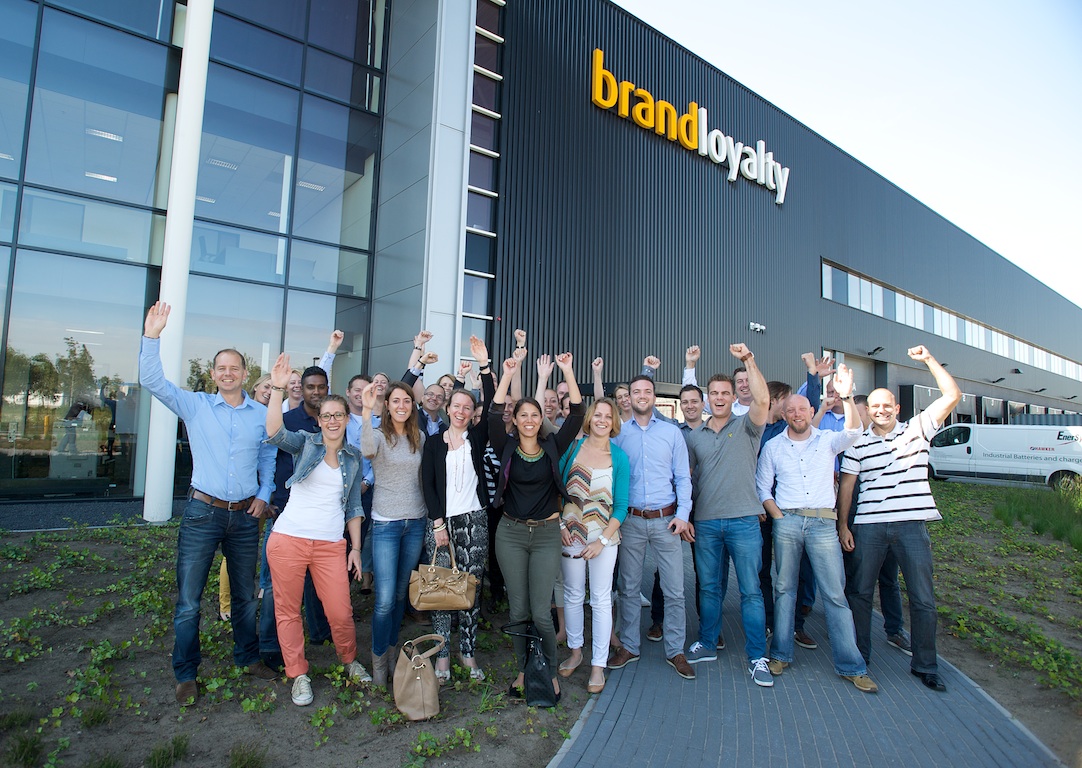
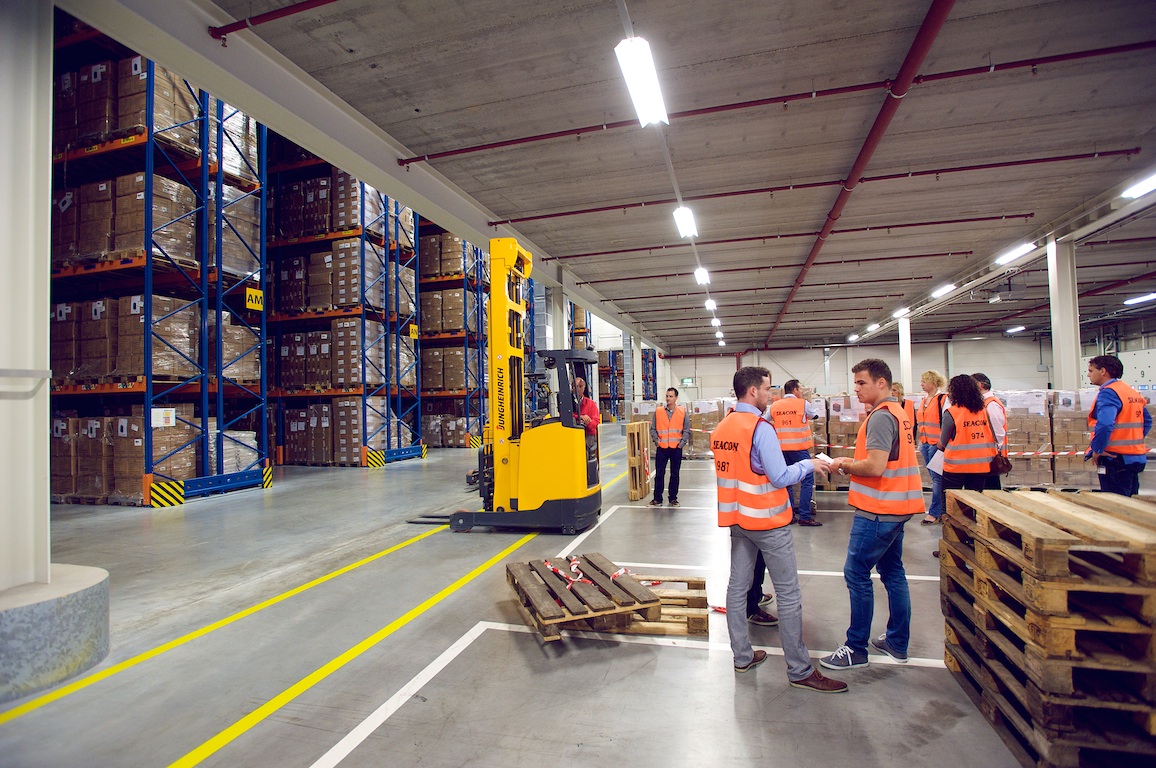
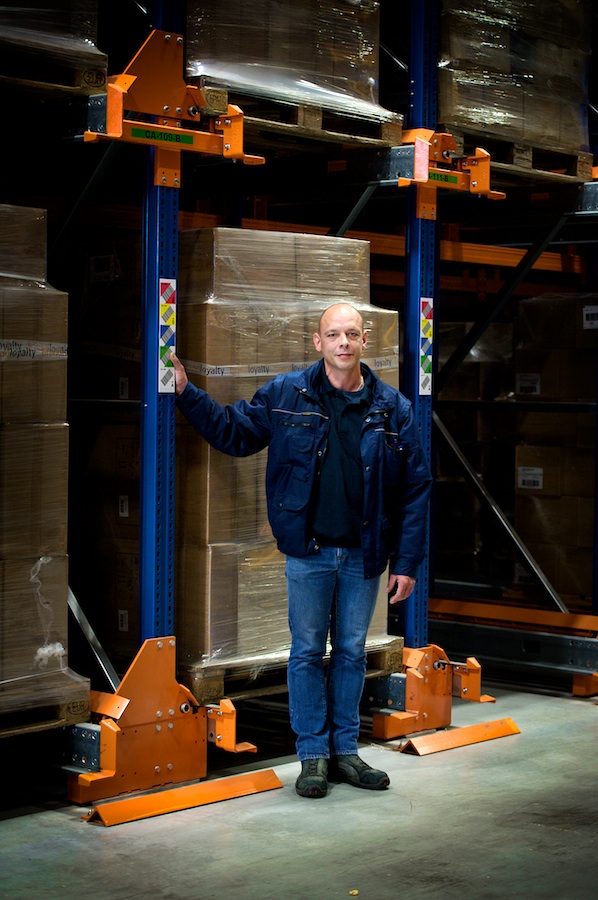
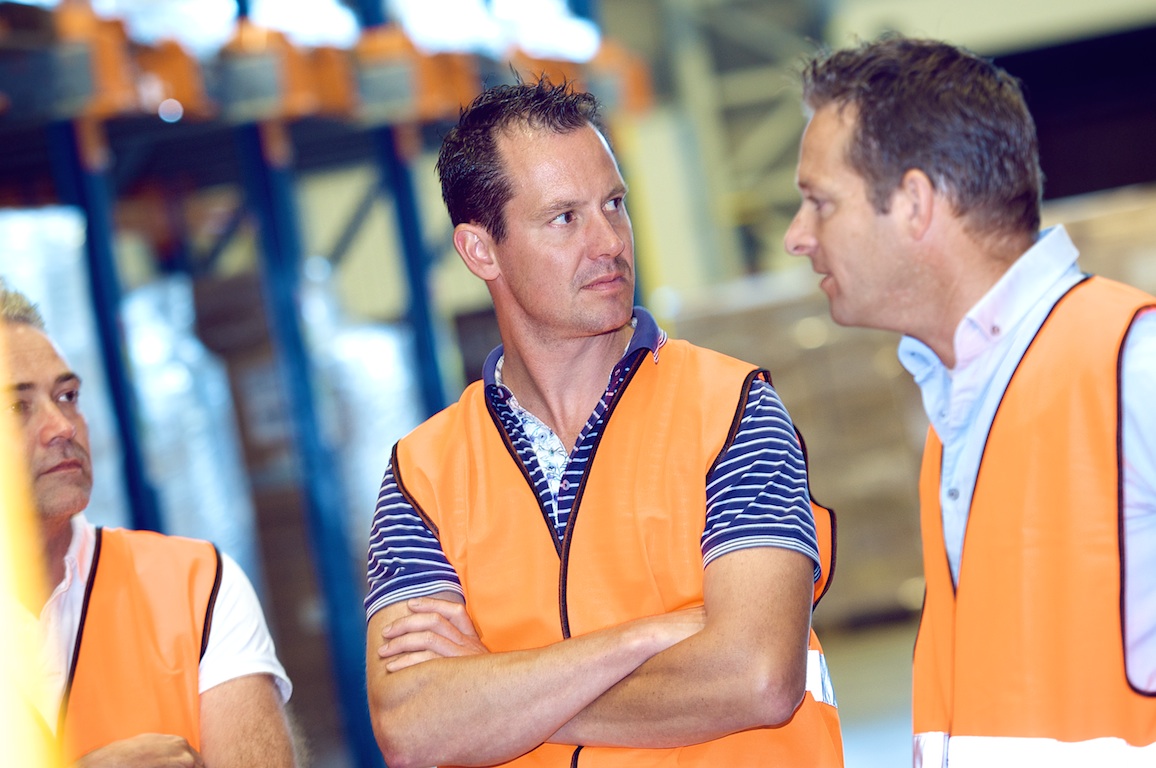
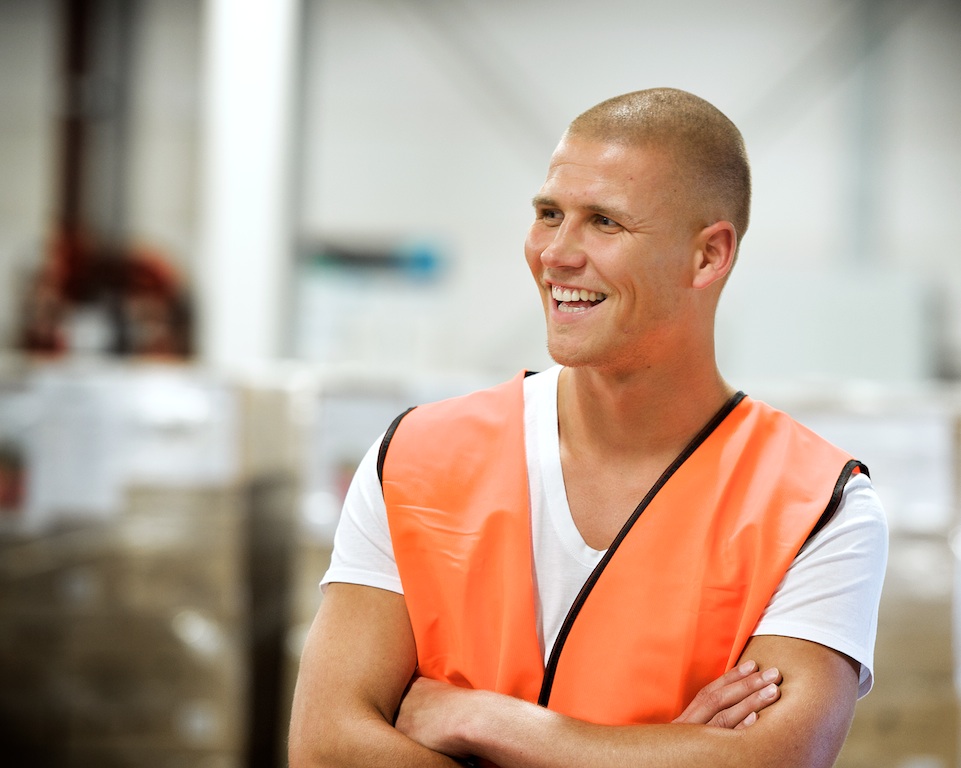
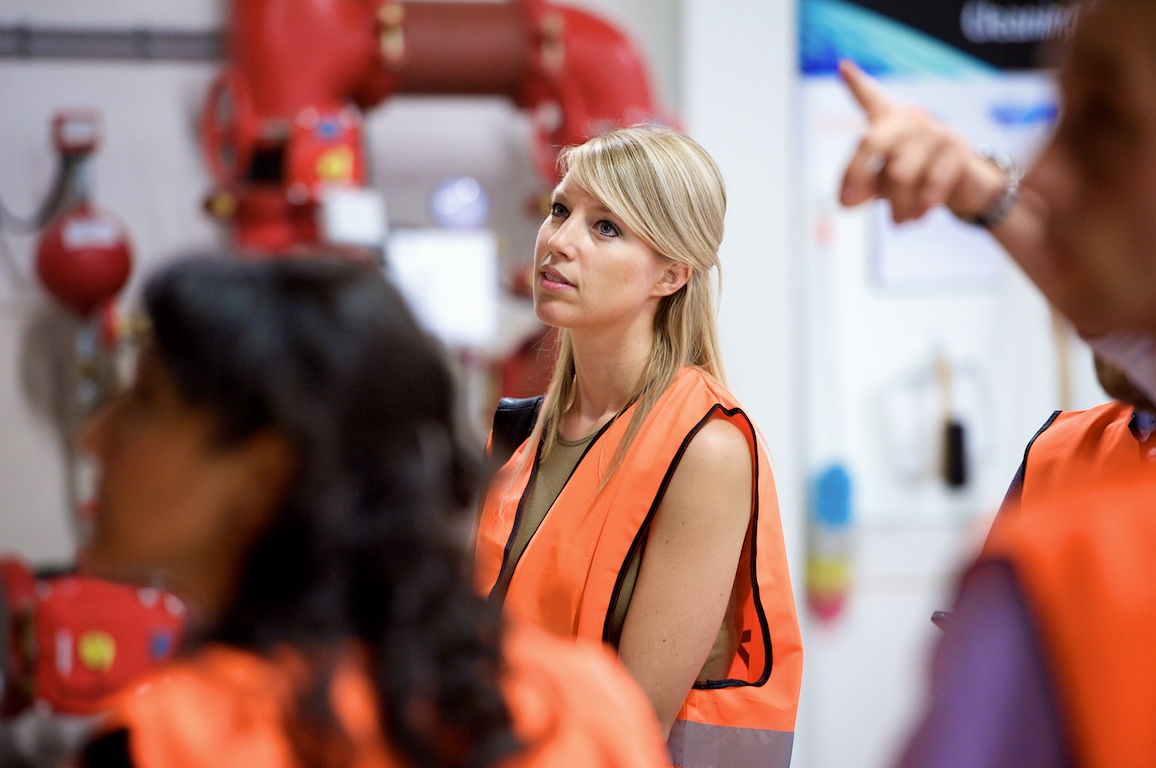
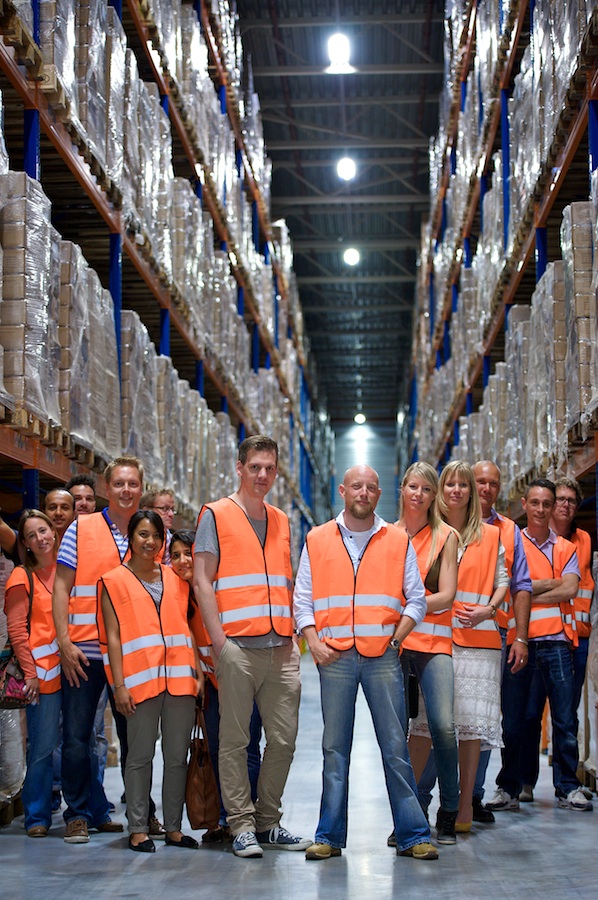
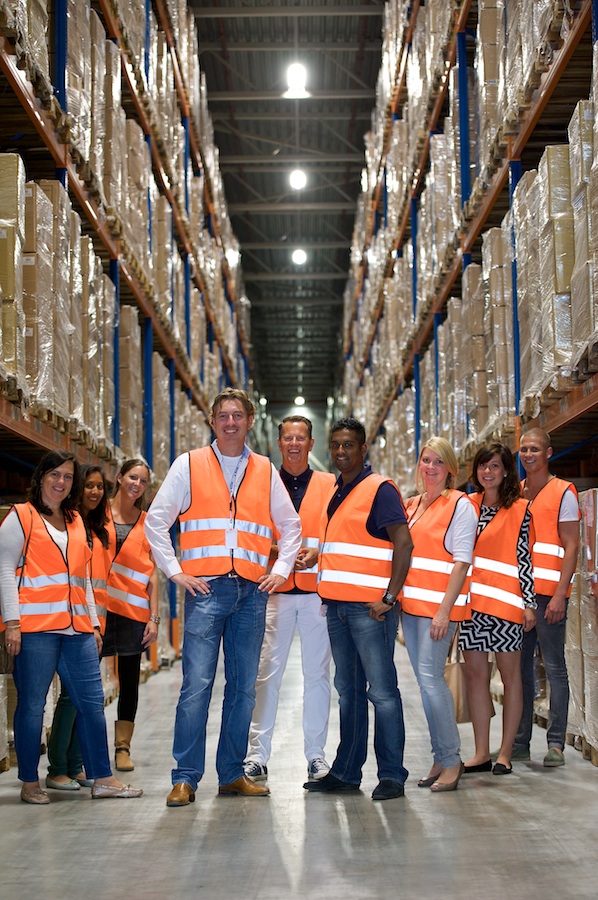
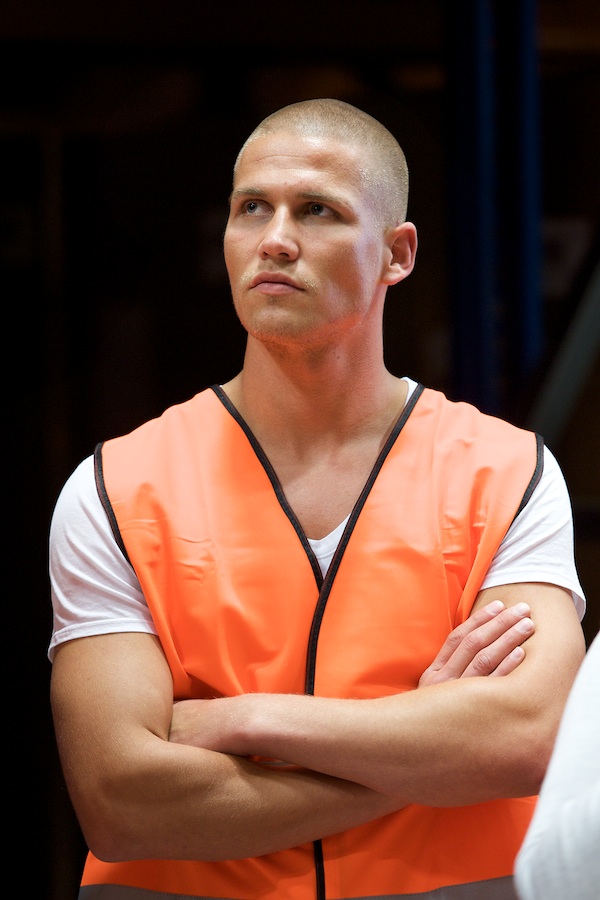
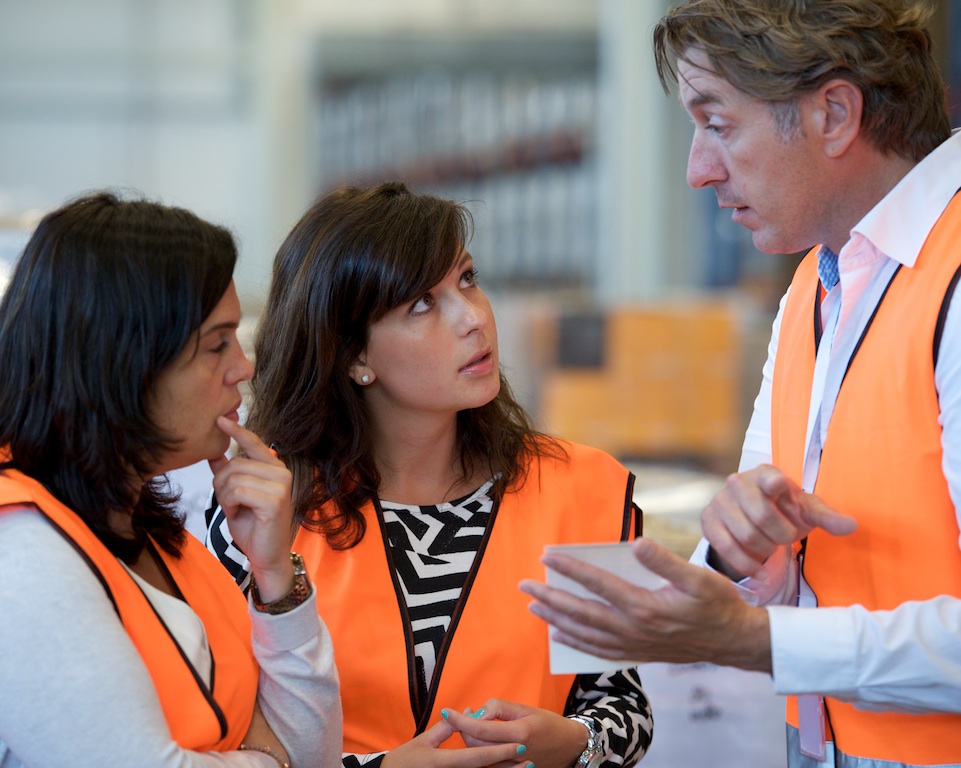
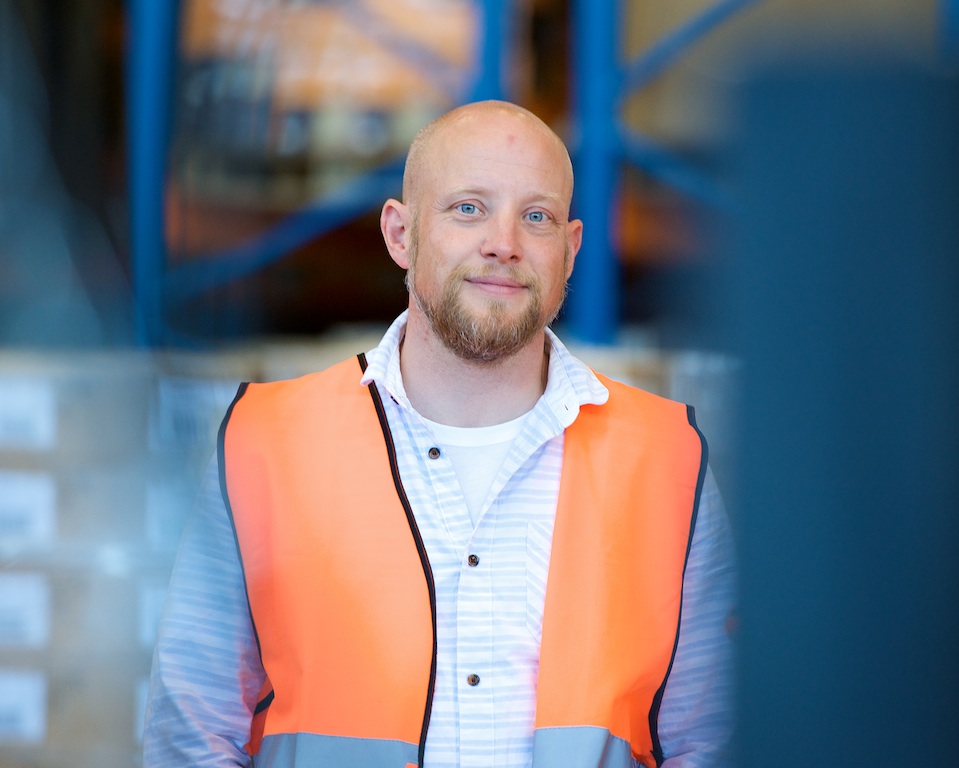
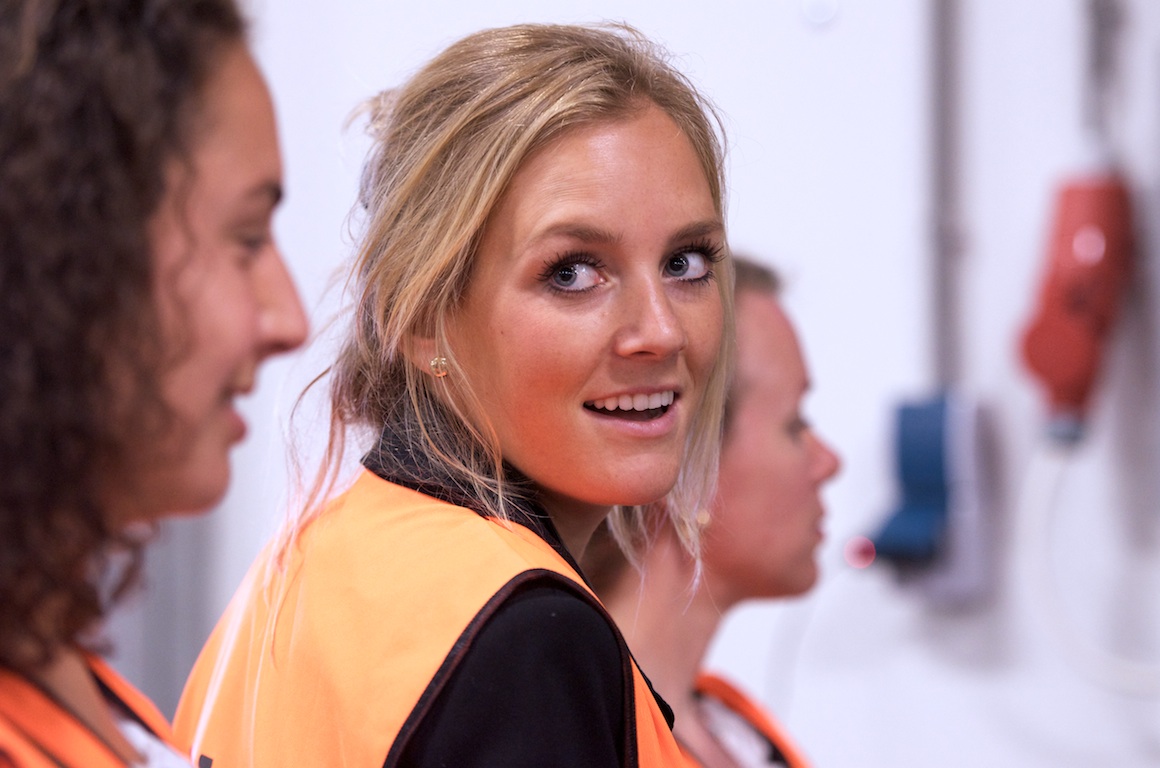
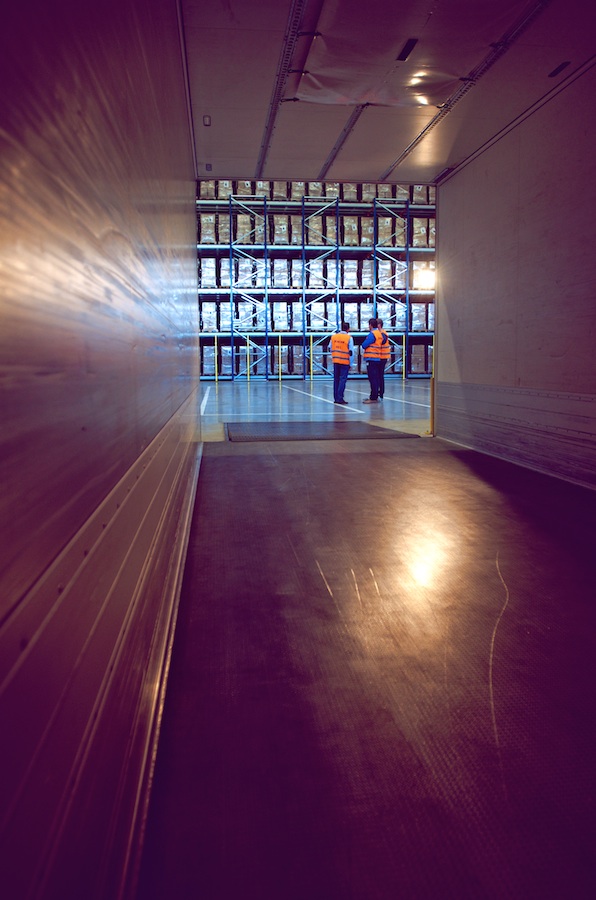
I recently had a Team Warehouse Shoot with one of my regular clients, but in an extremely irregular place. They wanted the shoot to cover their team in their warehouse. However it may seem, it was definitely a fun shoot.
Their wonderful team had assembled at the warehouse and the enthusiasm for the shoot was abundant. They talked me through the entire process of what they do there and showed me around. I can say with ease that they made this shoot so easy and exciting.
Shooting in a warehouse would be something I would do for a serious shoot since it is not the most joyful place. However, this team brightened the entire place up and after a point, it became so much more than just a warehouse.
I hope to have displayed the team’s enthusiasm and joy in these photos.
Photographing conferences, to most people, would be the simplest job for a photographer. However, having photographed a hell lot of conferences myself, I can tell you with certainty, they are not an easy task. Not to get great images anyways.
The unique thing about conference for me is that people at the conference, while technically “at work” are still on kind of a break. That brings out a unique front wherein people are serious because of the work but at the same time, they are very relaxed. I love capturing that aspect of a person.
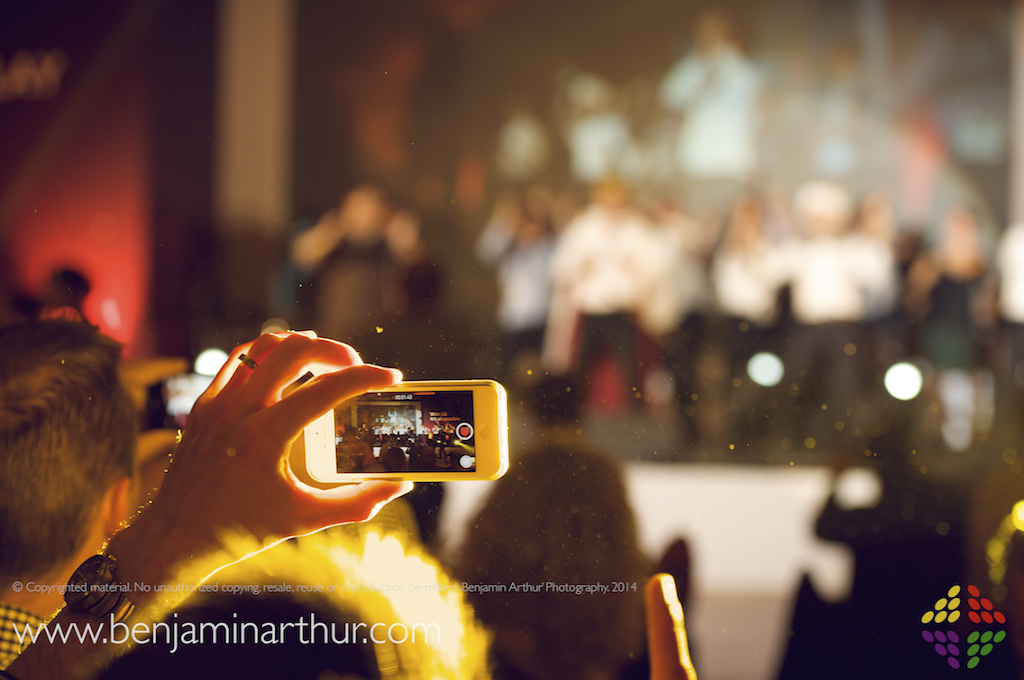
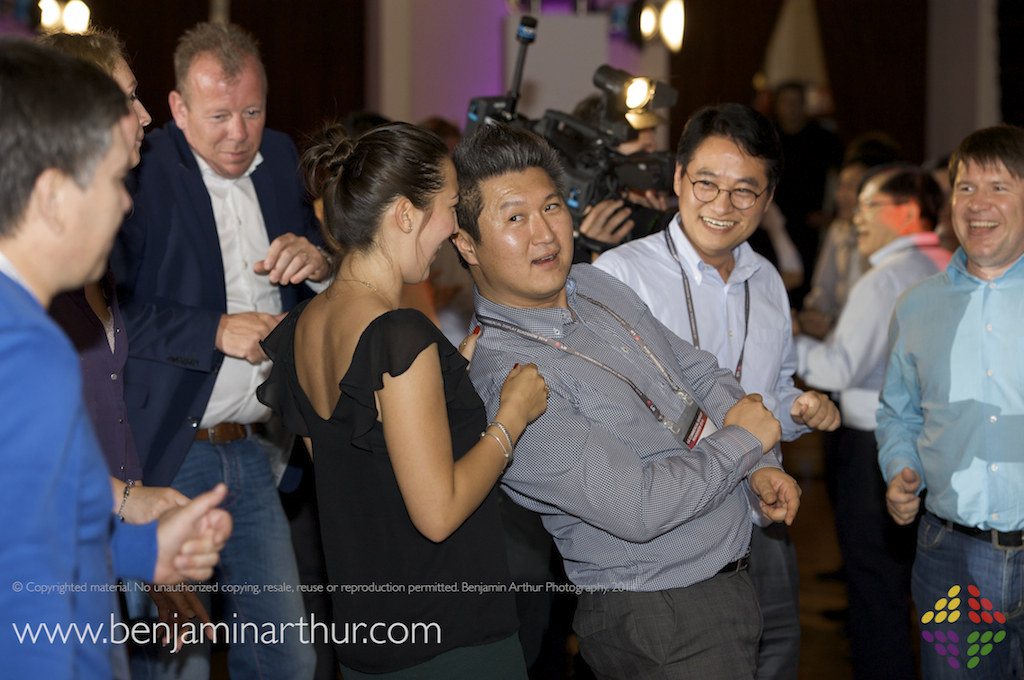
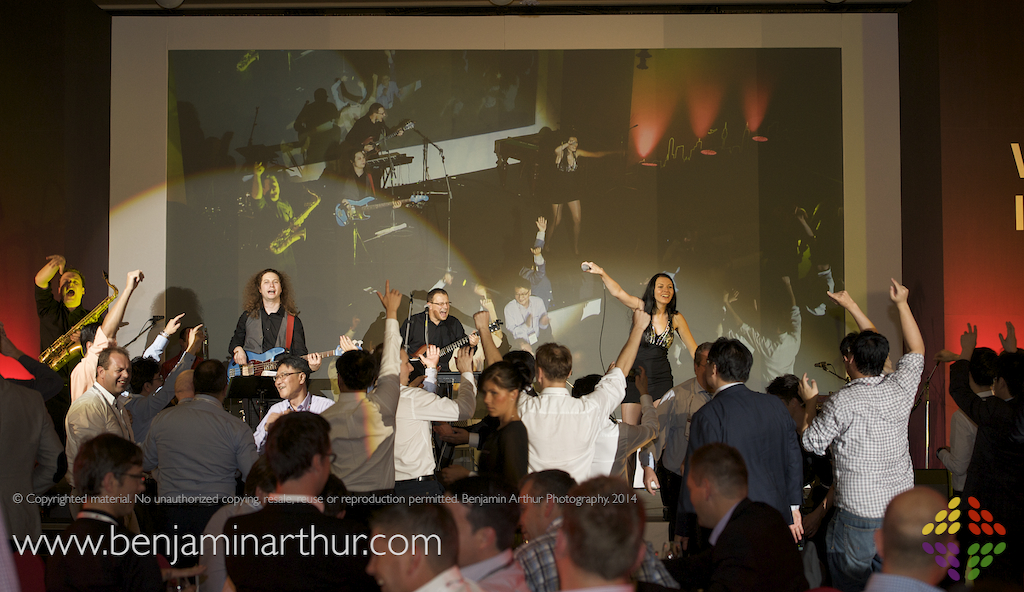
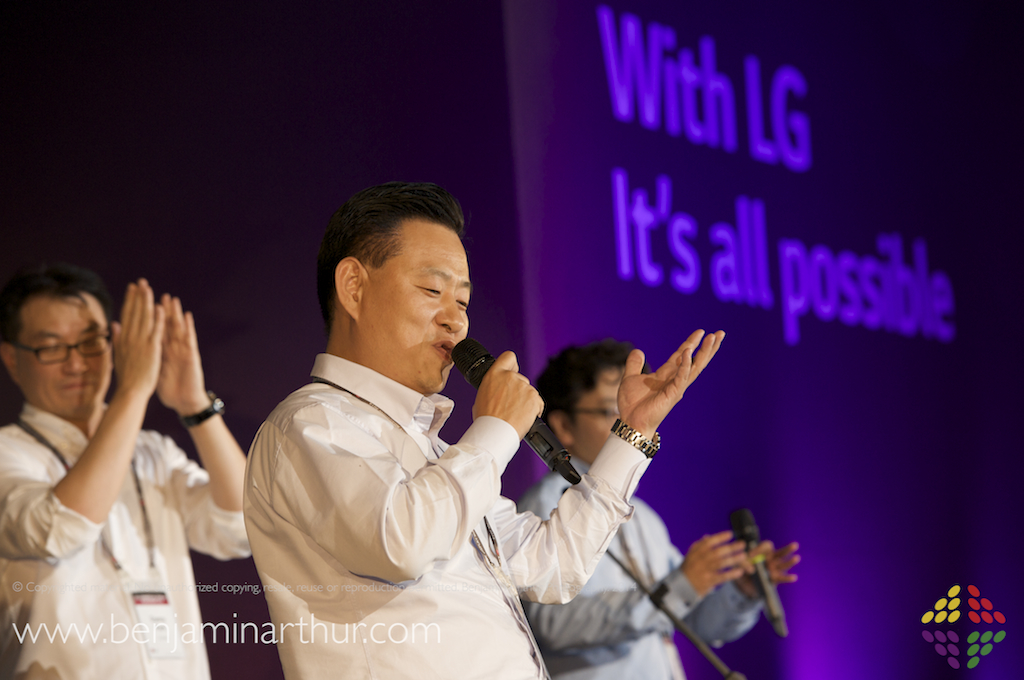
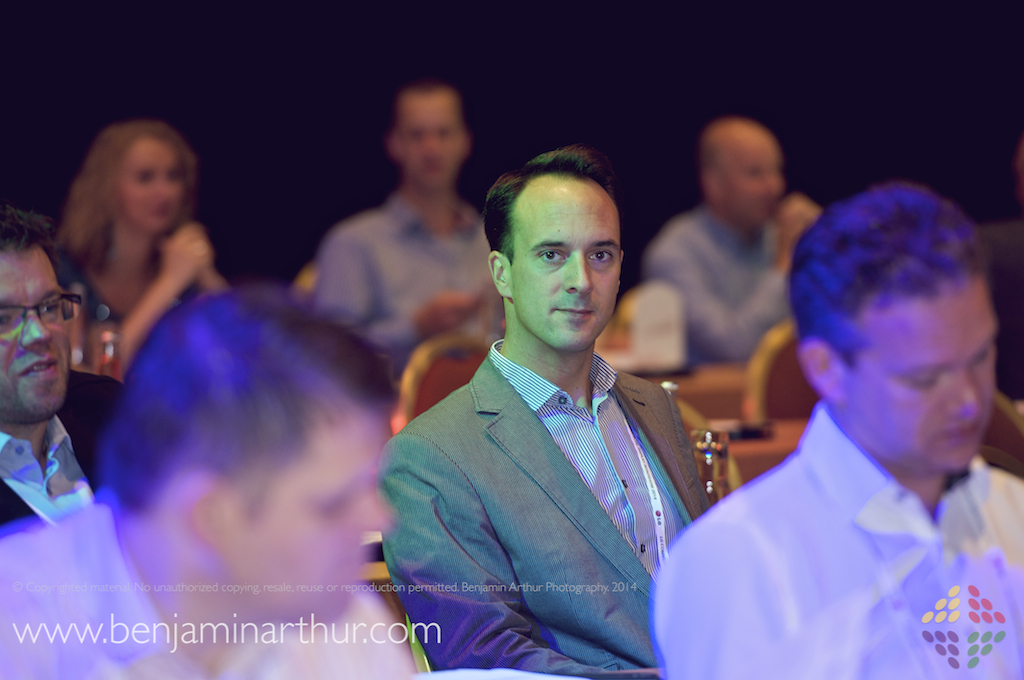
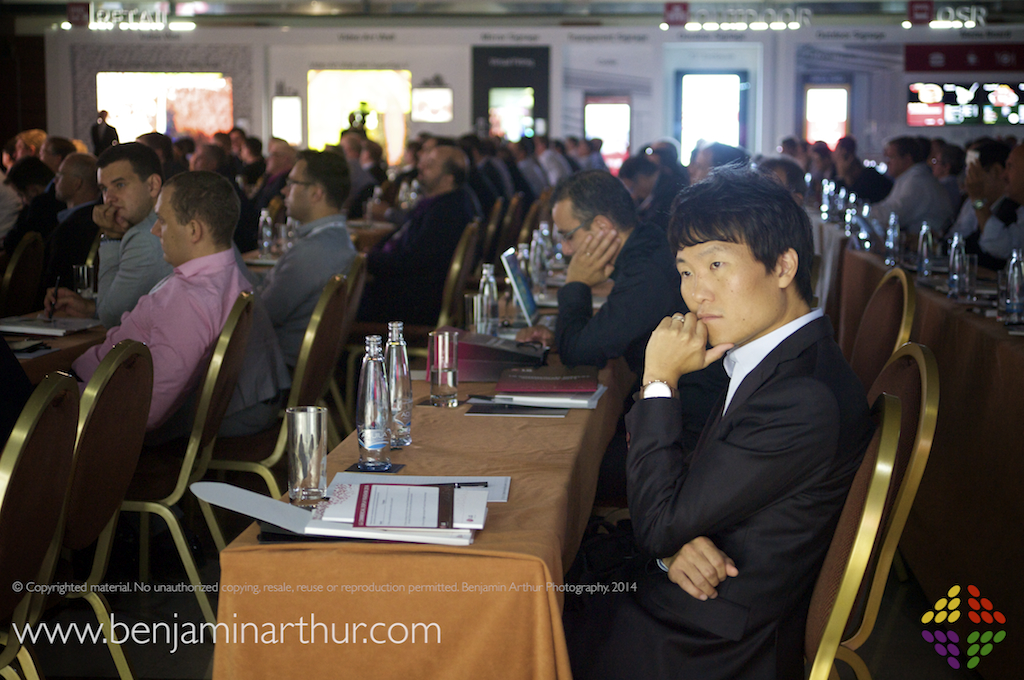
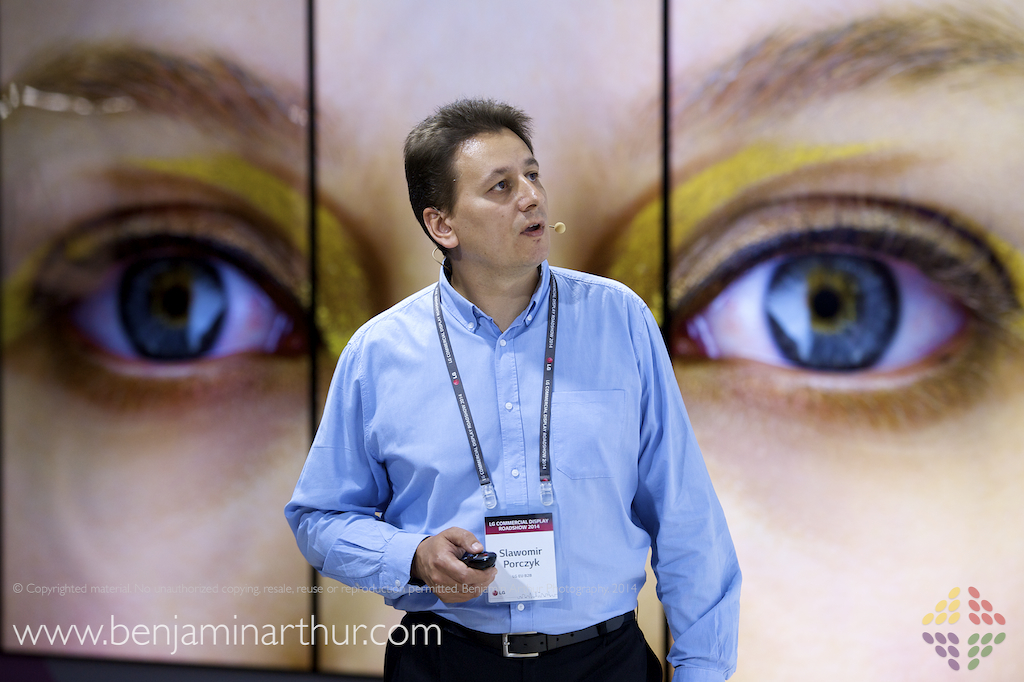
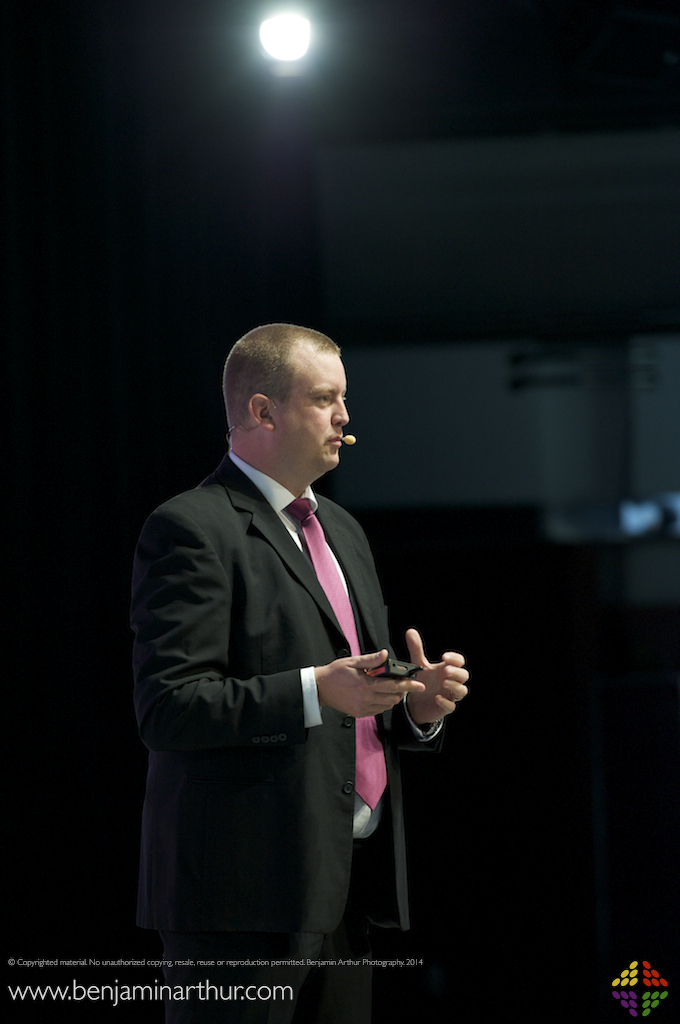
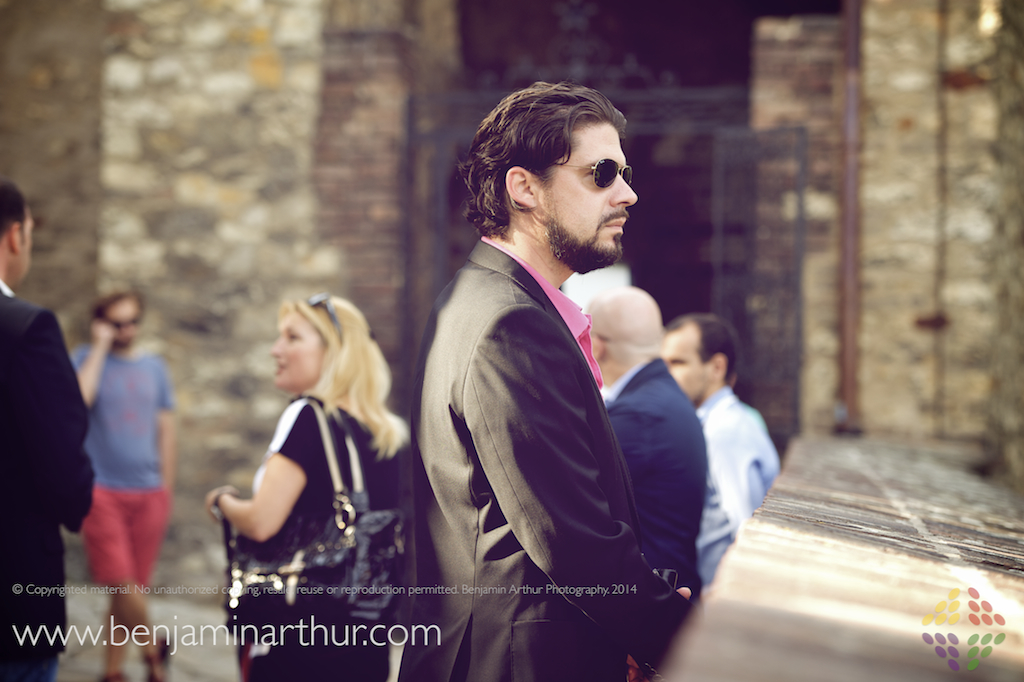
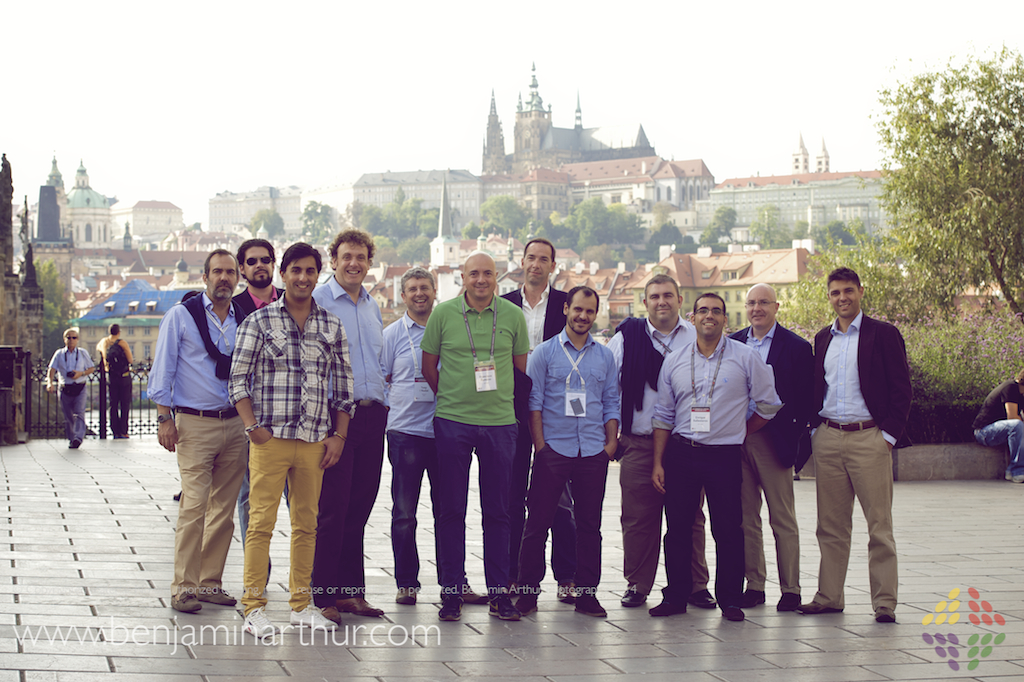
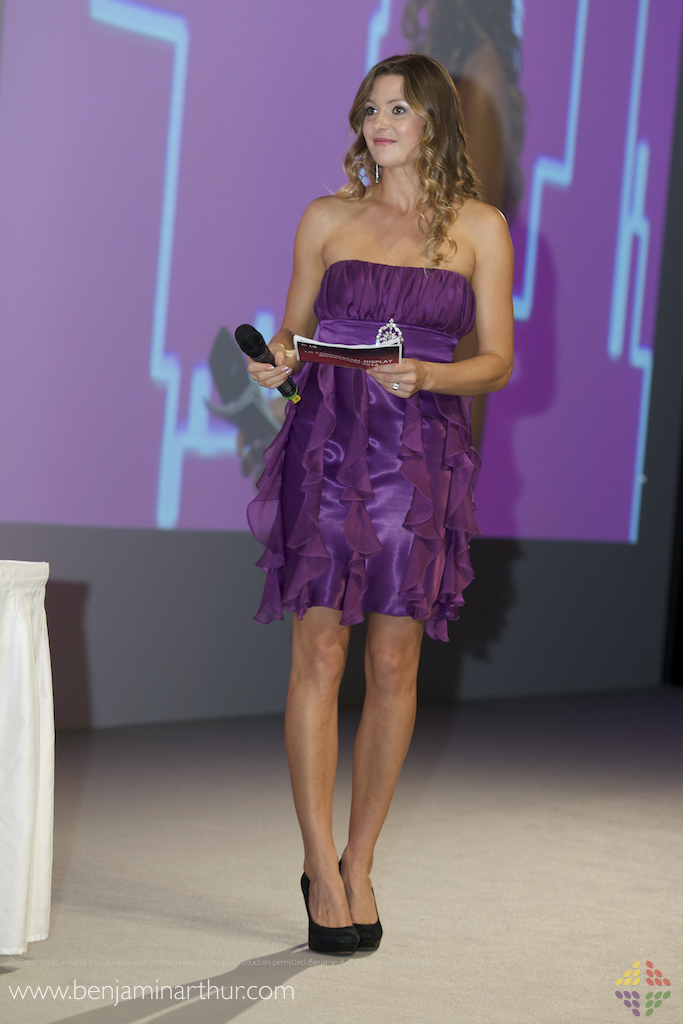
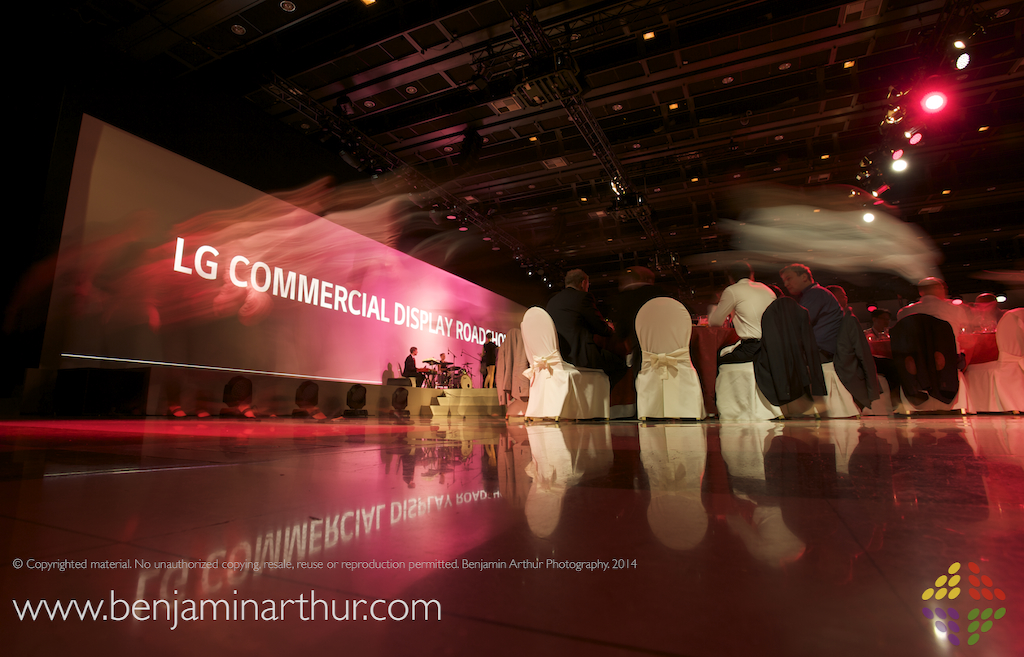
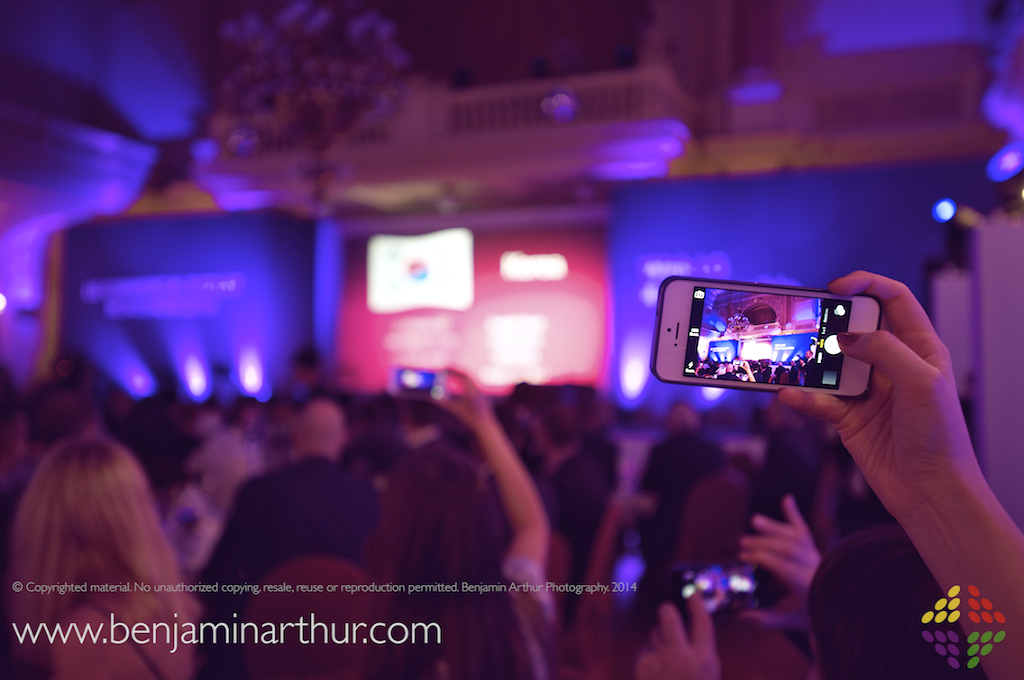
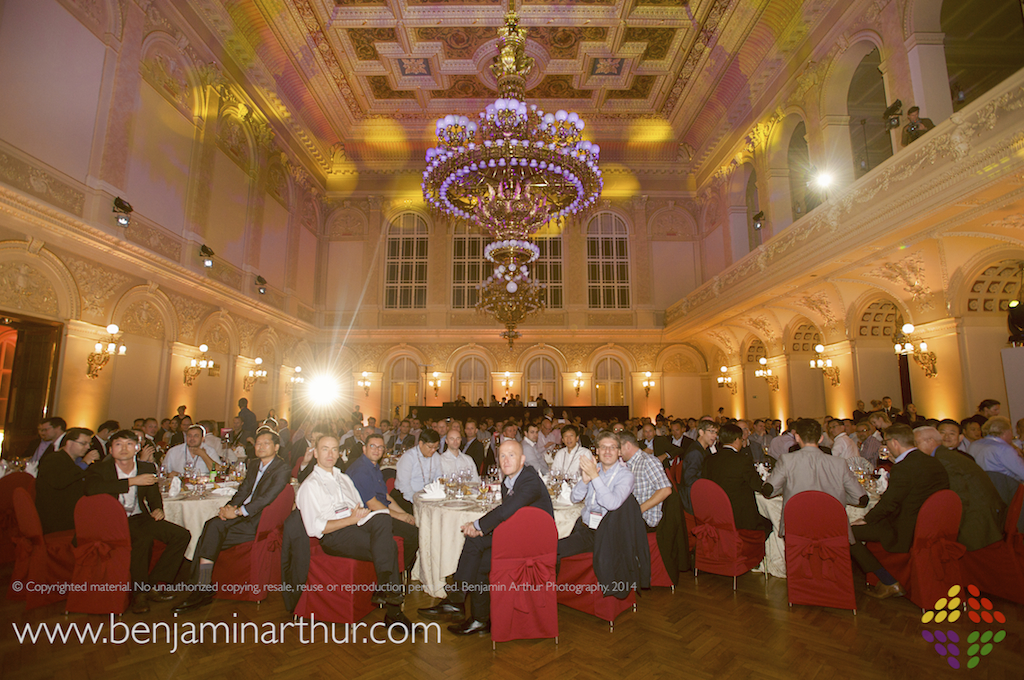
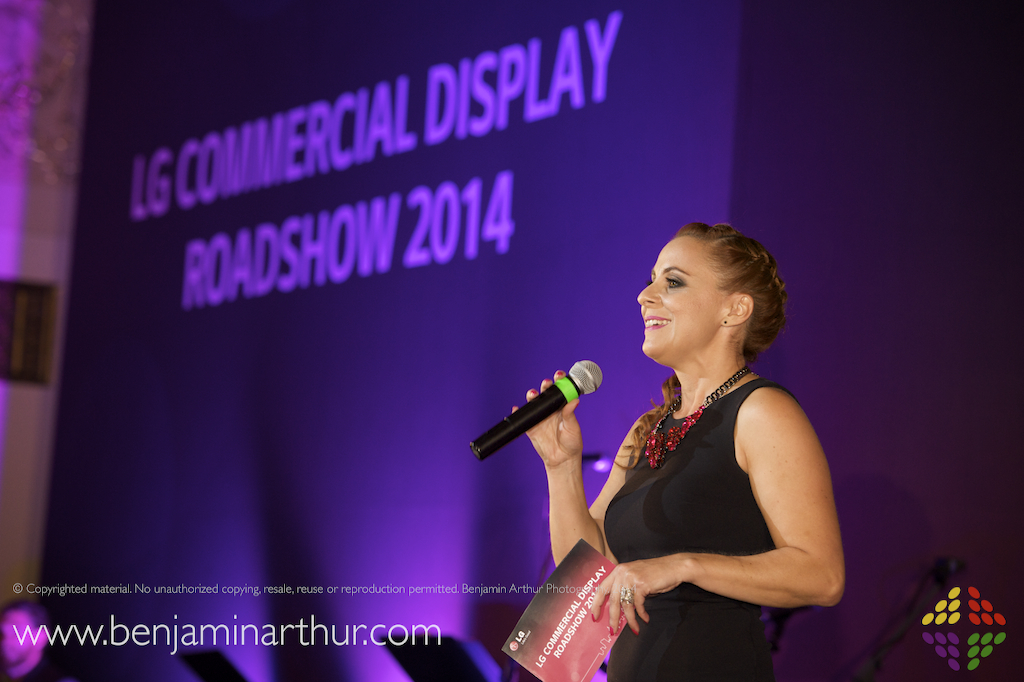
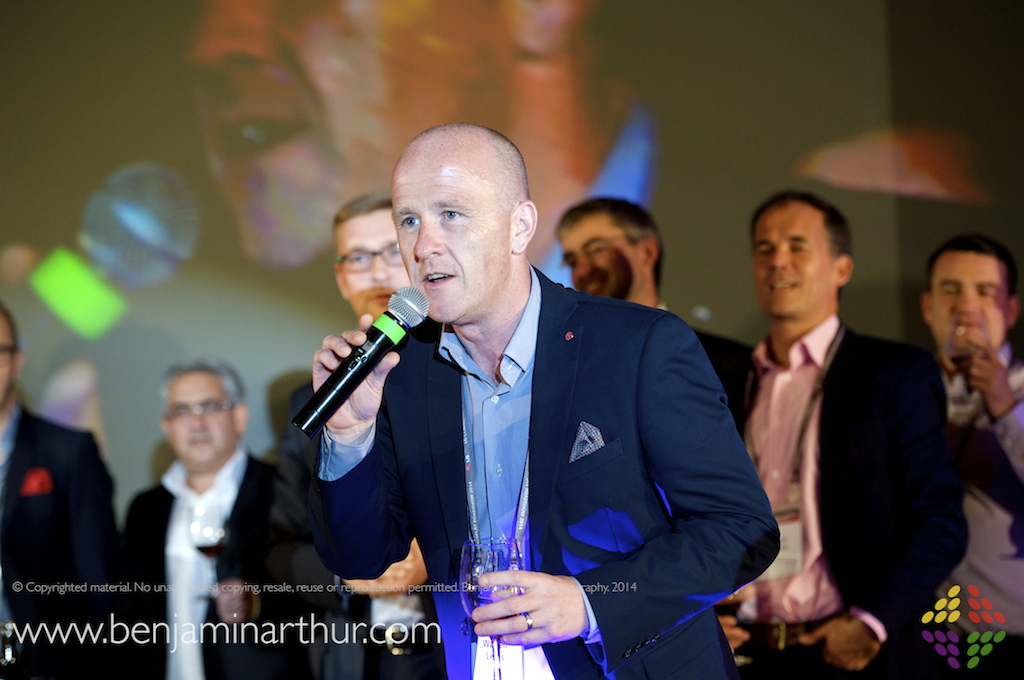
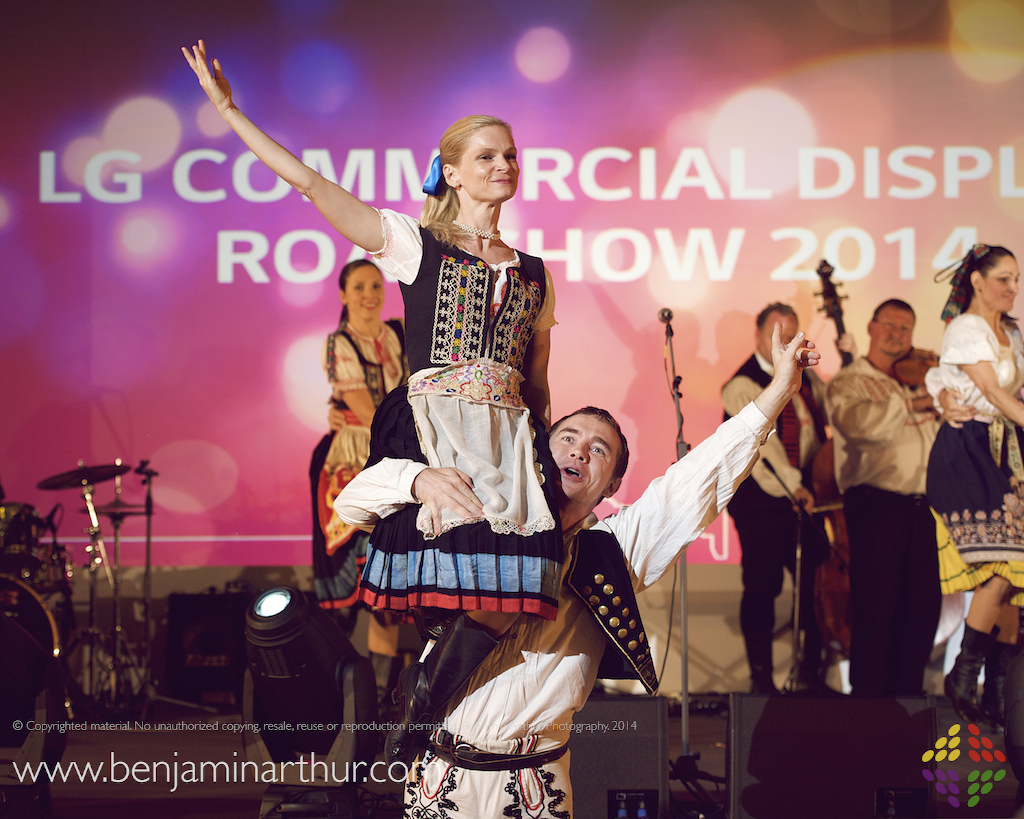
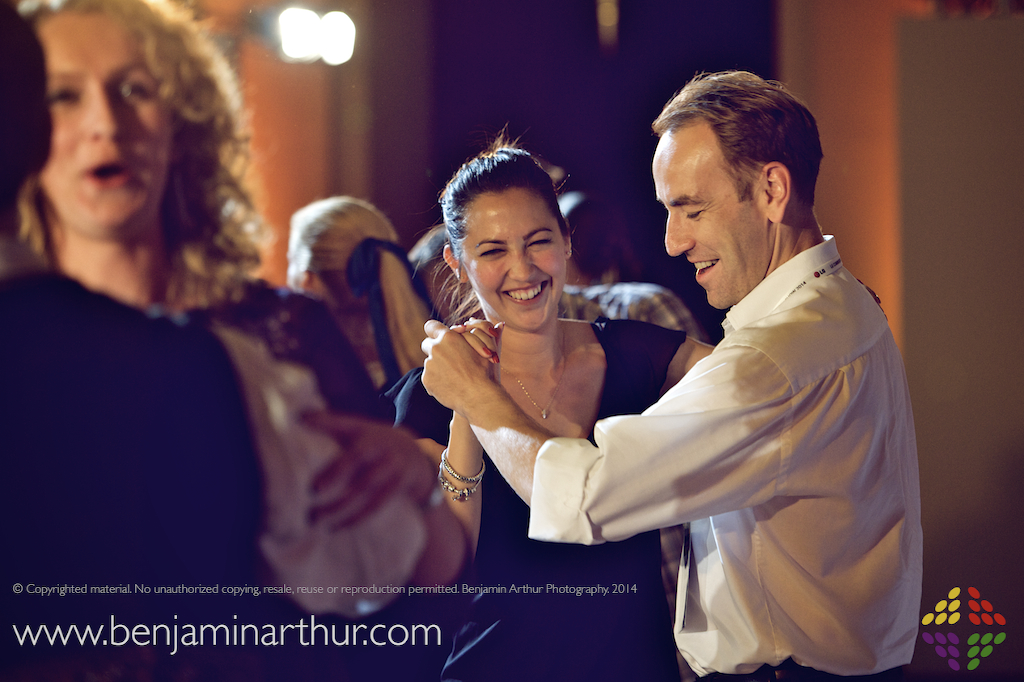
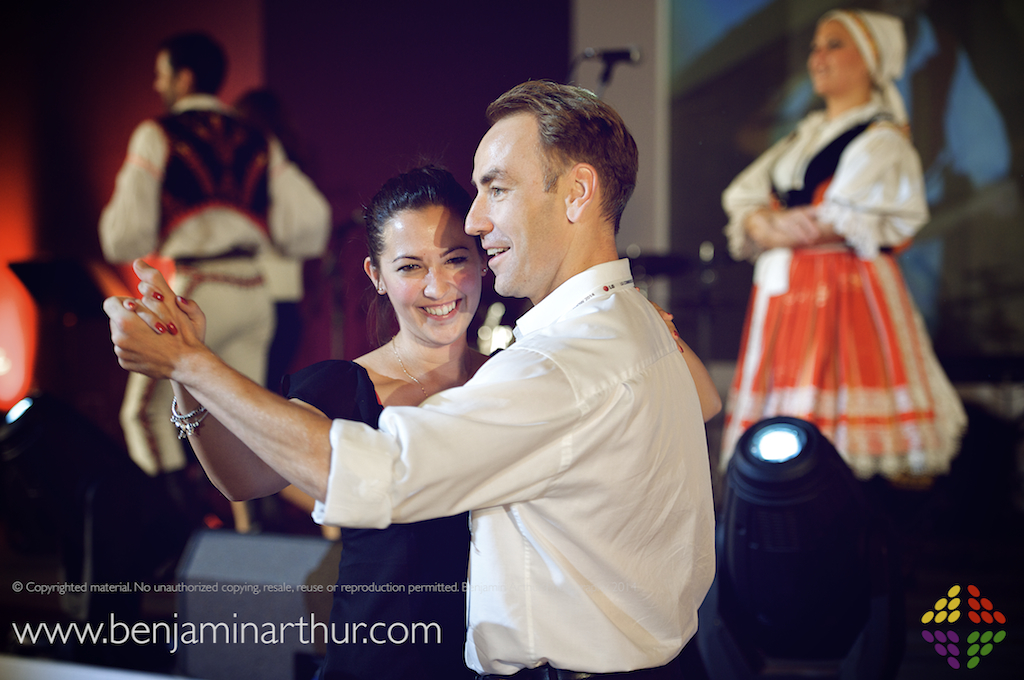
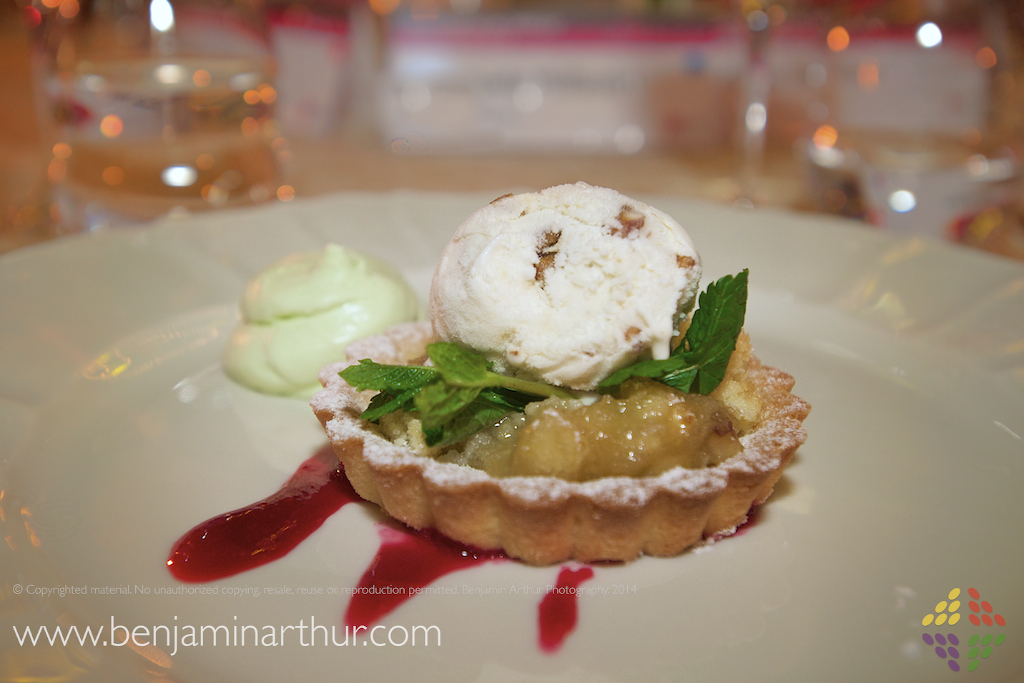
One of my recent shoots that stuck with me is the LG Commercial Display Roadshow held in Amsterdam. This is still easily one of the grandest conferences I have been to. The engaging discussions, the motivational talks, the dance performances, the food and the dancing was unparalled to anything I have seen. Like they say – ‘With LG its all possible’.
I had a fun time capturing some of these moments and I am glad I can share some of them with you. Here are some of the photos of the most magnanimous conference ever.
One of the things that I love about photography is that I get to experience and capture human emotions at their best. Naturally, family photography lets me do that in the best possible way. Since everyone is in their comfort zone with mostly loved ones around, they don’t pay as much attention to the photographer around them.
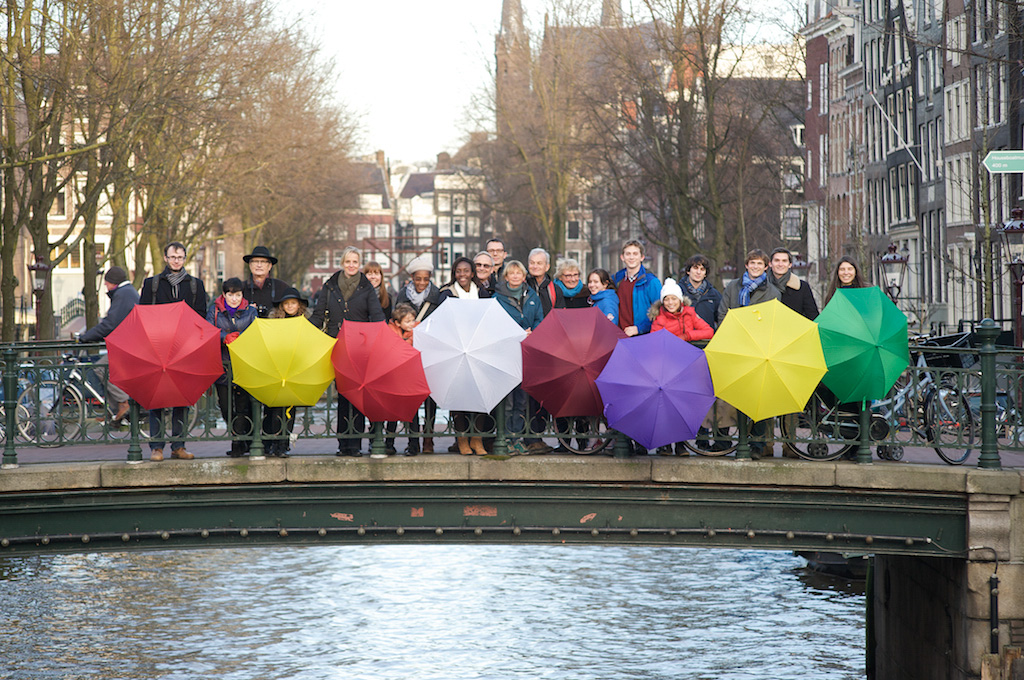
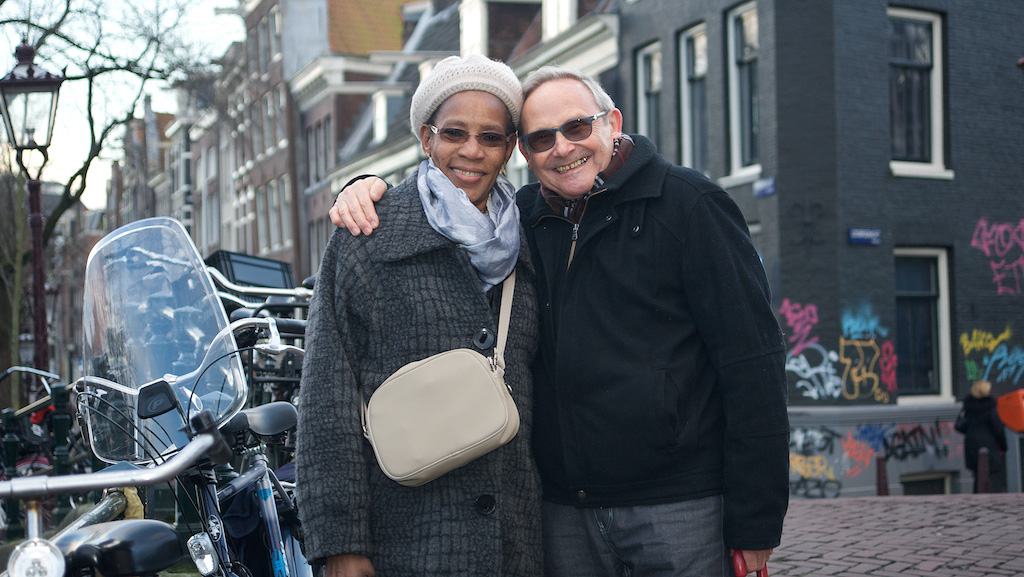
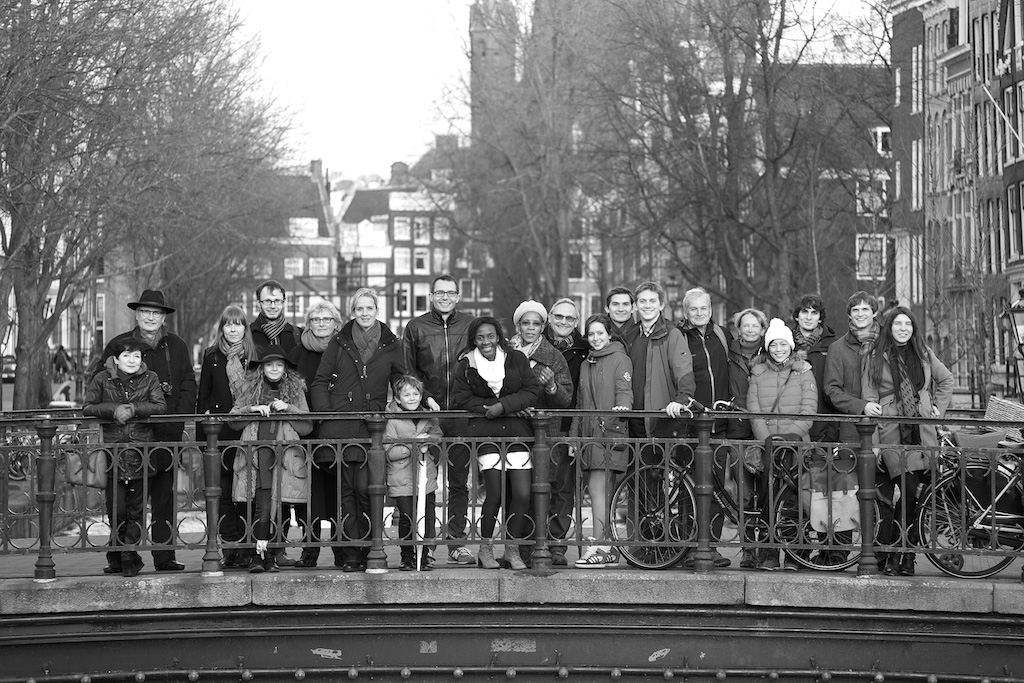
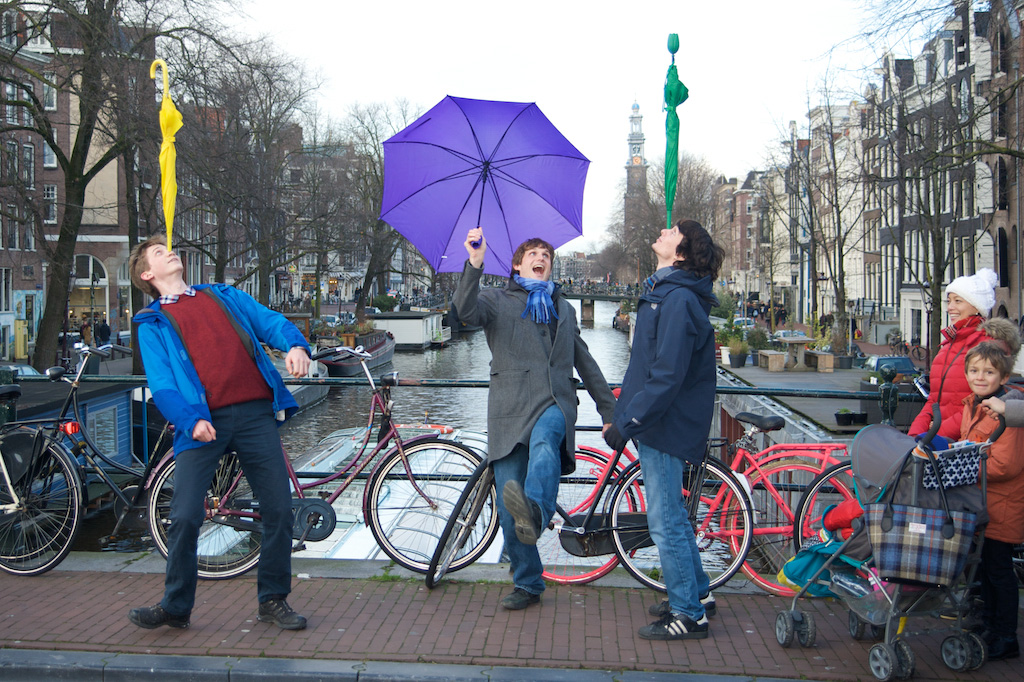
Living in Netherlands, I love going for family photography in Amsterdam. The city has a vibe that reflects on people immediately, and more so when you are with your family. Capturing a group or a family’s varied emotions and reactions, while walking around in the city, is one of my top 10 things to do in life.
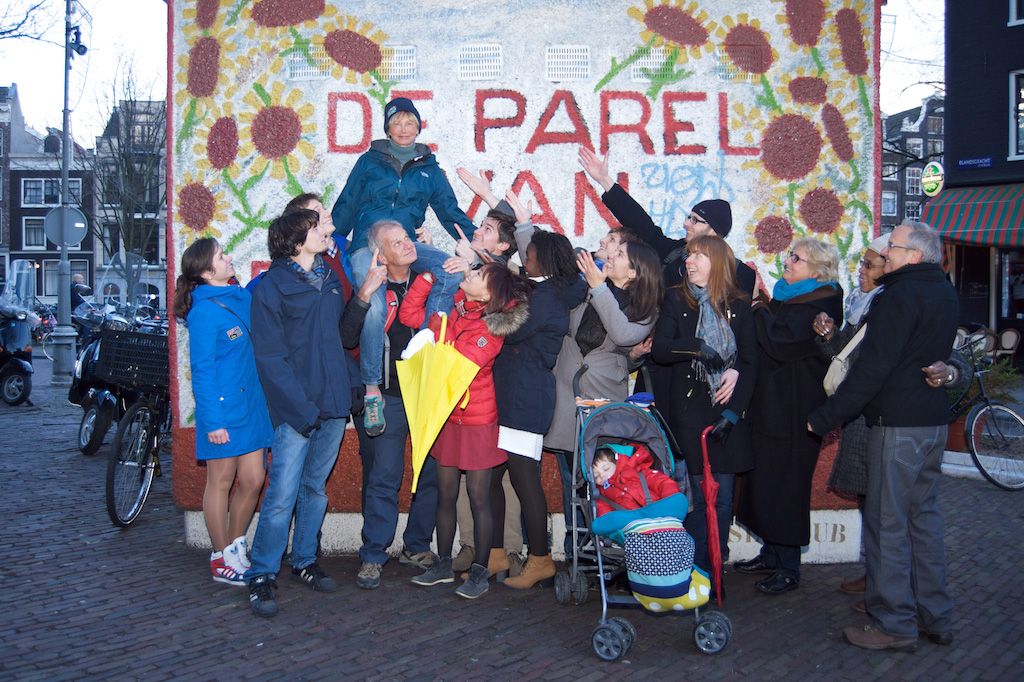
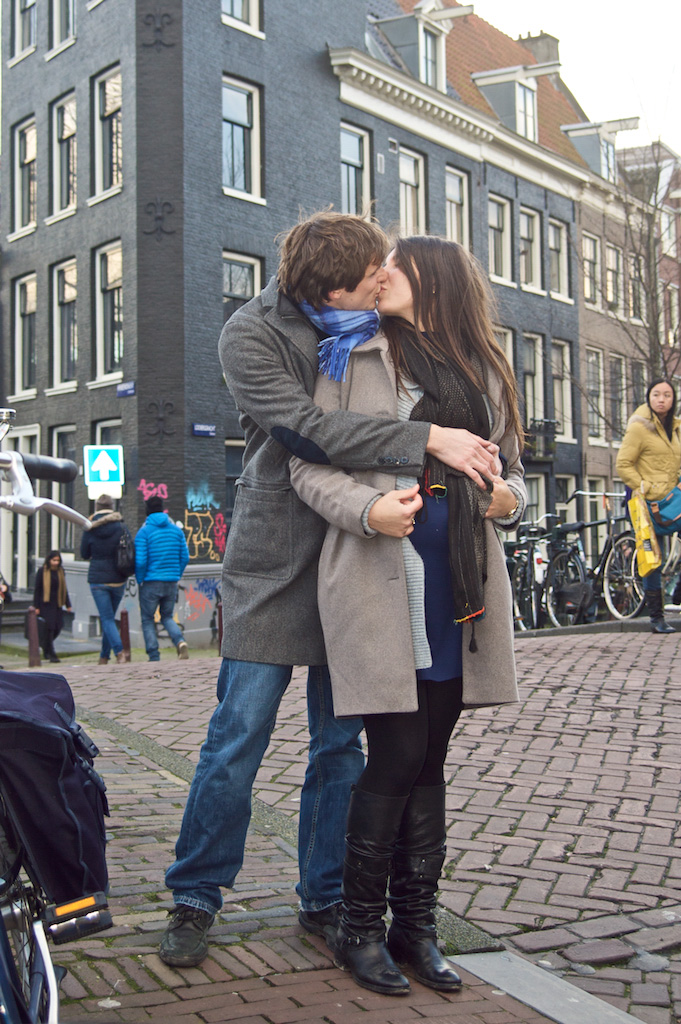
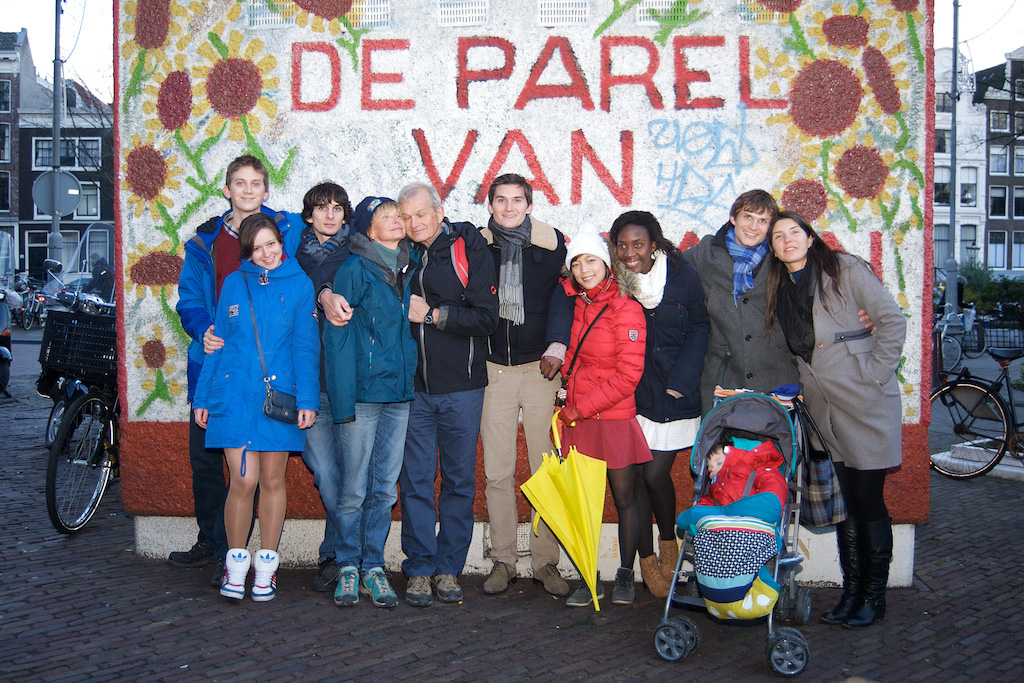
Last year, I got an assignment for family photography in Amsterdam. I was very happy about the job, but it became something special when I learnt of the event. The entire Laurent family had come to Amsterdam in the cold of the winter, from Switzerland, to celebrate their mother’s birthday. The entire family got out in the streets, in the freezing cold to capture the beautiful moments, and that made the entire interaction beautiful.
Here are some of my favourite shots from the session.